
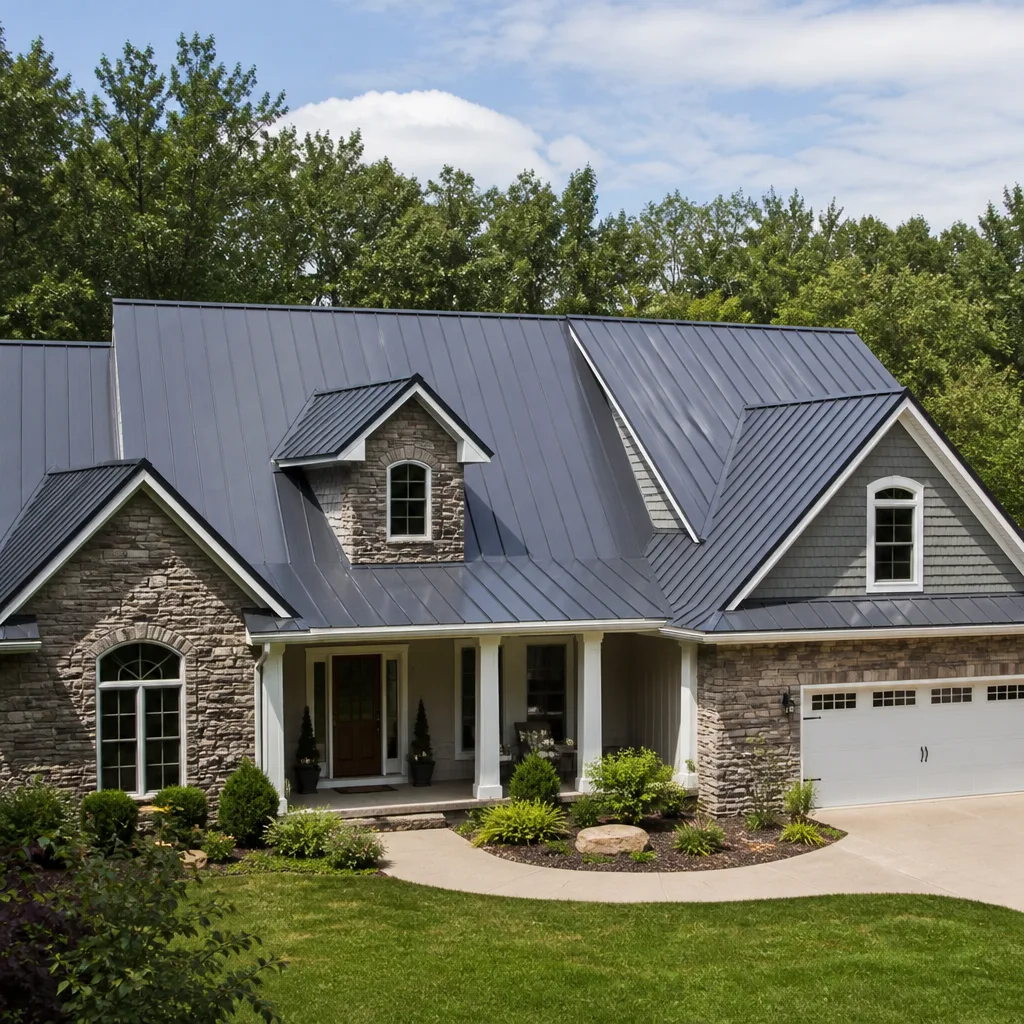
 Metal roofing
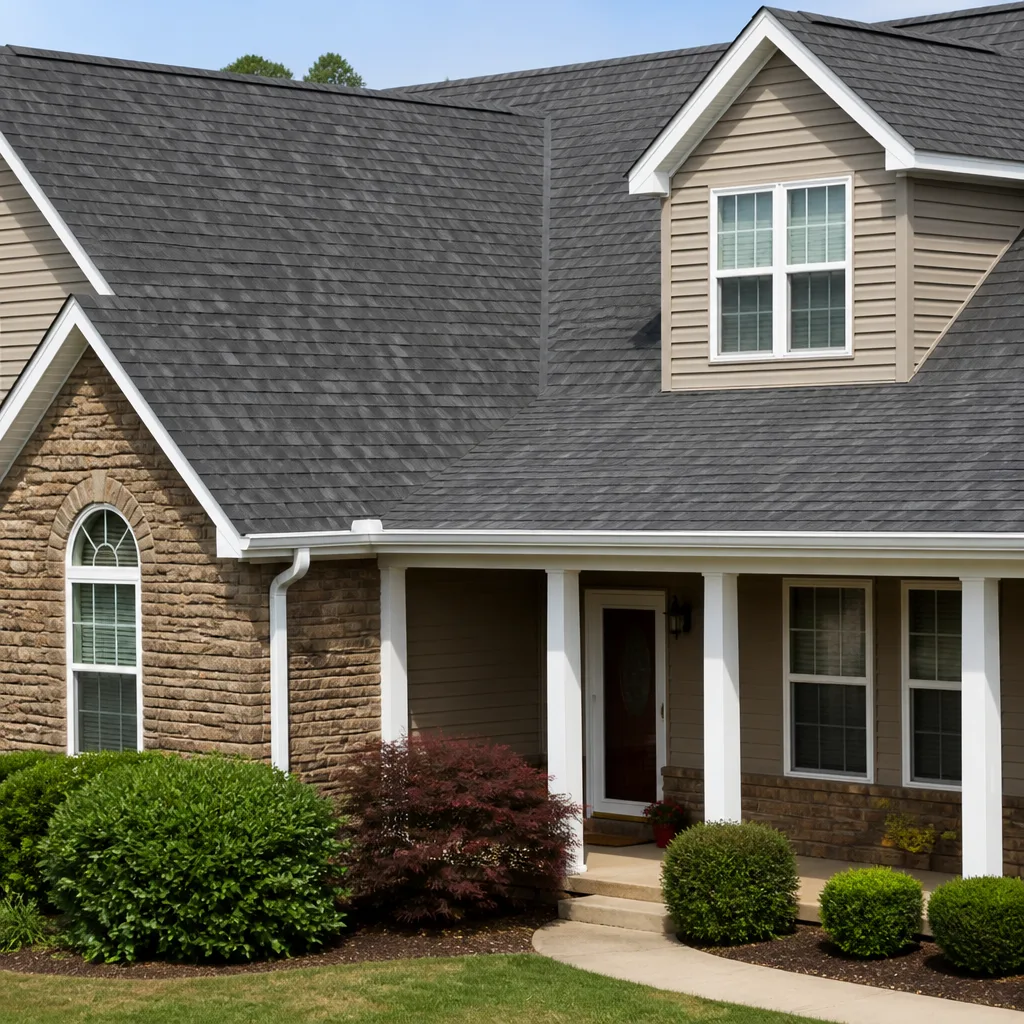 Architectural shingles
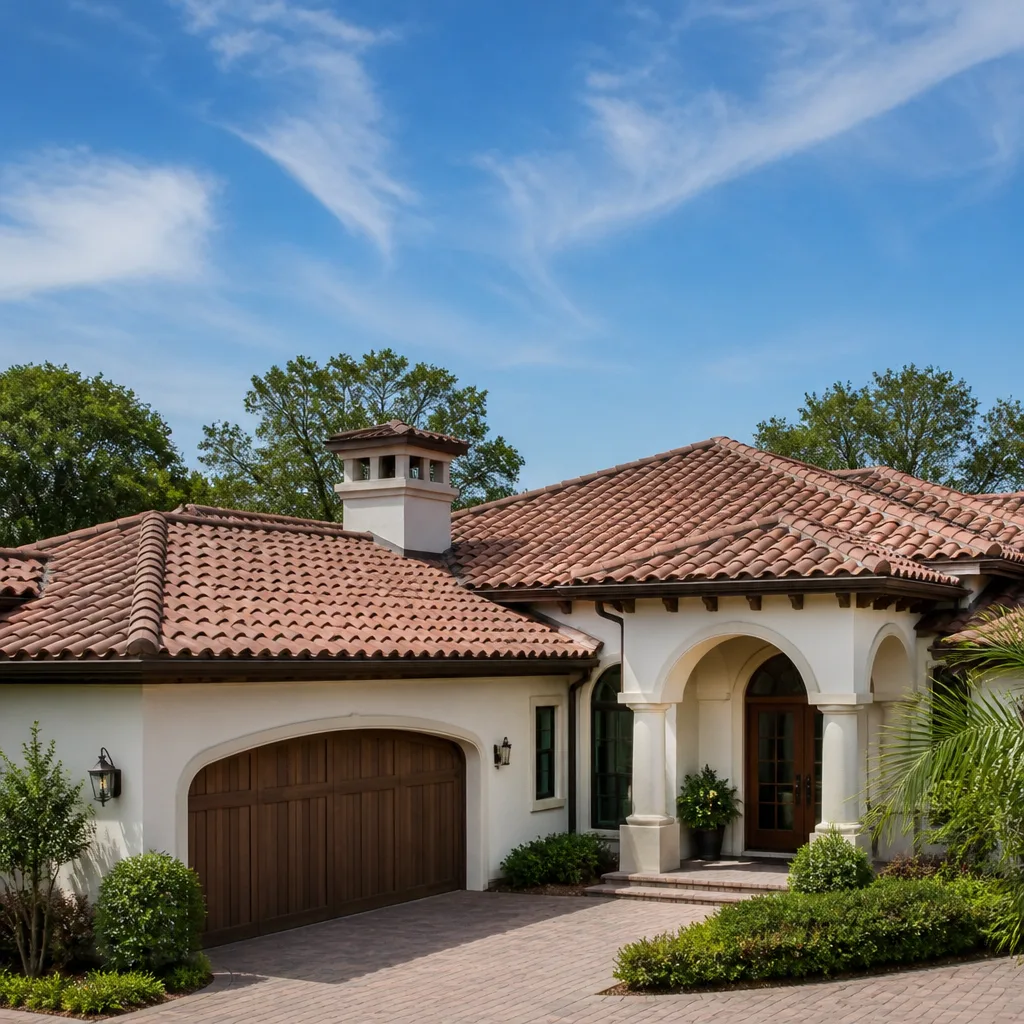 Tile roofing
 GAF
GAF Owens Corning
 Flat & low-slope
Free roof inspection with deck photos before we talk money - GAF and Owens Corning certified installation
Tamko Underlayment & Deck Repair: The Woodland Hills Owner’s Guide
If you’re searching for Tamko underlayment or deck repair in Woodland Hills, you’ve likely got water getting somewhere it shouldn’t be, or a roof deck that’s starting to feel soft underfoot. Woodland Hills homeowners typically pay between $1,800 and $4,600 for a Tamko-compatible underlayment replacement or deck repair, depending on how much of the deck has gone bad and how many layers need to come off. Most jobs in Woodland Hills can be quoted, scheduled, and completed within a week, and we carry Tamko and Tamko-compatible materials on our trucks for the most common repair scenarios. We’re Crestview Roofing Co Woodland Hills, and we’re independent of Tamko – we just work with their materials because they hold up to the Valley heat better than most.
Here’s the usual picture: a homeowner calls us after a winter rain because they spotted a ceiling stain, or they had a different roofer up there who told them the felt is “shot” and the deck is “spongy” but never explained what that means or what it costs. The good news is that underlayment and deck damage is fixable, usually without a full roof replacement. The smarter news is that you now know exactly what the problem is called, and this page tells you what it should cost in Woodland Hills before you make a single call.
Which Tamko Models This Applies To
Tamko makes a few different underlayment lines, and the one you need depends on what’s already on your roof and what your roofer recommends for the San Fernando Valley climate. The big three are the Tamko TW Metal and Tile Underlayment (a reinforced felt for metal and tile roofs), the Tamko Apex Synthetic Underlayment (a lighter, tear-resistant synthetic), and the more traditional Tamko Organic Felt in 15 and 30 pound weights. If your roof is a composition shingle roof, you’re likely looking at either the organic felt or a synthetic, and most Woodland Hills homes built before 1995 are on organic felt that’s now 20 to 30 years old and past its service life.
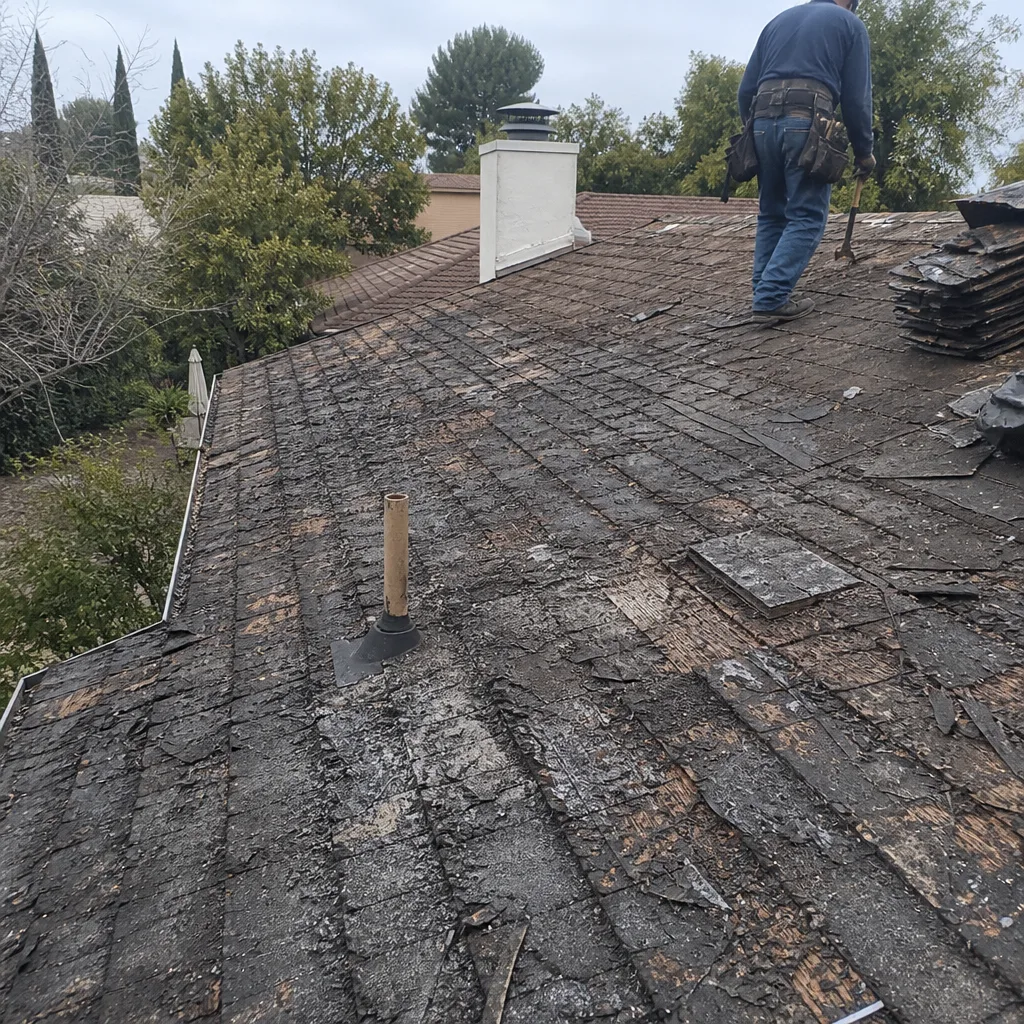
Identifying what’s currently on your deck is not hard: a roofer can take a quick look at an edge or a vent flash opening and tell you in about a minute. If it’s black, papery, and crumbles when you touch it, it’s organic felt. If it’s a plastic-looking, grid-patterned sheet, it’s synthetic. The compatibility gotcha with Tamko specifically is that their metal and tile underlayments are designed for mechanical fastening over solid decking, not as a primary underlayment under composition shingle. Put a TW underlayment under asphalt shingle and you’ll get condensation issues because the product doesn’t breathe the same way. That’s exactly the kind of detail that matters, and why mixing random underlayments is the most common cause of repeat deck problems we see in Woodland Hills.
For decking, Tamko’s system works with solid plywood decking (minimum 15/32″) or OSB (oriented strand board) at the same minimum thickness. Most local homes have either older 1×6 or 1×8 plank decking or newer plywood, and the swap decision really comes down to that. There are aftermarket underlayment equivalents from GAF, Owens Corning, and CertainTeed that we stock and install as alternatives when the homeowner wants to match a different shingle brand – and for deck repair, we use plywood or OSB meeting Tamko’s minimum spec, not “whatever’s on the shelf.” You can check your current deck from the attic side: if you can see daylight through the board gaps, rot, or swollen edges at the nails, it’s time for a deck patch or replacement before any underlayment goes on.
Styles & brands we work with
Signs Your Tamko Underlayment & Deck Repair Is Failing
- Water stains on the ceiling or upper walls. This is almost always the underlayment allowing water past the shingles, or a deck spot that’s saturated and wicking water into the house. By the time a stain shows, the deck underneath usually needs a patch.
- Shingles lifting or blowing off along the eaves and rake edges. The underlayment is the backup layer that holds water out when shingles fail, and if it’s dried out or torn at the edges, wind-driven rain gets under fast. In Woodland Hills, the warm days and cooler nights cause metal roofs and decking to expand and contract more than coastal areas, which accelerates this edge failure.
- A soft or bouncy feeling when walking the roof. That’s a deck problem, not a shingle problem. Plywood delaminates after enough moisture cycles, and older plank decking rots at the nails. If you can feel a spot give under your foot, the deck is compromised and replacing only the shingles on top won’t fix it.
- Granules from the underside of the shingles collecting in the gutters, with dark staining around the roof penetrations. This tells you water is getting under the shingle layer, sitting between the shingle and the underlayment, and washing away the shingle’s underside. The underlayment has become the only real barrier, and it’s failing.
- Musty attic smell or visible mold on the underside of the roof decking near vents. That’s trapped moisture that never properly drained because the underlayment or decking is holding it instead of shedding it. In our dry summers, this smell often disappears once everything bakes out – then comes right back after the first good rain.
See the difference
 Before
 After
After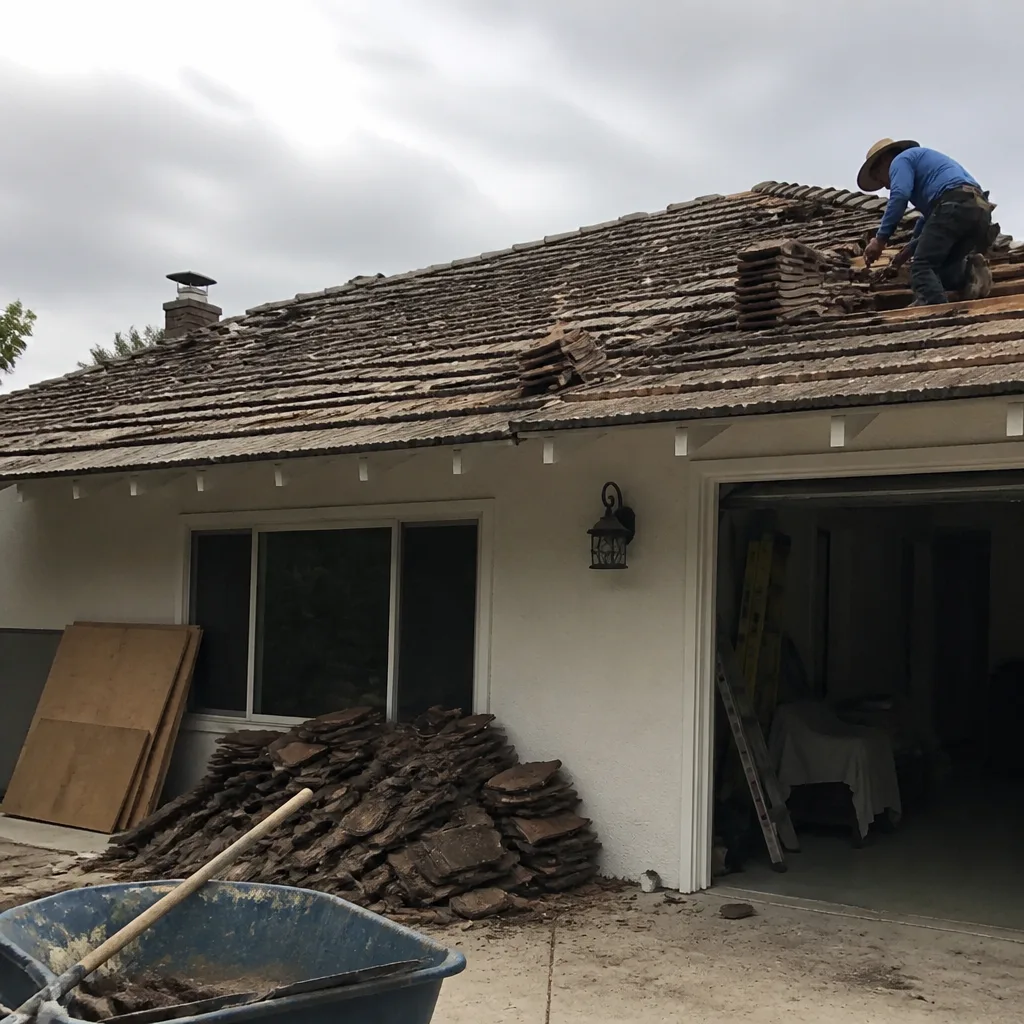 Before
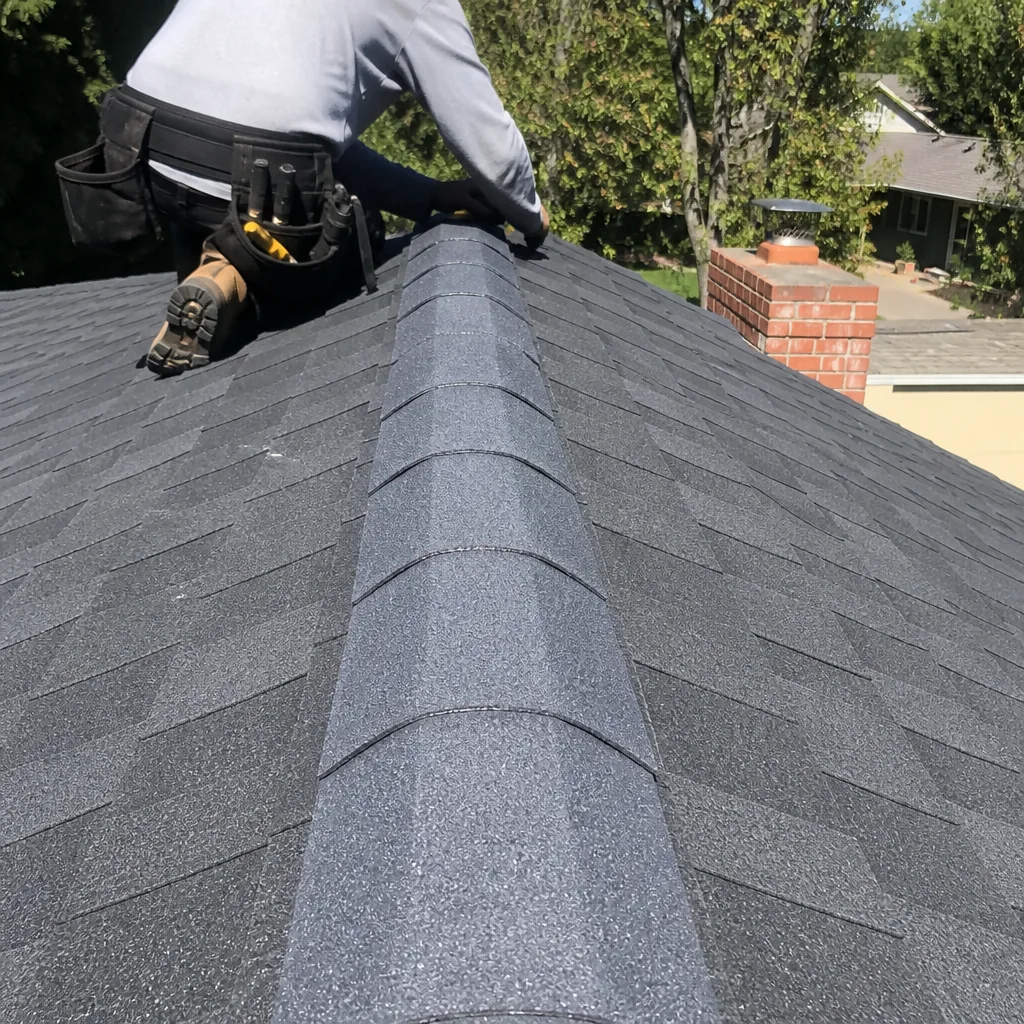 After
After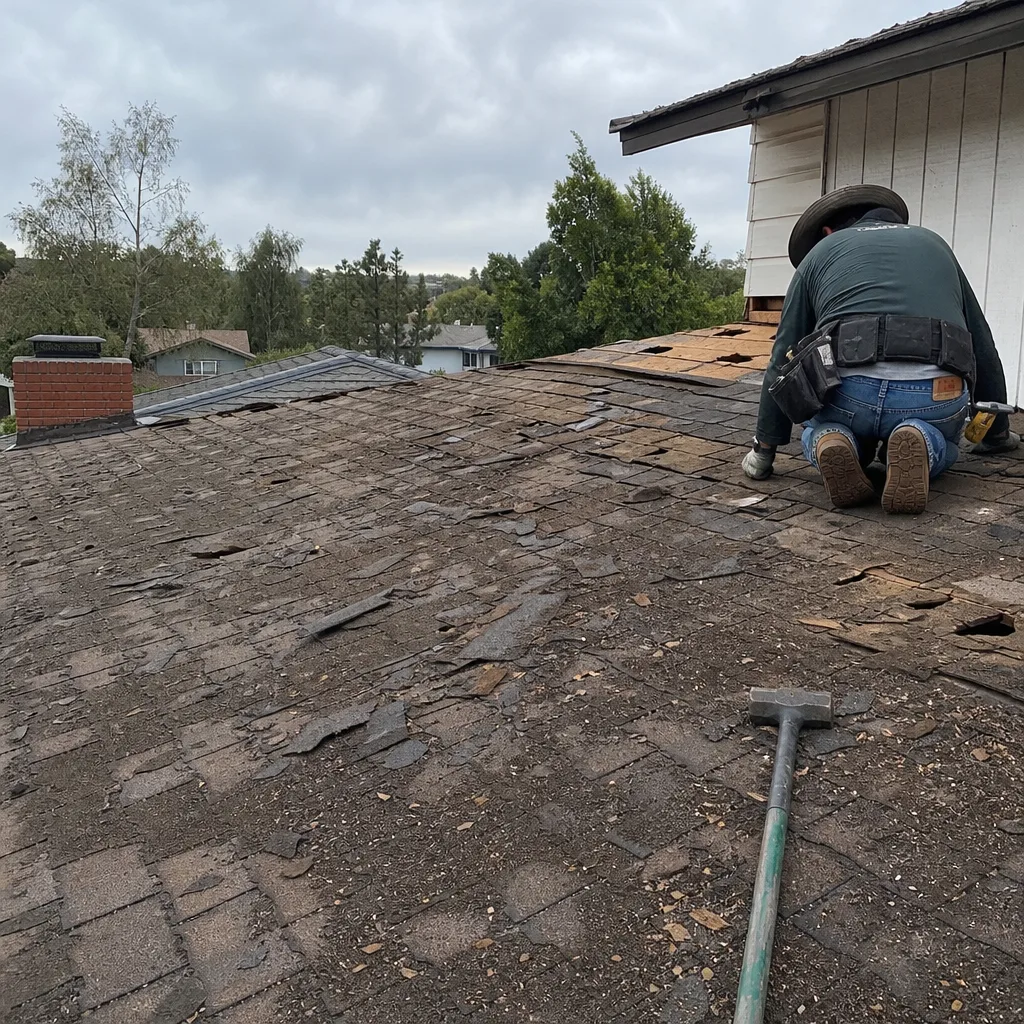 Before
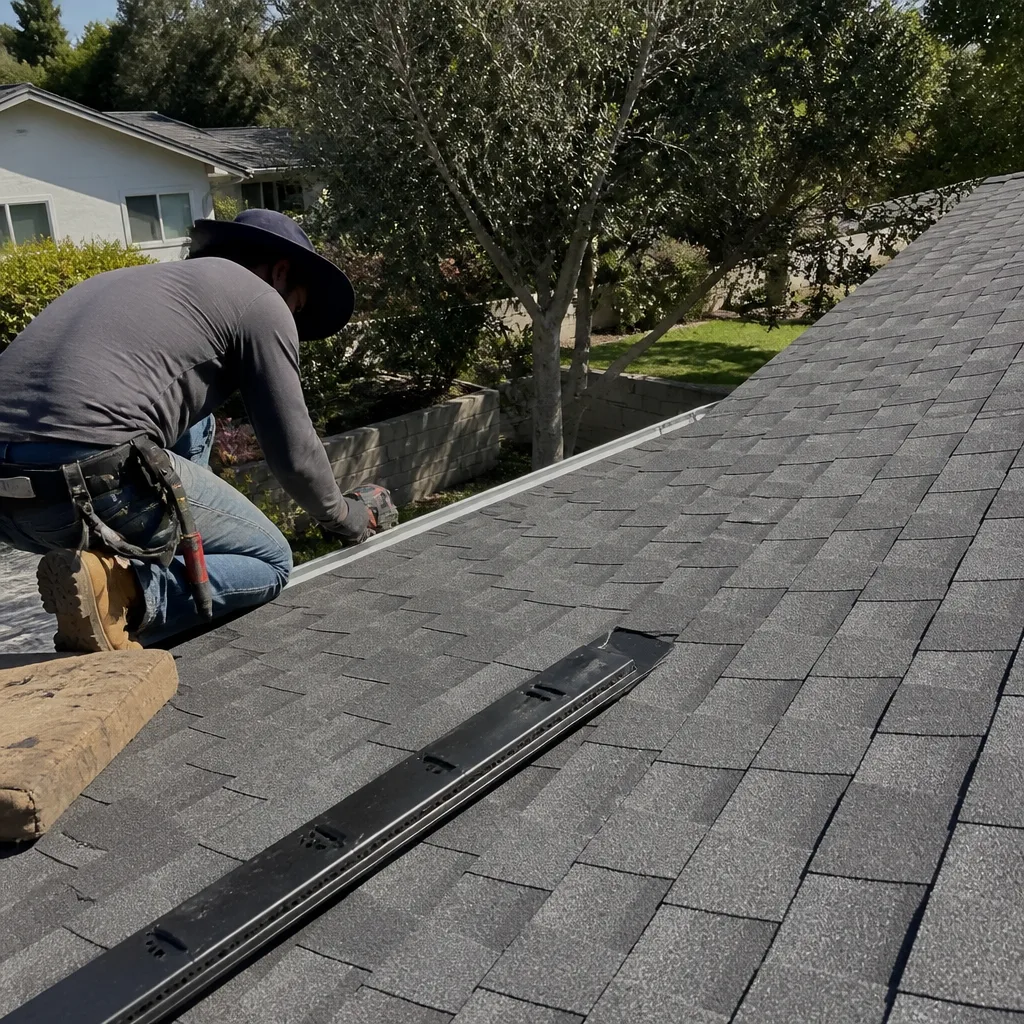 After
AfterReplacement Cost & What’s Included
In Woodland Hills, a straightforward underlayment replacement and deck patch on a small to medium section of roof (up to about 400 square feet) typically runs $1,800 to $2,900 installed. If the deck has to go on a larger section or the entire roof needs re-decking and new underlayment, the range climbs to $3,200 to $4,600, and if you’re also replacing shingles, the deck and underlayment cost is generally baked into that larger number. The range is driven by two things: how much of the deck is actually rotten when we open up the roof, and whether it’s a one-layer or two-layer tear-off. Every job in Woodland Hills is different, which is why we give a written price before any work starts, not a verbal estimate that changes when we find a second layer.
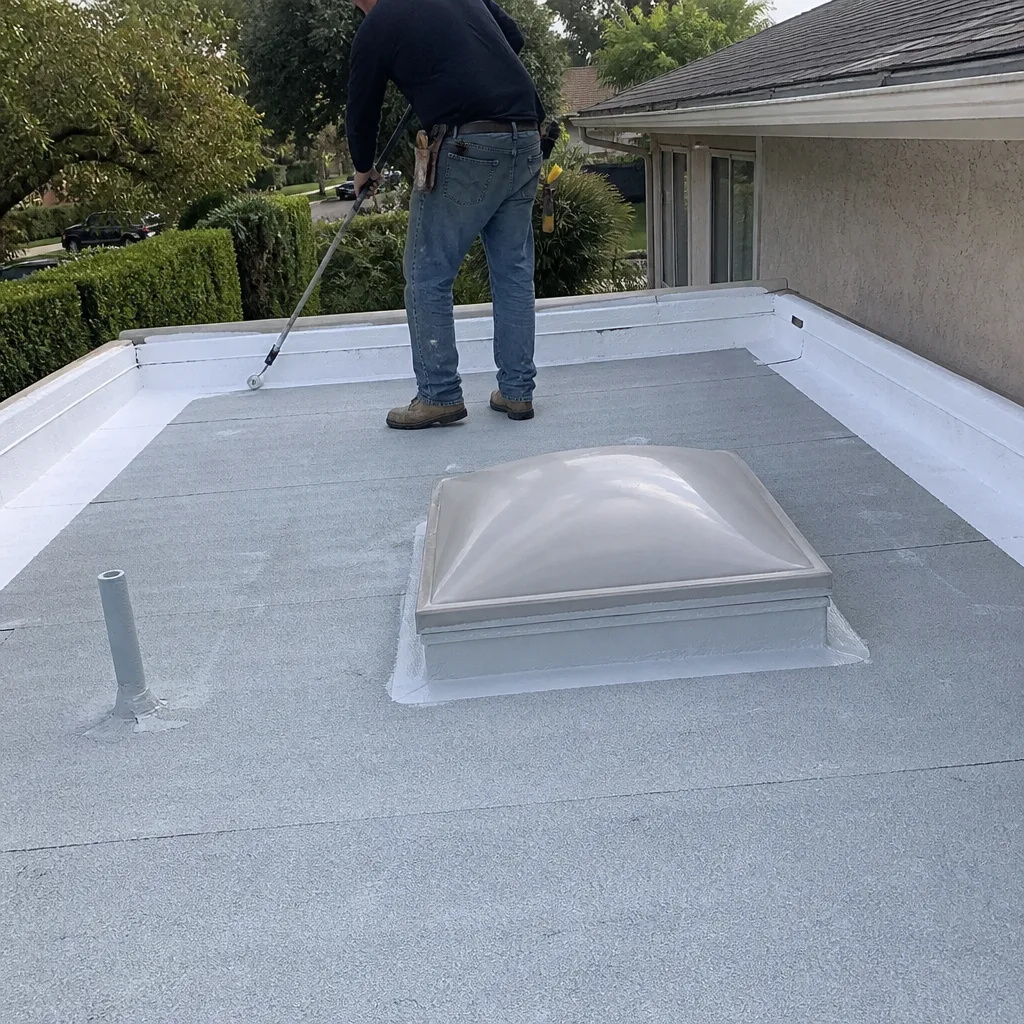
What’s included: we pull the failed area, inspect the deck with you (photo proof before and after, per our Relay Visibility Guarantee), install only the decking that’s actually bad, lay the right Tamko or Tamko-compatible underlayment for your roof type, and re-install or replace the shingles. You get a detailed written price before the first nail pulls, a line-item invoice after the work, and a 365-Day Done Right Promise covering every repair for a full year. If the repair fails in that year, we come back and fix it at no charge – and that promise is in writing on every single job.
DIY or Call Us?
Honest answer: you can inspect, but you shouldn’t repair underlayment or decking on your own, and here’s why. Walking a roof to inspect decking means putting your weight on a structure that is, by definition, failing – a soft deck is a fall waiting to happen, and a fall off a single-story Woodland Hills home can still end in a hospital. Underlayment is not a cosmetic layer; if you staple it wrong or punch through it, you’ve created a leak you can’t see, and that water will sit on the deck for months before you notice. There is no way to fix exposed underlayment “partially” and have it be reliable.
What you can do safely from the ground or attic: take photos of any ceiling stains, check the attic for visible light through the deck or dark water trails, and count how many layers of shingles you can see at the roof edge. Then call (650) 456-5615. We’ll send someone who knows what a Tamko underlayment should look like, what a failed deck core feels like, and what the repair should cost within a range you understand before you agree to anything. That kind of clarity is exactly what we’re built for.
FAQs
A properly installed Tamko synthetic or organic underlayment on a composition roof lasts 20 to 30 years in Woodland Hills, which is roughly the lifespan of the shingle layer above it. The Valley’s intense summer UV and big day-night temperature swings shorten that compared to coastal installs, and any area of the roof that stays shaded and damp will fail faster. If your underlayment is past 20 years, count it as due for replacement whenever the shingles above it are replaced, not “repair as needed.”
Yes, in most cases a section of failed underlayment can be removed and replaced without a full roof tear-off. The honest caveat is that if the roof has two layers of shingles, a patch can’t be done cleanly and we’ll talk through a full tear-off of at least that section. Call (650) 456-5615 and we’ll give you a straight answer with a written price before any work starts.
Most section repairs in Woodland Hills take one to two days from tear-off to final shingle installation. A full re-deck and underlayment replacement on a larger roof can take four to six working days, and rain can add a day here and there. We give you a written schedule before we start and text photo updates as the work progresses.
We stock Tamko synthetic and felt underlayment on our trucks, along with the common decking thicknesses most Woodland Hills homes need. If your job requires a specific Tamko product we don’t have on hand that day, we order it before the repair date, confirm the exact product with you, and show you the label before installation.
Written by Dylan Pace, Owner, Crestview Roofing Co Woodland Hills at Crestview Roofing Co Woodland Hills, serving Woodland Hills and nearby areas. Every promise we make goes in writing – because a handshake doesn’t keep the rain out. Call (650) 456-5615 for your free estimate on Tamko underlayment or deck repair.