
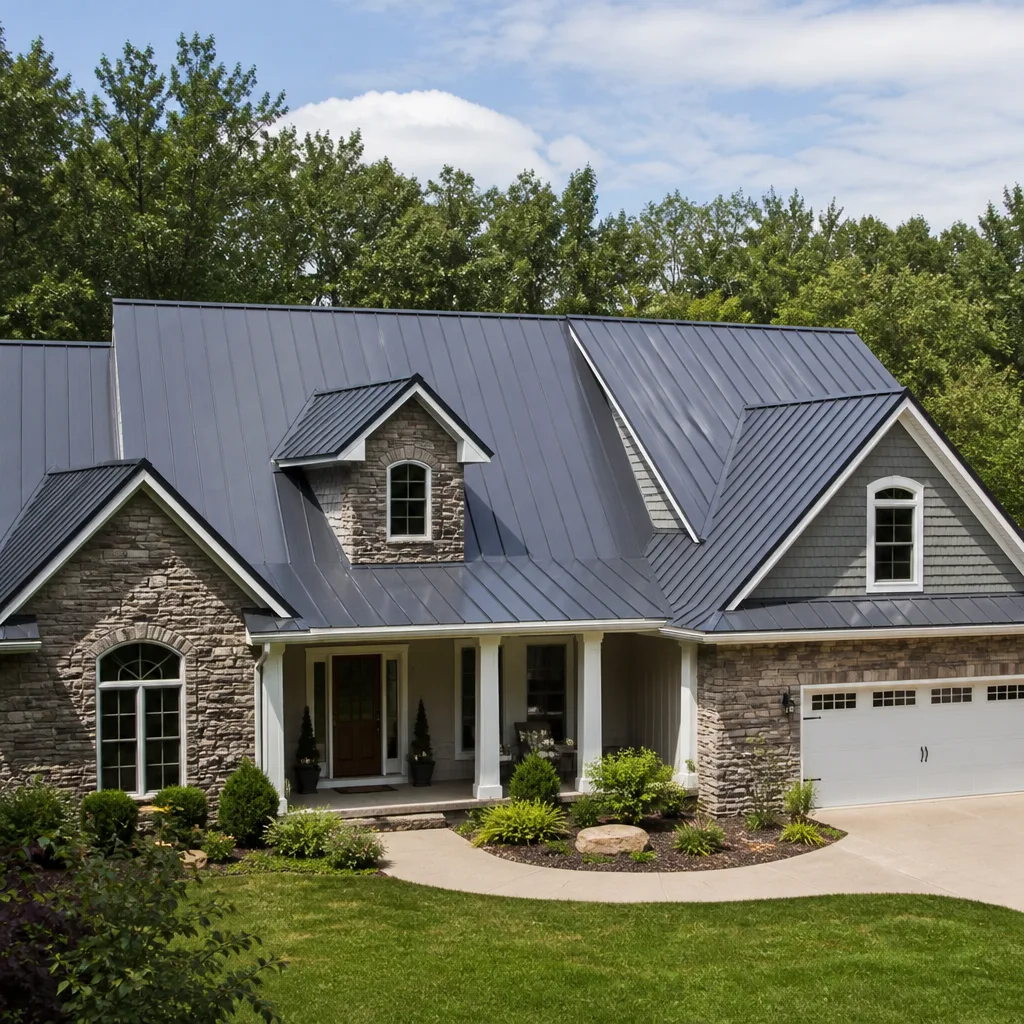
 Metal roofing
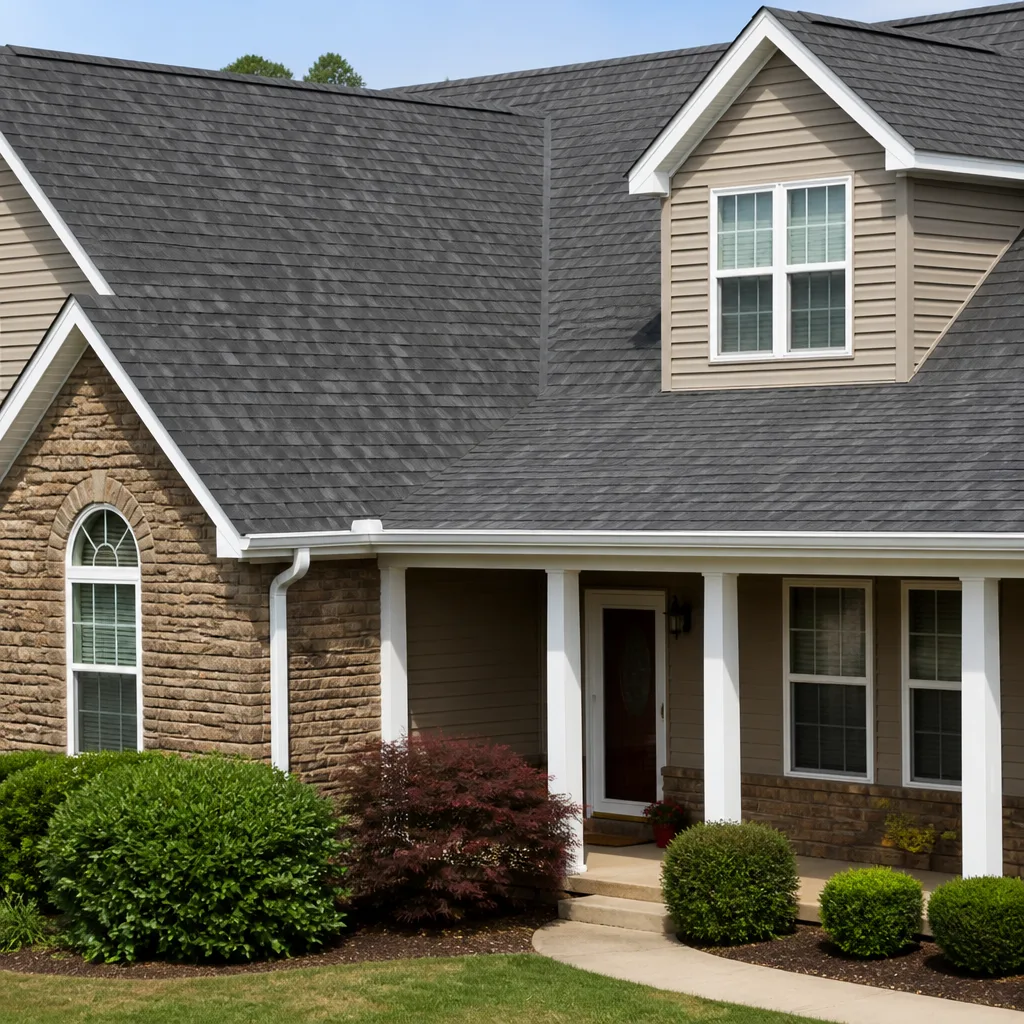 Architectural shingles
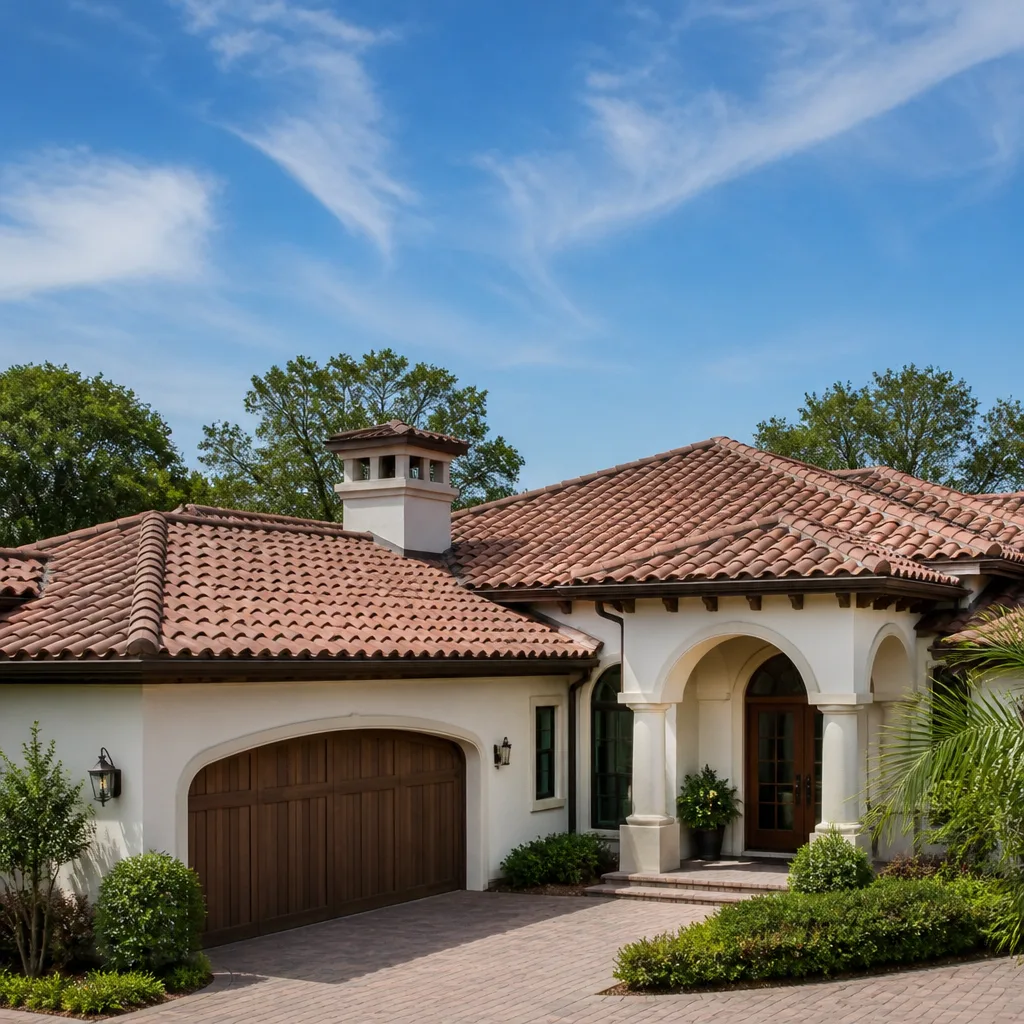 Tile roofing
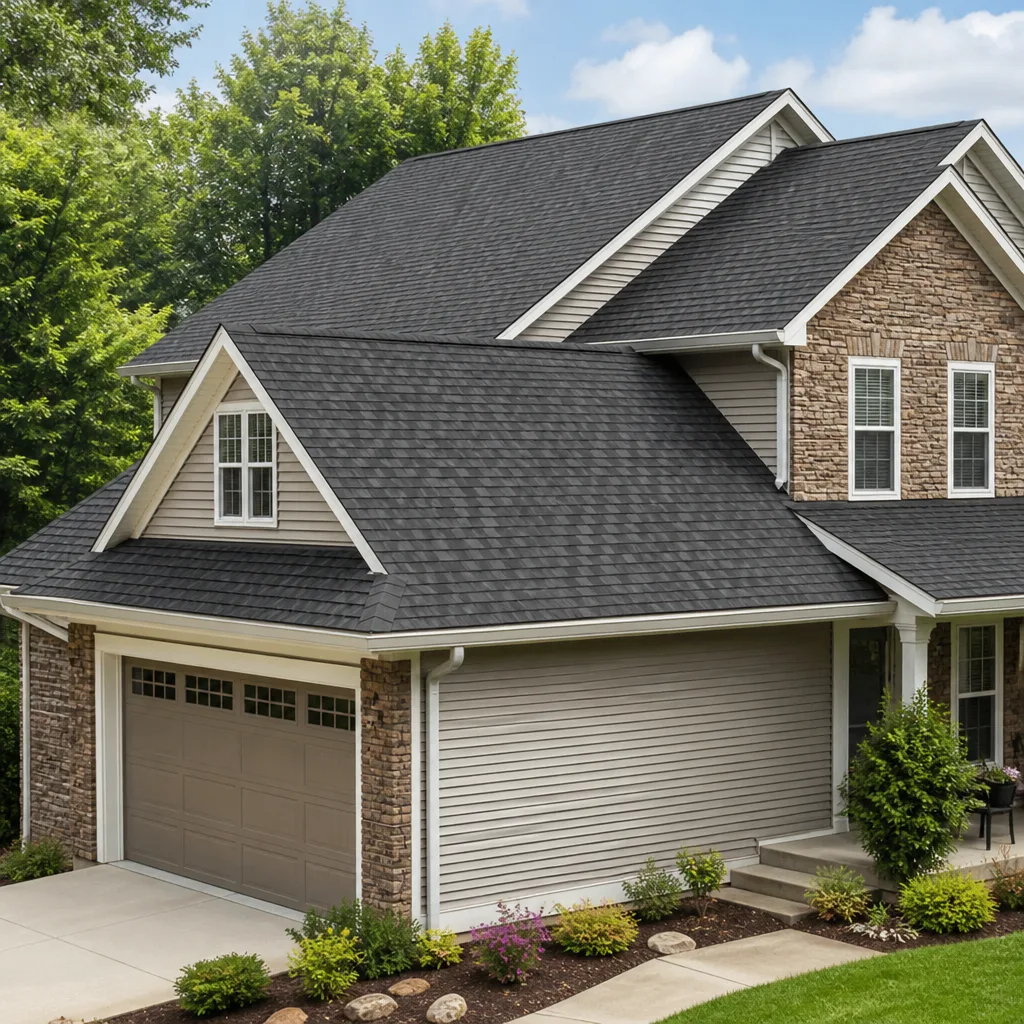 GAF
GAF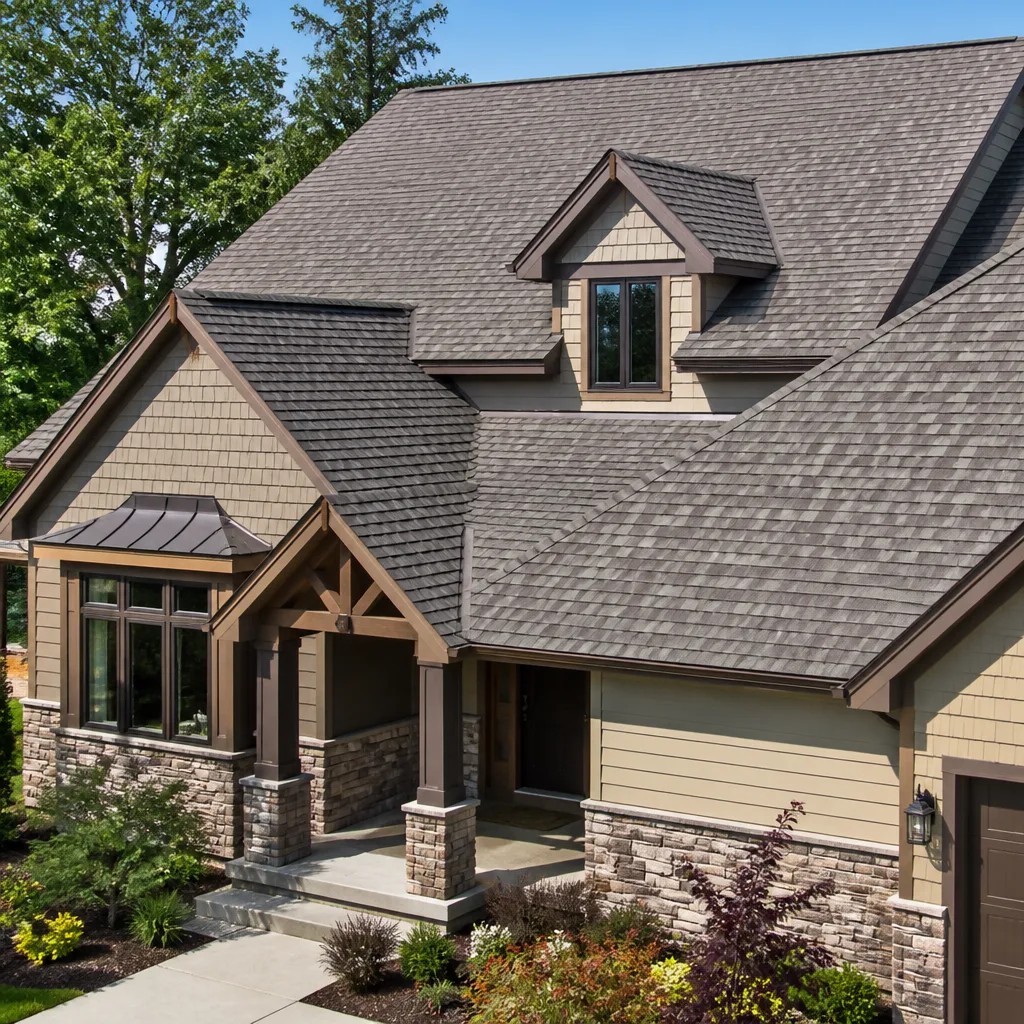 Owens Corning
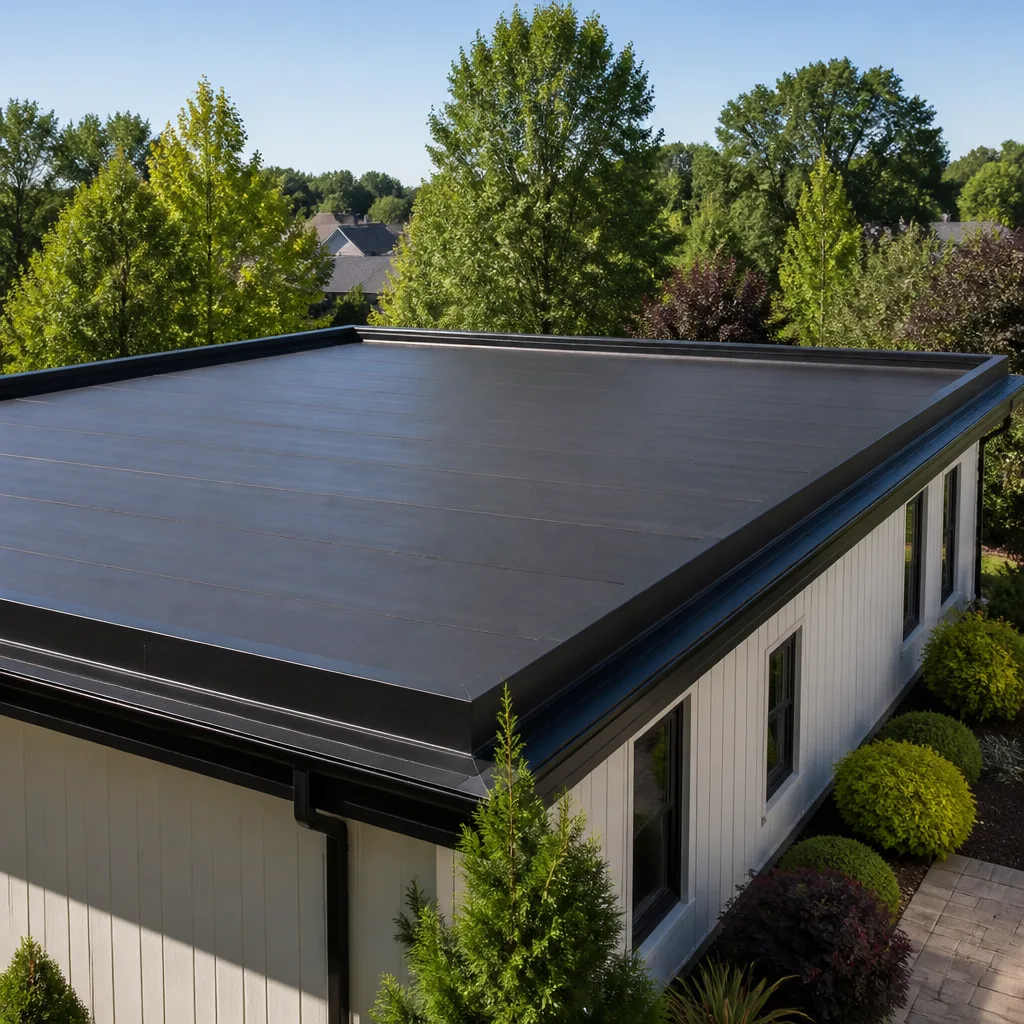 Flat & low-slope
Free roof inspection with deck photos before we talk money - GAF and Owens Corning certified installation
Styles & brands we work with
See the difference
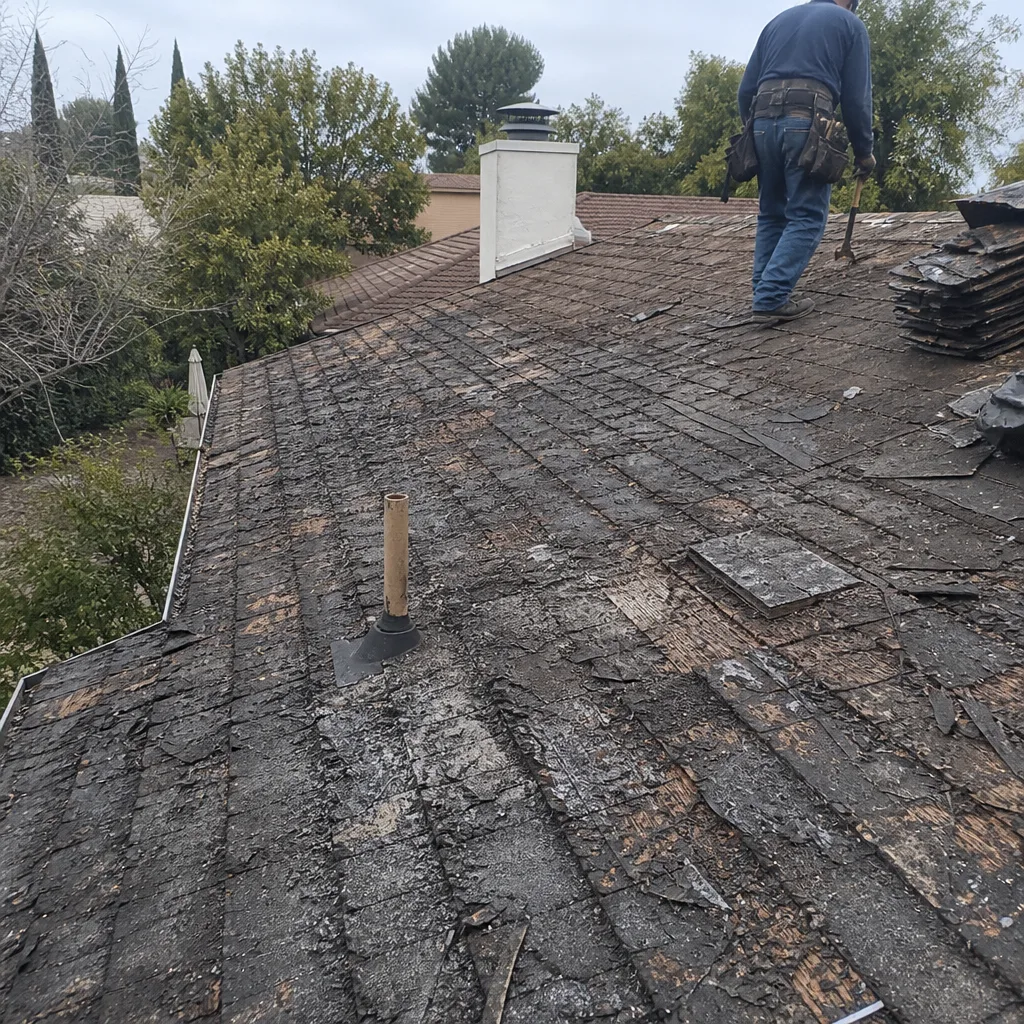 Before
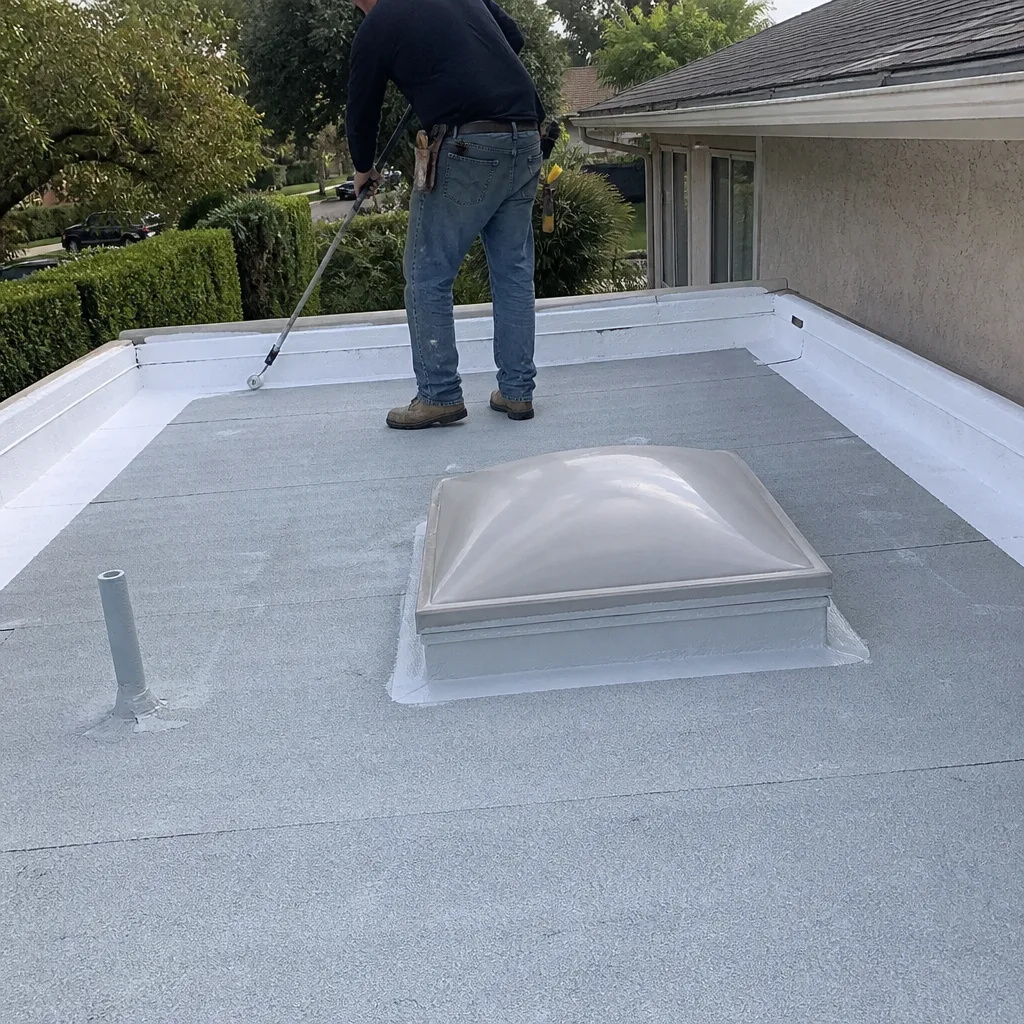 After
After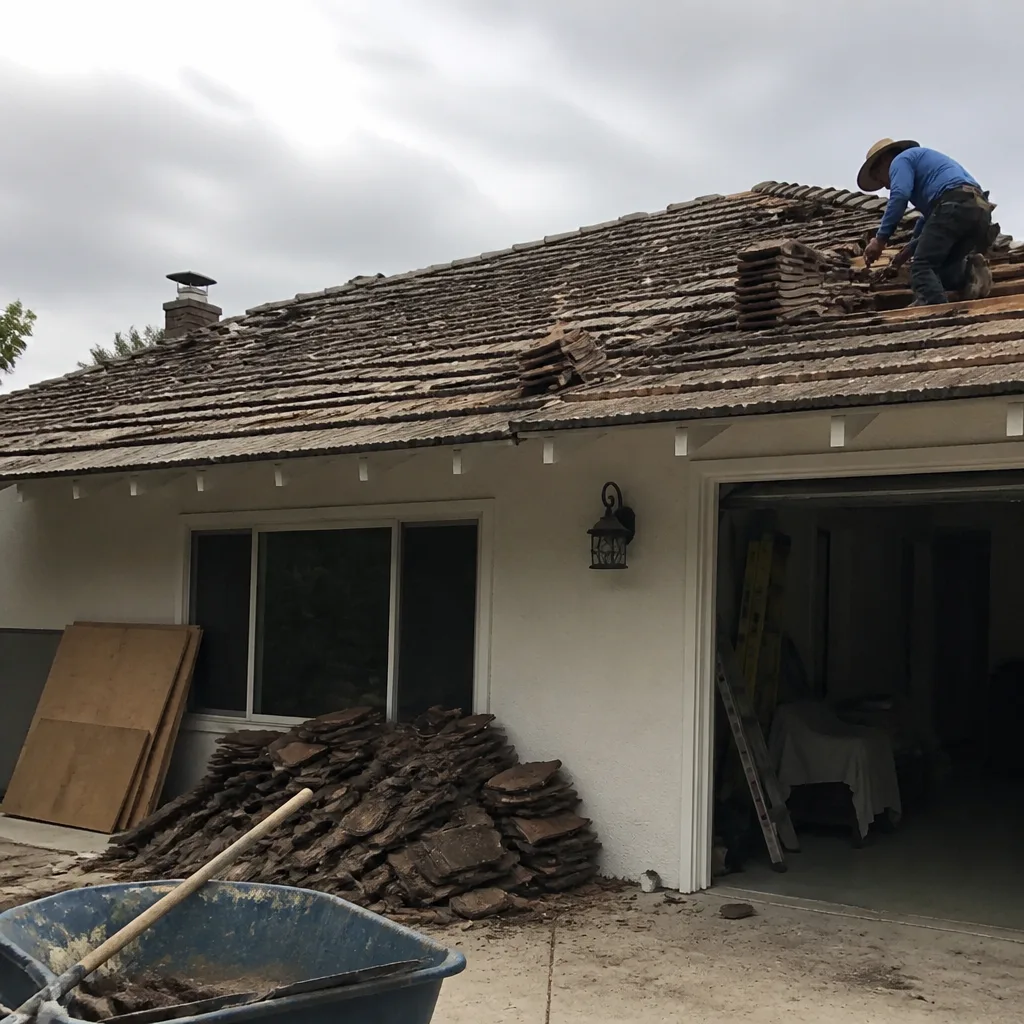 Before
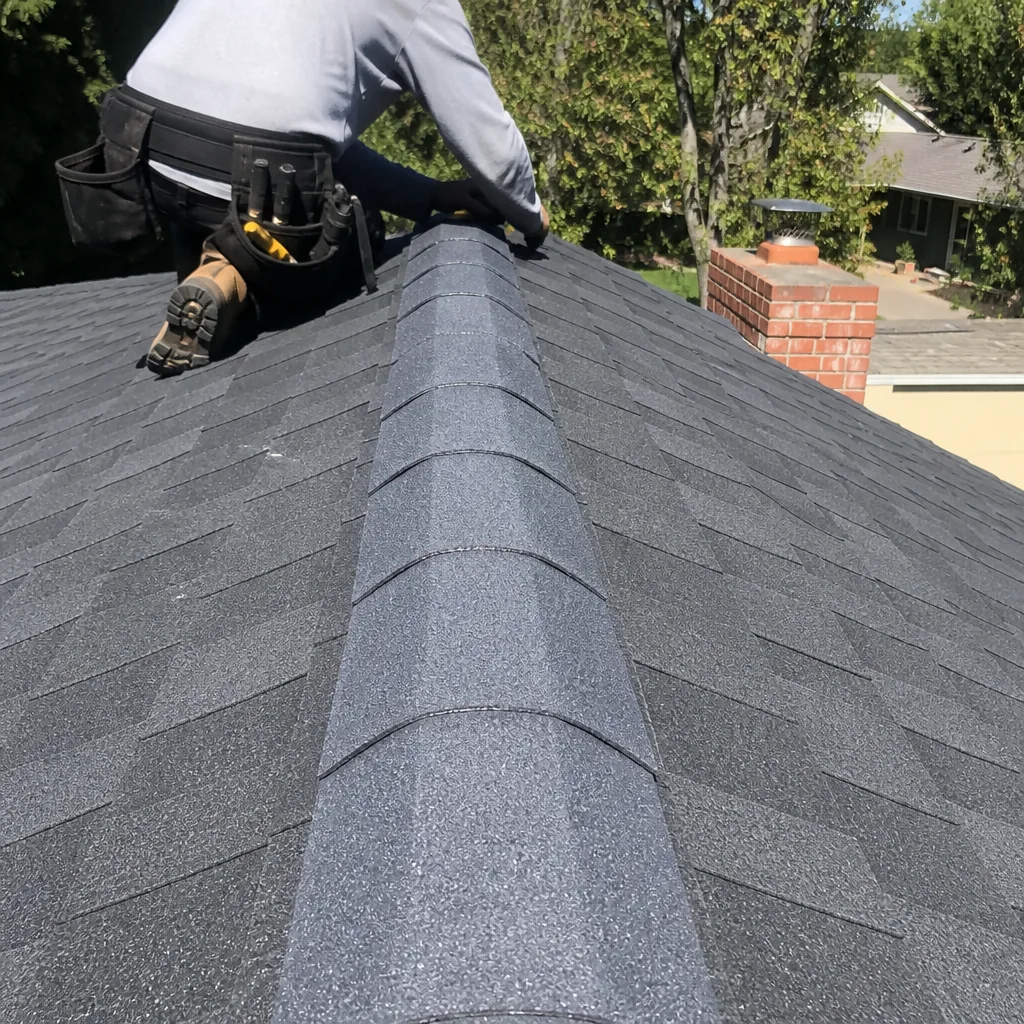 After
After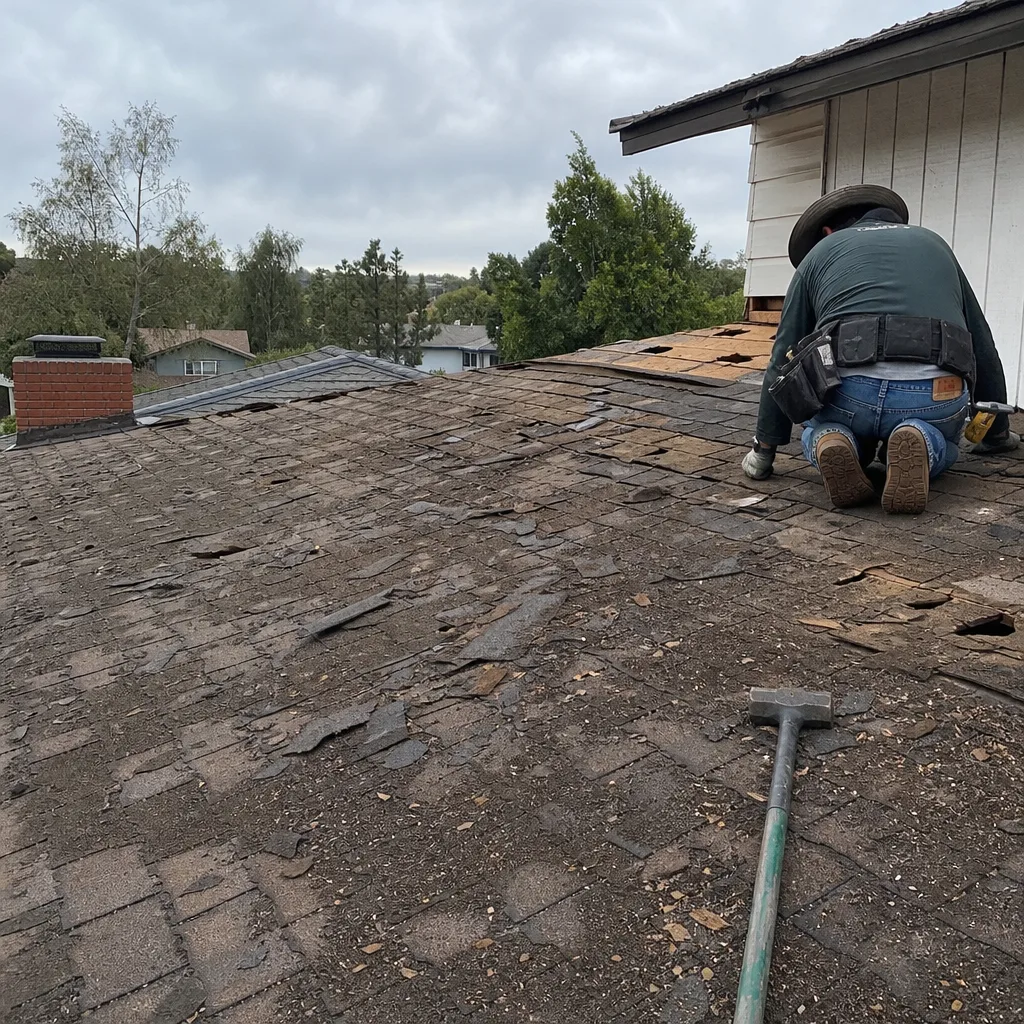 Before
 After
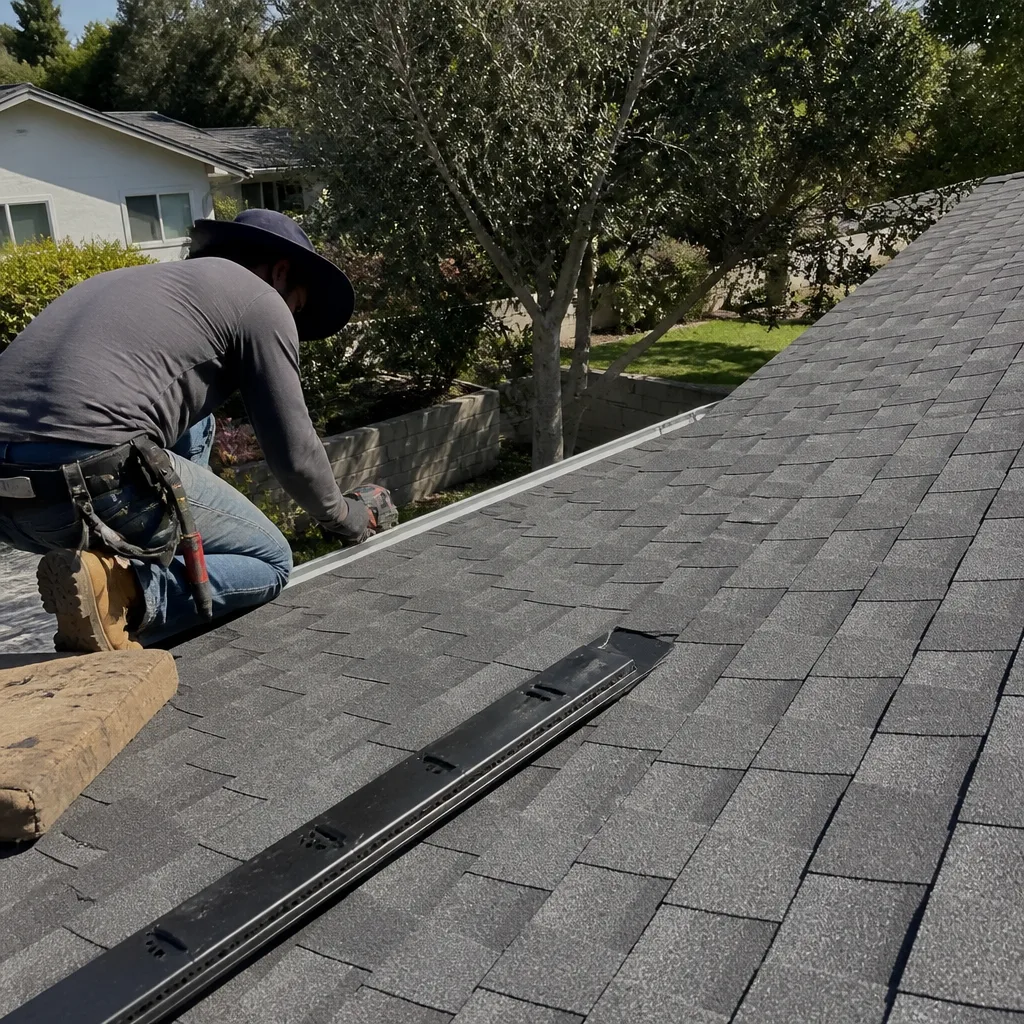
AfterValley Repair in Woodland Hills, CA
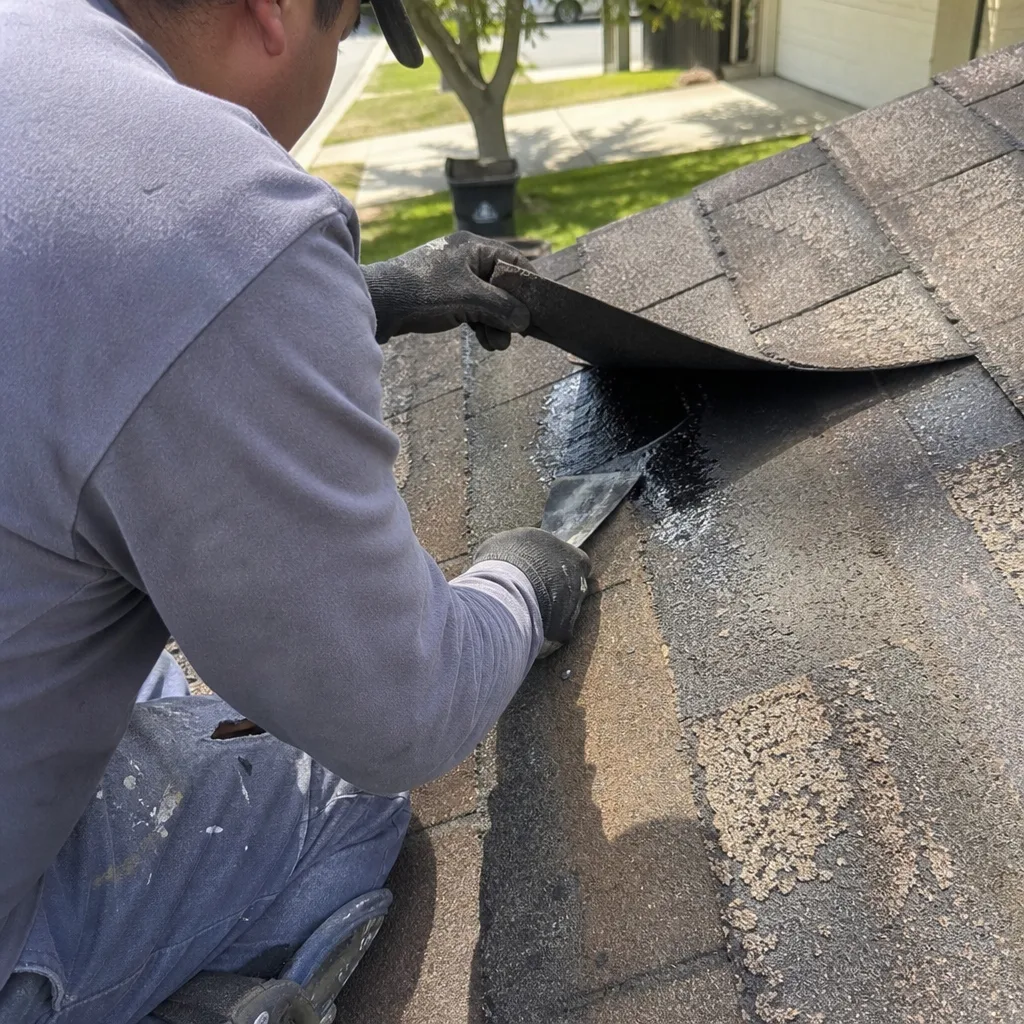
Valley repair in Woodland Hills refers to the repair, rebuilding, or replacement of the roof valleys on your home, the V-shaped channels where two roof planes meet and funnel rainwater toward your gutters. In the San Fernando Valley’s specific climate, where we get intense winter downpours followed by long stretches of hot, dry sun, valleys take more abuse than almost any other part of a roof. Most valley repairs in Woodland Hills run between $450 and $1,400 depending on the length of the valley, whether we’re fixing the flashing with Flashing Repair or replacing the underlayment, and how much decking needs to be cut out. If you’re seeing water stains on your ceiling near a valley, or you’ve spotted rusted metal or cracked shingles in that V-channel, call us at (650) 456-5615 and we’ll get a written price to you before any work starts.
At Crestview Roofing Co Woodland Hills, we handle valley work as part of our broader Roof Repair service, and it’s one of the most common callouts we get from neighborhoods like Walnut Acres, Vista de Oro, and the hillside homes south of Ventura Boulevard. Dylan Pace and our crew have been repairing valleys on Woodland Hills roofs since 2000, and we’ve seen just about every failure mode this climate can produce. The short version: valleys fail more often than flat roof fields because they carry more water, more debris, and more UV stress. Getting them fixed correctly the first time means your roof sheds water the way it was designed to.
This page covers what valley repair actually involves, when you need it, what it costs in Woodland Hills, and how our process works step by step. We wrote it to answer the questions homeowners actually search for, not to pad a word count. If you want a direct answer to a specific question, jump to the FAQ section or just call. A live person answers, 24/7.
Key Takeaways
- Valley repair in Woodland Hills typically runs $450 to $1,400, with most standard repairs landing in the $600 to $900 range.
- Valleys fail faster than other roof areas because they channel concentrated water flow and collect leaves and grit from Santa Ana winds.
- Crestview Roofing Co Woodland Hills puts a written price in your hand before any work begins, every single job.
- Every valley repair comes with our 365-Day Done Right Promise: if it fails within a year, we return and fix it at no charge.
- You get before-and-after photos and a live trackable arrival time through The Relay Standard, so you know exactly what happened on your roof.
What Exactly Is a Roof Valley?
Before we get into repair specifics, let’s define the term plainly. A roof valley is the internal angle formed where two sloping roof planes meet. Picture the V-shaped channels you see on any home with dormers, L-shaped footprints, or multiple gables. Water from both roof faces pours into that V and flows down to the eave. Because the valley handles roughly double the water volume of any single roof plane, and because leaves, pine needles, and wind-blown grit tend to collect there, it’s the first place a roof shows its age.
In Woodland Hills, we deal with three common valley types. The open valley uses metal flashing, usually 26-gauge to 28-gauge steel or aluminum, laid in the channel with shingles cut back on either side, which differs from a Flat Roof Patch approach. The closed or woven valley carries shingles through the channel without exposed metal. The lined valley, sometimes called a California-cut valley, runs shingles over the valley from one side while the other side is cut clean along the valley line. Each has failure modes specific to our climate, and we’ll tell you which you have and what it needs when we inspect.
When You Need Valley Repair
Valley problems don’t usually announce themselves loudly. They start small and compound. Here’s what gets our phone ringing most often in Woodland Hills:
- Water stains on ceilings or walls near a valley line. This is the most common sign, and by the time you see it, the valley has been failing for a while. Stains near interior walls that run perpendicular to your roof’s valley channels are a strong indicator. Don’t wait on this one, a small stain means the underlayment is already saturated.
- Rust or corrosion on exposed valley metal. If you can see your open valley flashing from the ground and it’s showing rust blooms or pinholes, water is working its way through. In our dry summers, rusted valley metal doesn’t leak until the first big winter storm hits, which is exactly when you don’t want a surprise.
- Granule buildup in the valley channel. Shingles shed granules over time, and valleys collect them. If you see thick black or gray sand-like material accumulating in the valley, the shingles feeding that valley are wearing down, and the channel itself may be clogging.
- Lifted, cracked, or missing shingles along the valley cut line. The cut edge of a shingle along a valley is a vulnerable point. Wind from the north canyon areas, especially during Santa Ana events, can lift and tear these edges loose.
- Daylight visible through the roof from inside your attic. If you’re in the attic and can see light coming through near a valley, you have an active opening. This is a fix-it-now situation, especially before the rainy season kicks in around November.
- Water running over the gutter during heavy rain, concentrated at a valley terminus. More water than the gutter can handle often means the valley is channeling water faster than it should because the shingles or metal have degraded and water is no longer being slowed and directed properly.
If any of these sound familiar, call us at (650) 456-5615. We’ll inspect the valley, take photos, and give you a written repair plan with a fixed price before you commit to anything.
Why Valleys Fail Faster in Woodland Hills
This is the information gain section, the part where someone who’s been repairing roofs in the 91364 and 91367 zip codes since 2000 can tell you things a generic roofing website can’t. Our climate hits valleys with a one-two punch. From November through March, Woodland Hills gets concentrated rainfall, sometimes an inch or more in a few hours during atmospheric river events. That water hits the valley and has to move fast. Then, from May through October, we get months of near-zero rainfall and intense UV exposure. The expansion and contraction cycle from wet winters to bone-dry summers, often with 40-degree temperature swings between night and day, breaks down sealants, cracks aging metal, and separates shingles from their adhesive strips.
Add the annual leaf drop from the mature oaks and sycamores that line streets in neighborhoods south of the Boulevard, plus the gritty dust and fine debris that Santa Ana winds push into every crevice, and valleys end up holding a damp, abrasive slurry against roofing materials for weeks. That’s the exact recipe for premature failure. A valley that would last 20 years in a mild coastal climate might need work at year 12 or 14 out here. We account for this in how we repair, using heavier-gauge metal than the code minimum when we rebuild open valleys, and using Roof Repair in Woodland Hills techniques that hold up under our specific conditions.
Our Valley Repair Process
Every valley repair we do follows the same sequence. It’s built around the Relay Visibility Guarantee, which is our commitment that you’ll know what’s happening on your roof at every step.
- Inspection and photo documentation. We walk the roof, inspect the valley from both sides, and photograph everything we find. You get those photos. If there’s decking damage underneath the valley, we identify it now and include it in your written plan, not as a surprise add-on later.
- Written price before any work starts. We hand you a line-item price for the whole repair: materials, labor, any decking replacement, and disposal. That price is the price. It doesn’t change at the door, and it doesn’t grow after we open up the roof.
- Scheduled arrival with live tracking. You’ll know exactly when we’re coming, and you can track our arrival time live through The Relay Standard. No four-hour windows. No guessing. When our technician, uniformed and background-checked, pulls up, you already know who it is.
- Removal of failed valley materials. We remove the old shingles, metal flashing, or underlayment in the valley, and cut back any compromised decking. This is the point where we verify that the decking underneath is sound, and if it isn’t, we show you the photo proof.
- Underlayment, flashing, and shingle rebuild. We rebuild the valley with materials matched to your roof. For open valleys, we typically install 26-gauge metal, heavier than what many builders put in originally. For woven or closed valleys, we use shingles from GAF or Atlas, depending on what we’re matching. Every layer goes in specifically to handle Woodland Hills rainfall volumes.
- Final inspection, photos, and digital invoice. We photograph the finished valley from multiple angles, send you before-and-after shots by text, and deliver your invoice digitally. You see exactly what was done without ever needing to climb a ladder.
The whole process for a standard valley repair takes one day. Larger rebuilds, especially long valleys on two-story hillside homes, can run into a second day. We’ll tell you the timeline when we give you the price.
Valley Repair Pricing in Woodland Hills
Let’s talk actual numbers. Standard valley repair in Woodland Hills typically runs $450 to $1,400, and most jobs we do land in the $600 to $900 range. Here’s what drives the cost:
| Repair Scope | Typical Range | What Affects the Price |
|---|---|---|
| Sealant and minor shingle repair at valley edge | $450 – $650 | Valley length, roof pitch, single-story access |
| Replace valley underlayment and shingles | $600 – $900 | Material match, valley length (most residential valleys are 10-20 linear feet) |
| Flashing replacement on open valley | $700 – $1,100 | Metal gauge, custom bending for your roof angle, removal of old metal |
| Full valley rebuild including decking repair | $1,000 – $1,400+ | Amount of rotted decking, two-story access, steep pitch |
Roof pitch matters more than most people expect in Woodland Hills. The hillside neighborhoods south of Ventura Boulevard have steep pitch roofs that require staging and safety lines, which adds labor time. A single-story home in the flat sections east of Topanga Canyon Boulevard is faster to work on and usually falls at the low end of these ranges.
Material brand also affects cost. If your roof is Atlas or GAF, we can match it precisely, and these are the brands we work with most often on valley rebuilds in this area. Tamko and Boral shingles are also available when we’re matching a specific roof. We’ll always tell you exactly what material we’re quoting and why it fits your roof.
Every estimate is free. Call (650) 456-5615 and we’ll schedule the inspection, walk the roof, and get you a written price, usually the same day or next day, before you spend a dime.
What That Price Includes
Our valley repair price is a full turnkey number. It includes removal and disposal of old material, any new flashing or underlayment including Vent Boot Repair if needed, new shingles matched to your roof, the labor, and the cleanup. There’s no separate fee for the inspection when it leads to a repair, no charge for the photos, and no fee for the written guarantee, because the 365-Day Done Right Promise is included with every job, in writing, at no extra cost. If a covered repair fails within 365 days, we come back and fix it free. No negotiation, no runaround, no second invoice.
Valley Repair vs. Roof Replacement
We get this question a lot, and it’s worth answering straight. If the valley is the only thing failing and the surrounding roof has five or more years of life left, a targeted valley repair is the smart money. You’ll spend under $1,400 instead of $15,000-plus for a full roof, and a properly rebuilt valley will last as long as the surrounding roof. Dylan Pace has never once recommended a full replacement where a repair was the honest answer.
But if the shingles feeding into the valley are worn through, if there’s granule loss across the whole roof face, or if you have multiple failing valleys plus ridge or flashing issues, replacement may be the better long-term call. We’ll tell you what we see and give you both options with real numbers, then let you make the call. And if you’re looking for a broader view of what repairs cost in this area, our Roof Repair in Woodland Hills page breaks down the full range of repair scenarios.
FAQs – Valley Repair
How much does valley repair cost in Woodland Hills?
Valley repair in Woodland Hills typically costs between $450 and $1,400, with most standard jobs falling in the $600 to $900 range. The price depends on the length of the valley, whether decking needs replacement, roof pitch and access difficulty, and the material we’re matching. Every estimate from Crestview Roofing Co Woodland Hills is free, and you get a written price before any work starts. Call (650) 456-5615 for an exact quote on your valley.
Is it cheaper to repair or replace a roof valley?
Repair is almost always cheaper than any alternative that involves replacing the whole roof. A valley repair runs $450 to $1,400, while a full roof replacement on a typical Woodland Hills home starts around $12,000 to $15,000. If the valley is the only failing component and the surrounding roof has usable life left, repair is the clear financial choice. We’ll give you an honest assessment and both options in writing if it’s a borderline call.
Can you fix a roof valley the same day?
Yes, most standard valley repairs are completed in a single day, and we offer same-week scheduling for urgent cases. If you have an active leak or visible daylight through the valley, call us at (650) 456-5615 and we’ll prioritize the work. We’ll give you a live trackable arrival time so you know exactly when we’ll be on site.
How do I know if my roof valley is leaking?
You’ll usually see water stains on the ceiling or walls near the interior line of the valley, often showing up as dark patches that grow after rain. Other signs include visible rust on valley metal, shingle grit piling up in the channel, or daylight visible from the attic. If you’re unsure, call us and we’ll inspect the valley, photograph what we find, and give you a written assessment with no obligation.
What’s the 365-Day Done Right Promise on valley repair?
The 365-Day Done Right Promise is our written guarantee that covers every valley repair for a full year from the date we complete the work. If a covered repair fails within 365 days, we return and fix it at no charge, including a free second visit. It’s included with every job, in writing, and it’s part of the Relay Visibility Guarantee that governs all of our work.
Call for a Free Valley Repair Estimate in Woodland Hills
If you’re seeing signs of valley trouble, or you just want a professional opinion before the rains hit, call Crestview Roofing Co Woodland Hills at (650) 456-5615. We’ll schedule an inspection, walk your roof, photograph everything, and give you a written price with no ambiguity and no pressure. Dylan Pace and our crew have been working on Woodland Hills roofs since 2000, and we answer the phone with a live person, 24/7. Your valley gets fixed right, documented with before-and-after photos, and backed by a year-long written guarantee. That’s the whole deal.
Written by Dylan Pace, Owner at Crestview Roofing Co Woodland Hills, serving Woodland Hills.