
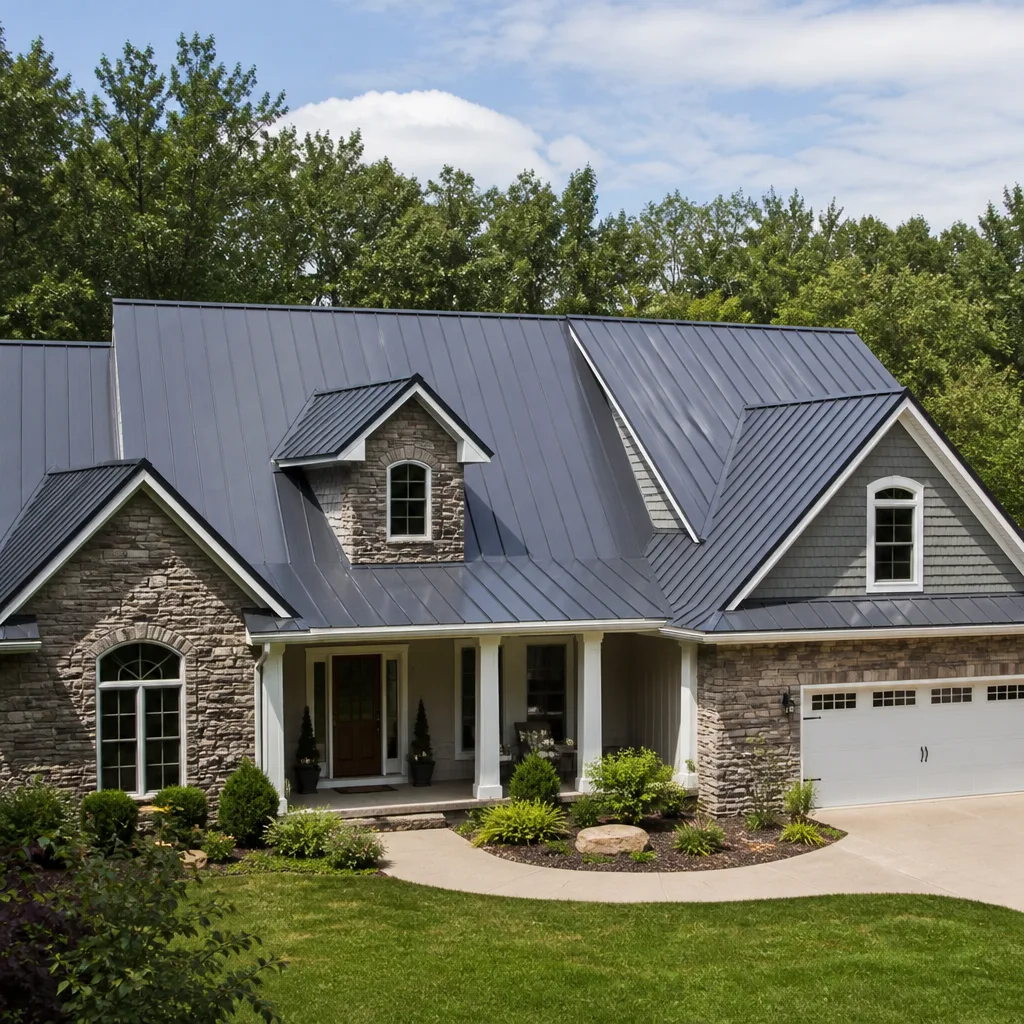
 Metal roofing
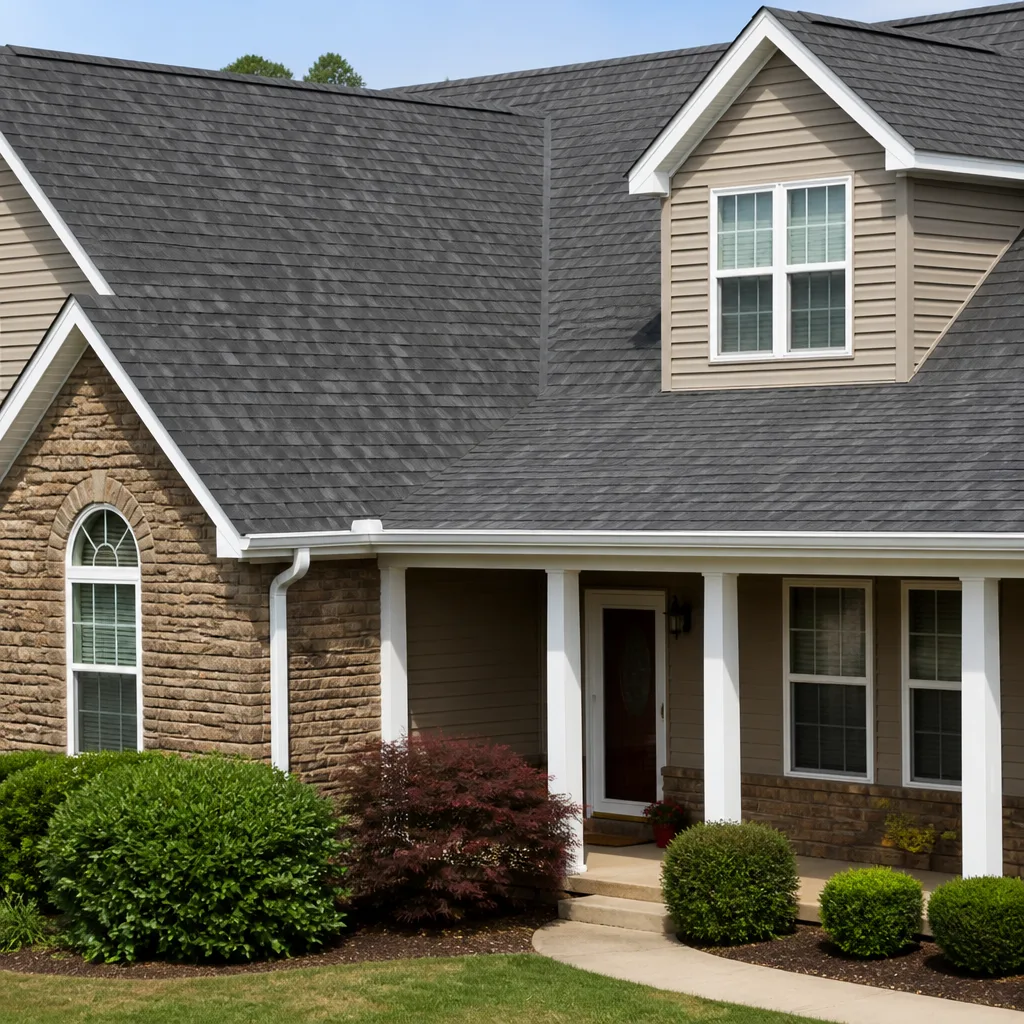 Architectural shingles
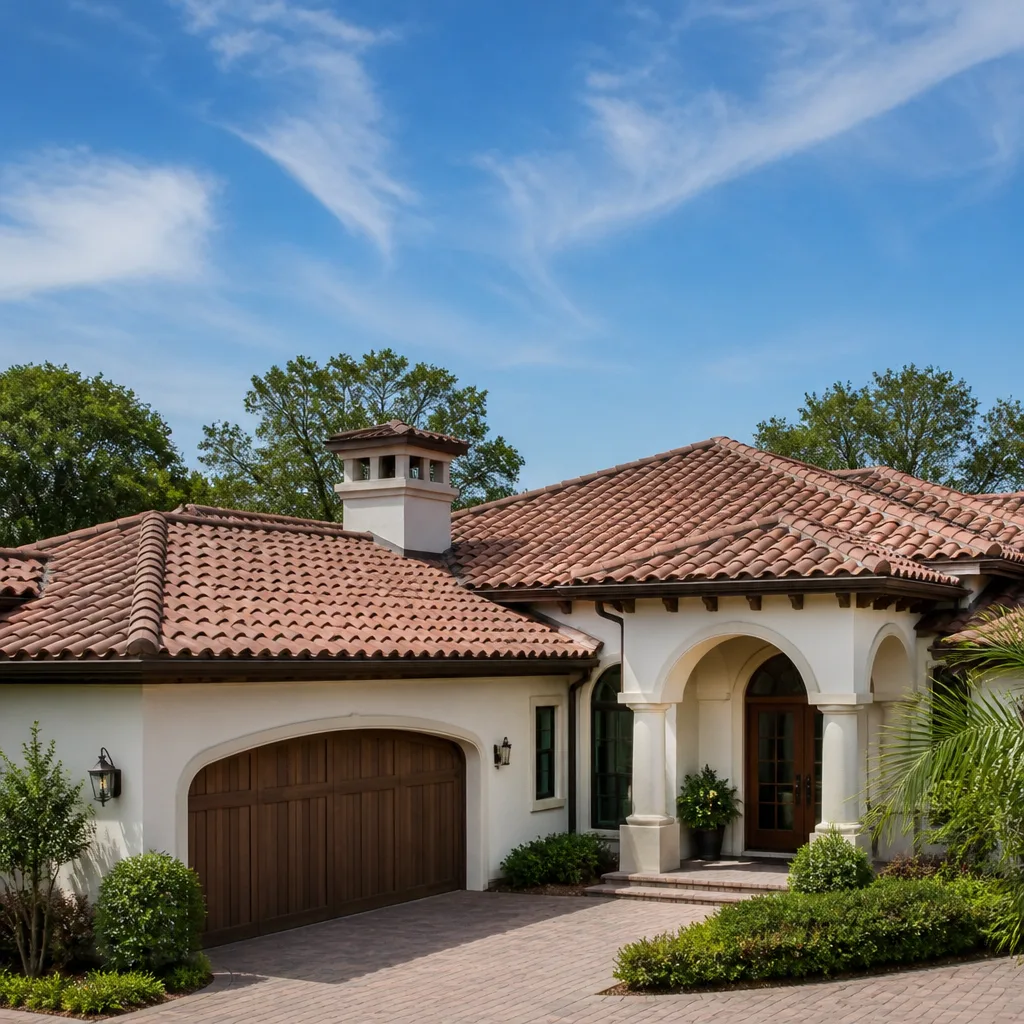 Tile roofing
 GAF
GAF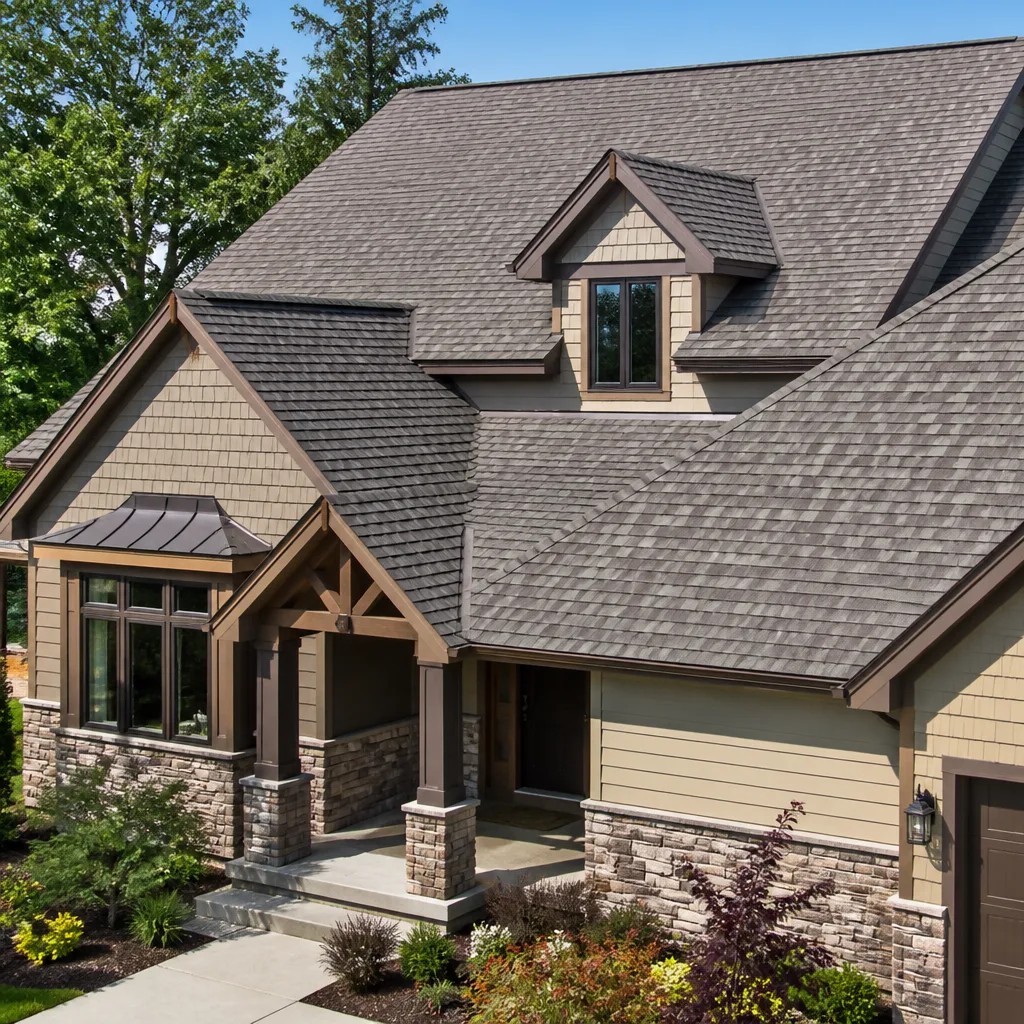 Owens Corning
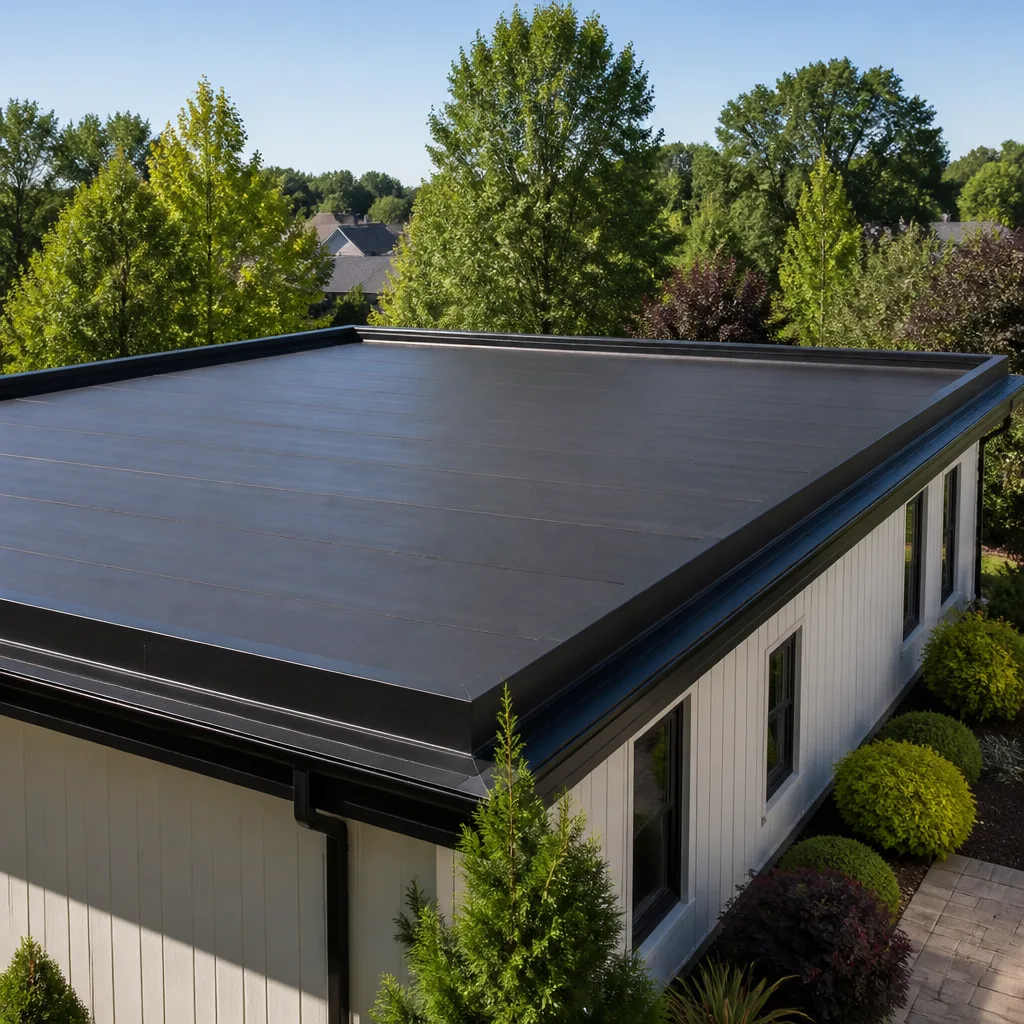 Flat & low-slope
Free roof inspection with deck photos before we talk money - GAF and Owens Corning certified installation
Boral Flashing Replacement: The Woodland Hills Owner’s Guide
Boral flashing replacement in Woodland Hills typically runs $350 to $900 installed, depending on the flashing location, the condition of surrounding material, and whether we’re repairing one section or replacing a full run. We stock Boral-compatible flashing profiles on our trucks, and most jobs are completed in a single visit. The way most homeowners discover the problem is simple: a water stain shows up on a ceiling or wall after the first real rain of the season, and the flashing at a valley, sidewall, or chimney is usually where it started.
Flashing is the metal or composite material that seals the seams where your Boral roof meets something else, like a wall, chimney, skylight, or valley. When it fails, water gets behind the roofing material and travels before it shows itself. By the time you see the stain, the leak has been active for a while. Here’s what you need to know about matching, pricing, and fixing it right.
Which Boral Models This Applies To
Boral roofing products fall into two broad families: concrete and clay roof tile, and Boral Steel stone-coated metal panels. The flashing needs for each are different, and using the wrong profile is the most common mistake we see on repair jobs around Woodland Hills.
For Boral concrete and clay tile, the flashing that matters most sits at sidewalls, headwalls, valleys, and penetrations like vents and skylights. These tiles have a pronounced profile, so the flashing has to be stepped or have a taller rise to match the tile’s contour. A flat flashing meant for asphalt shingles won’t seal correctly under Boral tile, and water will work its way behind it within a season or two. For Boral Steel, the flashing details follow the panel geometry, and the manufacturer specifies a minimum sidewall flashing height and specific lap details that differ from what you’d use on tile.
When we arrive, we check the tile or panel profile, measure the flashing height and gauge, and confirm whether the existing piece is an OEM Boral part or an aftermarket equivalent. For most Woodland Hills homes, a quality 26-gauge galvanized or Galvalume flashing cut to the correct profile works as well as the OEM piece and costs less. For certain color-matched Boral Steel details, we order the factory part to keep the appearance exact. We’re an independent service provider, not affiliated with Boral, so we’ll give you a straight answer on when OEM matters and when it doesn’t.
Styles & brands we work with
Signs Your Boral Flashing Replacement Is Failing
- Water stains on ceilings or upper walls after rain. This is the classic tell. Flashing gaps let water enter at a seam and travel along rafters before dripping onto drywall several feet away from the actual breach. The stain’s location rarely matches the leak’s location exactly.
- Lifted or separated flashing at sidewalls and chimneys. Over years of Woodland Hills heat, the sealant between flashing and stucco or brick dries and cracks. You can sometimes see the metal pulling away from the wall with visible gaps. That gap is an open channel for water.
- Rusted or corroded flashing at valleys and penetrations. Older flashing, especially galvanized pieces from roofs installed 20-plus years ago, eventually rusts through in the spots where water pools or debris sits. Once rust perforates the metal, the flashing is done.
- Granules or debris piling up at the roof-wall junction. When flashing fails, small pieces of tile or underlayment often wash down and collect at that seam. It’s a secondary sign, but it usually means water is moving through an area it shouldn’t be.
- Damp insulation or musty smell in the attic after rain. Before a ceiling stain appears, moisture often shows up in the attic. If you notice a musty smell or damp insulation near a wall or chimney, have that flashing checked before the drywall gets involved.
See the difference
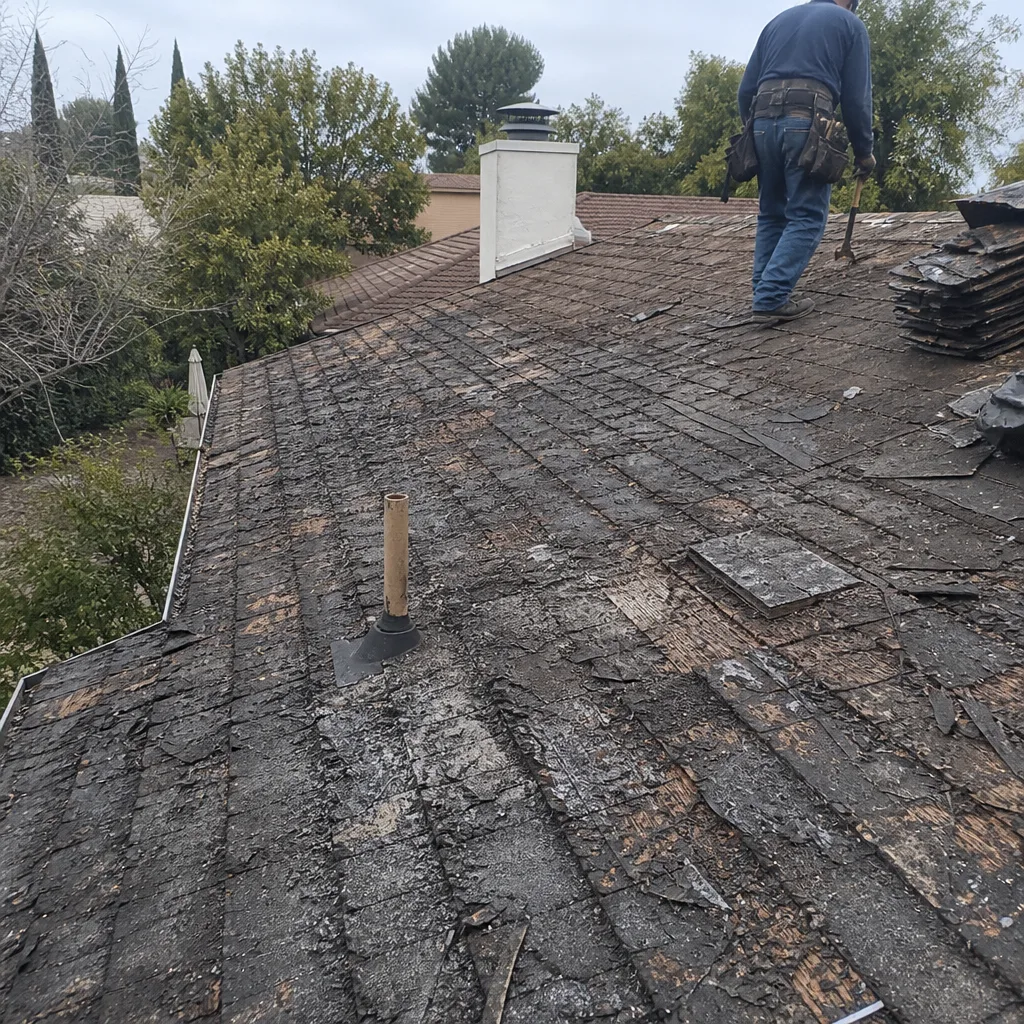 Before
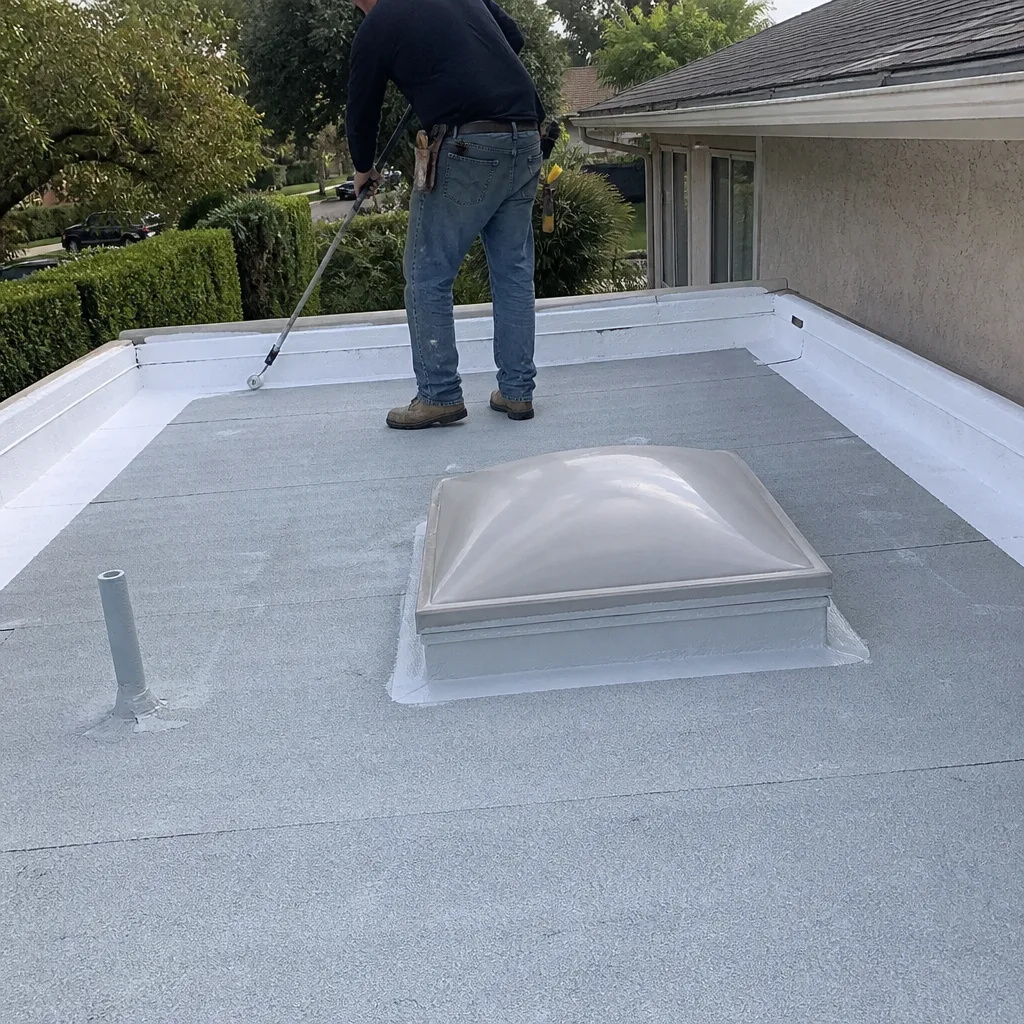 After
After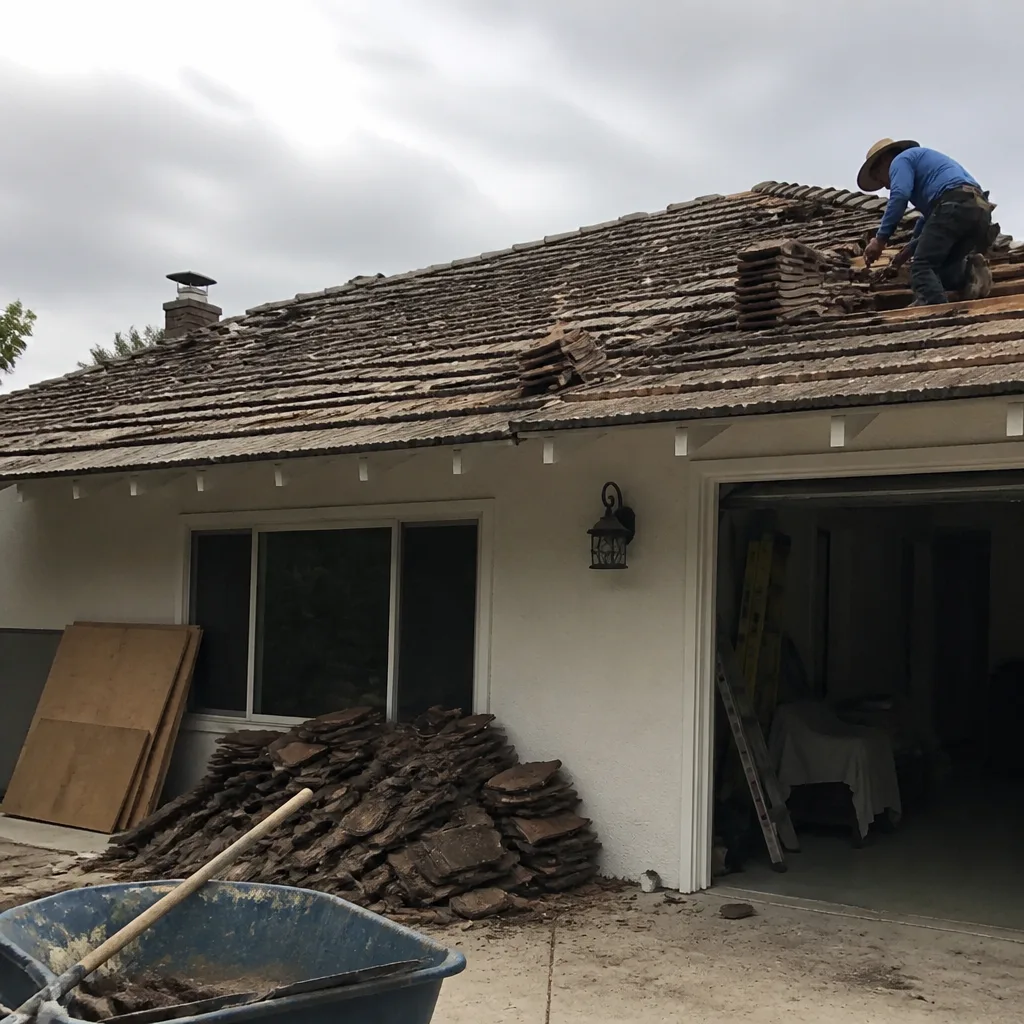 Before
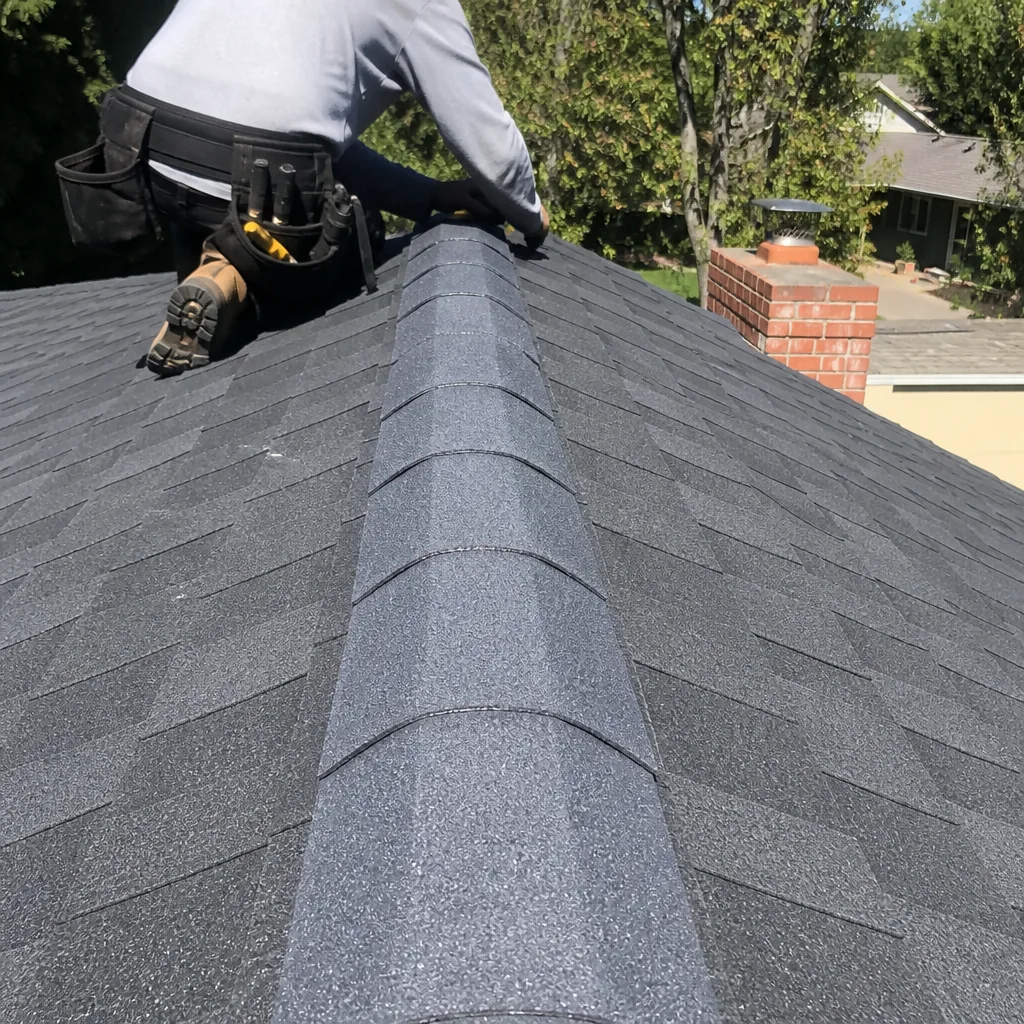 After
After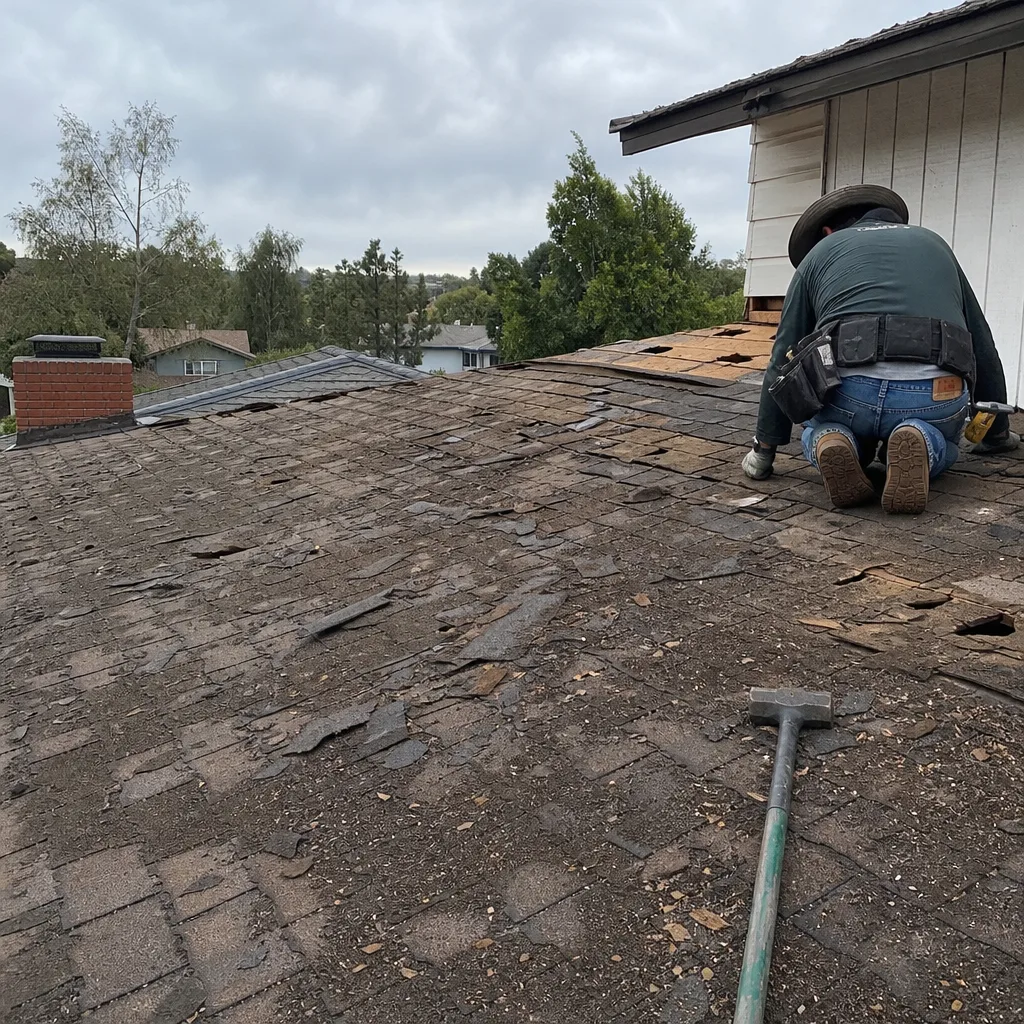 Before
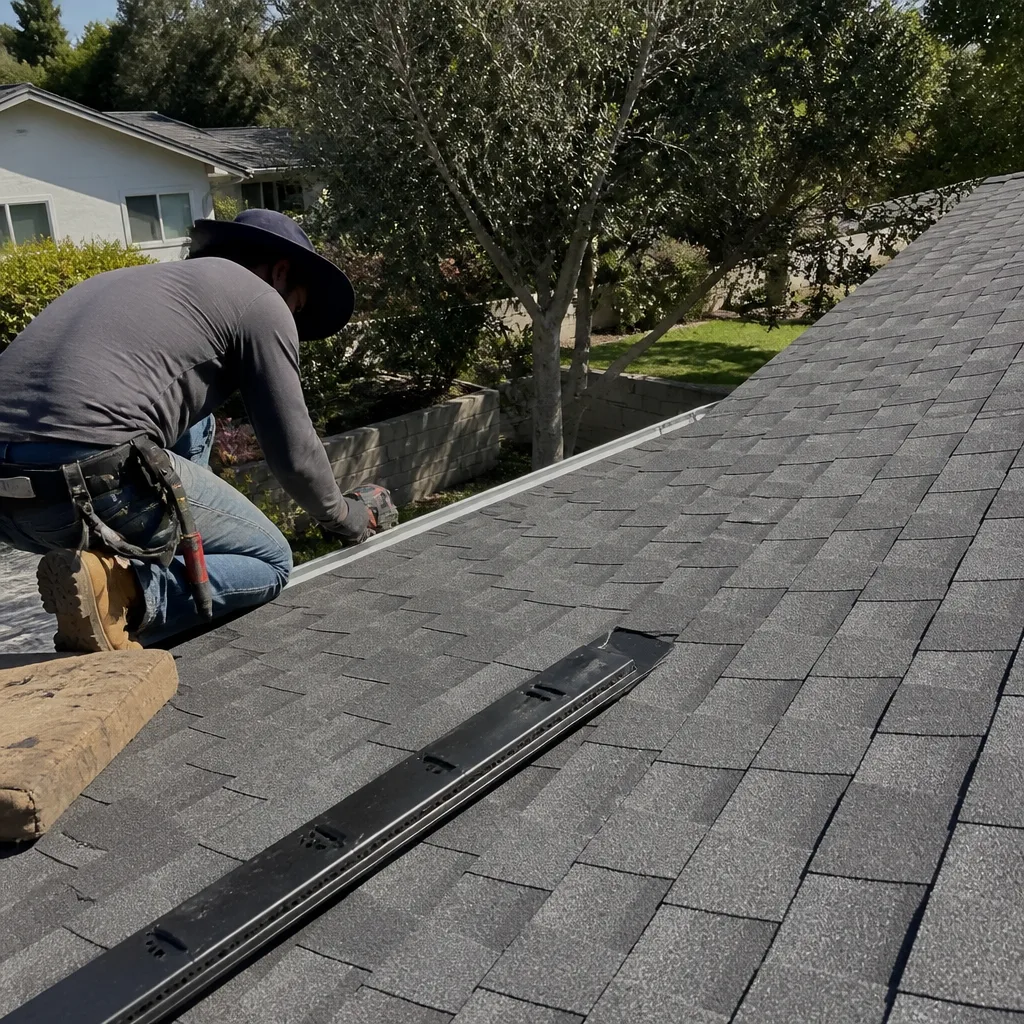 After
AfterReplacement Cost & What’s Included
For most Boral flashing replacement work in Woodland Hills, you’re looking at $350 to $900 installed. A single vent or pipe collar replacement runs on the lower end. A full sidewall flashing run, especially on a two-story home with stucco to cut away and re-seal, lands on the higher end. Chimney flashing, which usually means step flashing plus a counter-flashing detail, sits in the middle of that range depending on access and the chimney’s condition.
Every quote is a written line-item price delivered before any work starts. The number on the page is the number on the invoice, period. That price includes removal of the failed flashing, disposal, new flashing cut and installed to match your Boral profile, sealant, and a written workmanship guarantee. We don’t charge for a second visit if a repair fails within 365 days, and we stand behind every flashing replacement with our 365-Day Done Right Promise, in writing, included on every job. Give us a call and we’ll tell you what the job should cost before we ever set foot on the roof.
DIY or Call Us?
There’s a safe middle ground here. You can do a visual check from the ground or a ladder: look for lifted metal, missing sealant, or rust at the flashing seams. You can also check the attic after a rain and mark where the moisture is showing up. That information helps us pinpoint the problem faster.
What we don’t recommend is a homeowner on a roof trying to pull and replace flashing. Getting under the edges of Boral tile without cracking them takes the right tools and a certain touch, and the same goes for cutting into stucco at a sidewall. A small mistake with a pry bar turns a $500 flashing repair into a $2,000 tile replacement job. If you want to save money, the better move is to do the diagnostic work yourself and let us handle the repair. Call (650) 456-5615 and we’ll walk you through what to look for before we come out.
FAQs
Properly installed flashing on a Boral roof should last 20 to 30 years in the Woodland Hills climate, but the sealant joints typically need attention every 10 to 15 years. Our dry, hot summers plus the occasional hard winter rain put real stress on sealant, and that’s usually what fails before the metal itself does. Call (650) 456-5615 if you’re unsure how old your flashing is.
Sometimes, yes. If the metal is intact and only the sealant has separated, we can clean the joint and re-seal it for a few hundred dollars less than a full replacement. But if the metal is rusted through, bent, or improperly lapped, patching it is a temporary fix that will leak again. We’ll show you photos of the actual condition so you can make that call with your own eyes.
Most single-flashing replacements take 2 to 4 hours. A full chimney flashing detail or a long sidewall run can stretch to a full day, especially if stucco work and painting are involved. We’ll give you a firm time window before the job starts, and you can track our live arrival time so you’re not waiting around guessing.
We stock the most common Boral-compatible flashing profiles for concrete tile, clay tile, and Boral Steel, including step flashing, headwall flashing, valley flashing, and pipe collars. If your job needs a color-matched Boral Steel part that we don’t stock, we’ll order it and schedule the install as soon as it arrives. We also carry compatible flashing materials from GAF, Owens Corning, and CertainTeed for mixed-material roofs.
Flashing problems don’t fix themselves, and they don’t get cheaper while you wait. If you suspect a leak or you’ve already found one, call (650) 456-5615 for a free estimate. We’ll give you a written price, show up when we say we will, and send you before-and-after photos so you know exactly what was done. Every promise we make goes in writing, because a handshake doesn’t keep the rain out.
Written by Dylan Pace, Owner, Crestview Roofing Co Woodland Hills at Crestview Roofing Co Woodland Hills, serving Woodland Hills and nearby areas.