
Last updated October 17, 2026
 Metal roofing
 Architectural shingles
 Tile roofing
 GAF
GAF Owens Corning
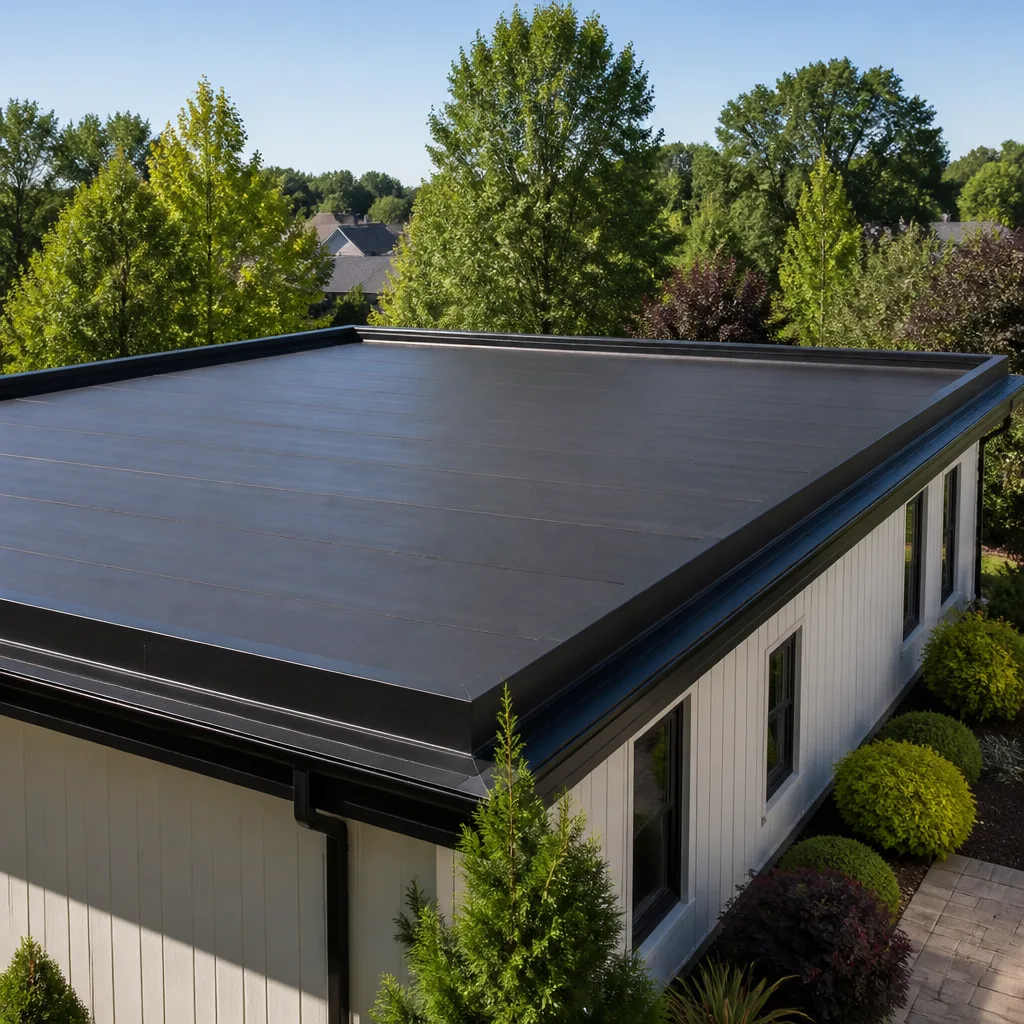 Flat & low-slope
Free roof inspection with deck photos before we talk money - GAF and Owens Corning certified installation
Roofing Warning Signs: A Woodland Hills Homeowner’s Reference Guide
The granules collecting in your gutters aren’t a problem, they’re a receipt. They tell you exactly how much your asphalt shingles have aged and roughly how many heat cycles they’ve survived. Most Woodland Hills homeowners sweep them out and throw away the only early warning they’ll ever get. This guide is different from The Complete Guide to Roofing in Woodland Hills and every other roofing warning sign list you’ve found. Most describe damage that’s already severe enough to see from the street. This one focuses on the earlier, subtler signals you can catch yourself, organized by where in the house you’ll notice them first, not by where the damage is on the roof. By the time you finish reading, you’ll know which signs mean “schedule an inspection this month” and which ones mean “call a roofer today.”
Quick Answer
The most reliable early roof warning signs in Woodland Hills show up in three places: your gutters (excess granules from asphalt shingles), your attic (light gaps, stained rafters, damp insulation), and your ceilings (faint discoloration that appears months before a visible leak). Granule loss beyond a thin dusting during one gutter cleaning usually means your shingles are in the second half of their lifespan. Cracked hip-and-ridge caps and slipped tiles are the two most common “looks fine from the street” issues we find on Woodland Hills roofs during routine inspections.
Styles & brands we work with
Table of Contents
- Granule Loss: Reading the Receipt in Your Gutters
- Attic Warning Signs: What You’ll See Before the Ceiling Does
- Hip and Ridge Cap Damage: Wind vs. Normal Wear
- Tile Roof Warning Signs Specific to Woodland Hills
- Documenting Warning Signs for Insurance Claims
- Common Mistakes to Avoid
- When to Call a Professional
- Frequently Asked Questions
Granule Loss: Reading the Receipt in Your Gutters
Granules are crushed stone embedded in the surface of asphalt shingles. They serve two jobs: blocking UV radiation and adding fire resistance. As shingles age, the asphalt layer that holds granules in place slowly breaks down under the San Fernando Valley sun. Woodland Hills gets roughly 280 sunny days a year, and those heat cycles are the primary driver of granule loss here, more than rain.
Here’s what granule volume actually tells you:
- A thin dusting across the bottom of the gutter after a full season is normal for shingles under five years old. You’ll barely fill a cupped palm.
- A half-cup or more in one gutter cleaning indicates a roof entering its middle-age years. For most 30-year architectural shingles from brands like CertainTeed or Owens Corning, this typically appears around year 12 to 15 in Woodland Hills heat.
- Enough granules to fill a coffee mug per downspout is a serious signal. Your shingles are shedding their UV armor. The underlying asphalt is now exposed to direct sun. You’re typically looking at a roof in its final third of life, and replacement planning should start now.
- Visible bare patches on shingles means granule loss has already progressed past the warning stage. At this point, repair may still be possible if localized, but isolated patch repairs on a heavily granule-shedding roof rarely hold because the surrounding shingles are equally tired.
How to Estimate Remaining Life From One Gutter Cleaning
Wait until the end of summer, before any rain washes gutters clean. Scoop everything from one downspout into a clear container. If the granules pile higher than two inches in a standard 16-ounce cup, your roof has likely passed the 60 percent mark of its rated lifespan. This isn’t a hard science, but it’s a close enough estimate to decide whether to call for an inspection now or wait another season.
One more thing: granules never lie about where they came from. If you have a one-story home with a two-story section, check the upper gutters. Heavy granule accumulation in upper gutters but light in lower ones can point to a specific slope failing faster, usually the west-facing or south-facing exposure that takes the brunt of afternoon Woodland Hills sun.
If you’re seeing this level of granule loss and want a professional read before committing to anything, our Roof Repair in Woodland Hills service includes a written assessment of remaining shingle life, with photos and a straight answer on whether repair or replacement makes more financial sense.
Attic Warning Signs: What You’ll See Before the Ceiling Does
By the time water reaches your drywall, it has already passed through the roof deck, insulation, and framing. The attic shows the problem months earlier. A roofer cannot repair what you cannot see, but you can see a lot in the attic without ever stepping onto shingles.
- Light gaps through the roof deck. Turn off the attic light during daylight hours and let your eyes adjust for two minutes. Any pinprick of daylight through the decking means a hole exists in the roof covering above it. Even without water, this is an entry point for embers during fire season. Woodland Hills sits in a Very High Fire Hazard Severity Zone, and a quarter-inch gap is enough for embers to lodge in the decking.
- Dark stains on rafters or decking. Staining means water has already saturated the wood at least once. The stain remains after the wood dries. Trace the stain upward; if it widens near a nail or seam, you’ve found the penetration point. If the wood feels soft when pressed with a screwdriver tip, the decking has begun to rot and will need section replacement before any new roofing goes on.
- Damp or clumped insulation. Fiberglass insulation loses most of its R-value when wet. In Woodland Hills, where attic temperatures can reach 140 degrees in August, wet insulation also becomes a mold risk. Clumped insulation near the eaves often indicates runoff that isn’t reaching the gutters because flashing has failed.
- White or black speckling on the underside of the roof deck. This is mold growth, and it only forms where moisture lingers. It tells you the leak is slow and steady rather than sudden, which often means the problem is a failed pipe boot or a cracked vent flashing rather than a missing shingle.
In our experience, roughly three out of four Woodland Hills roofs we inspect show some form of attic warning sign before any visible ceiling damage appears. The catch is that most homeowners never look. If you check your attic twice a year, in late spring and late fall, you’ll catch most problems while they’re still cheap to fix. For a full maintenance schedule, see our Seasonal Roofing Care for Woodland Hills: Year-Round Homeowner’s Guide.
Hip and Ridge Cap Damage: Wind vs. Normal Wear
Hip and ridge caps are the shaped shingles that cover the peaks and sloped intersections of your roof. They take more wind and more direct sun than any field shingle. In Woodland Hills, the Santa Ana winds each fall are the stress test that exposes failing caps.
Here’s how to tell the difference between immediate damage and normal aging:
- Lifted or curled cap edges. If you can see the underside of a cap from the ground, wind has broken the sealant bond. This is an immediate repair issue because one lifted cap gives wind a starting point to peel up adjacent caps. During a Santa Ana event, this cascades quickly.
- Cracked caps at the ridge line. A hairline crack running across the cap in line with the ridge is normal flex wear for caps over 10 years old. It should be scheduled for replacement but is not an emergency unless the crack has widened beyond a quarter inch or displaced entirely.
- Missing caps. If a cap is gone, the nails underneath are exposed. Water now has a direct path into the ridge. This needs repair before the next rain. Even without rain, exposed nails will loosen further with every wind event.
- Dark staining along cap edges. This is algae, not damage. It’s cosmetic and common on the north-facing ridges of Woodland Hills homes where morning fog lingers. Zinc or copper strips can slow it, but it does not shorten cap life meaningfully.
The key visual tell separating wind damage from wear: wind lifts caps cleanly at the bond line, leaving a visible gap where the sealant used to grip. Wear causes cracks through the middle of the cap itself, not at the overlap. If you see gaps at the overlap line after a Santa Ana event, especially on the windward side of the roof, document it with photos that same day for insurance purposes.
Cap replacement is one of the most common repairs we perform through our Roof Repair in Woodland Hills service, and it’s almost always less expensive than homeowners expect when caught before adjacent field shingles get involved.
Tile Roof Warning Signs Specific to Woodland Hills
Tile roofs are everywhere in Woodland Hills, from the 1960s ranch homes in Walnut Acres to the newer builds in Warner Center. Tiles fail differently than asphalt. They crack instead of shedding, and mortar crumbles instead of sealant failing. The most dangerous tile problems are the ones that look fine from the ground.
Hairline Cracking in Concrete and Clay Tile
Walk the perimeter of your home with a pair of binoculars and look specifically at the lower third of each visible tile. Hairline cracks there, especially on east-facing slopes, are early indicators of freeze-thaw or thermal fatigue. In Woodland Hills, the bigger culprit is thermal expansion: tiles heat to over 160 degrees in direct summer sun, then cool rapidly at night. This cycle eventually creates micro-fractures that widen over successive seasons.
A hairline crack is a warning sign, not an emergency. The tile still sheds water. But note where they cluster. Multiple hairline cracks within a four-foot radius suggest that section of tile was overstressed during installation or by a past impact and will need spot replacement.
Mortar Degradation at Hips and Ridges
Woodland Hills tile roofs traditionally use mortar to secure hip and ridge tiles. Mortar has a lifespan, typically 15 to 25 years depending on exposure. Warning signs include: white powdery residue below the mortar line (called efflorescence, it means water is moving through the mortar), visible gaps where mortar has crumbled away, and ridge tiles that wiggle visibly in high wind.
Loose ridge tiles are a genuine hazard. We’ve seen them slide off roofs and damage patio furniture, cars, and in one case a neighbor’s skylight. If your ridge tiles move, even slightly, during a Santa Ana event, keep people away from the areas below them until they’re re-secured.
Slipped Tiles That Look Fine From the Ground
A slipped tile happens when the tile shifts downslope, often by only an inch or two, breaking the overlap pattern. From the ground, the roof looks untouched. From above, there’s now a gap where the tile should overlap the next one, and rain running down the roof at speed can enter horizontally.
The way to catch these from the ground is to look for tiles that appear slightly darker or lower than their neighbors in a diagonal line. Slipped tiles also often expose a small patch of underlayment that appears as a dark line between tiles. During the next rain, check the gutter below suspicious areas. Slipped tiles typically cause water to enter the soffit at the eaves, not the living space, so the leak stays invisible longer.
For any tile issue, a proper climb-and-check is the only way to know the true scope. Our inspection process documents everything with photos before and after, so you can see exactly what was found and what was repaired.
Documenting Warning Signs for Insurance Claims
Insurance adjusters respond to documentation, not memory. A claim starts the day you photograph the warning sign, not the day the damage becomes undeniable. Here’s the documentation sequence that supports a claim rather than complicating one.
- Photograph the sign immediately. Use your phone’s timestamp, not screenshots. Take a wide shot showing where on the roof the issue is, a medium shot showing the section, and a close shot showing the specific crack, gap, or missing material. Add a pen or coin to close shots for scale.
- Log the weather event. If you noticed the sign after a specific storm or Santa Ana event, write down the date and wind speeds. The National Weather Service publishes this data publicly, and adjusters cross-reference it. A claim for wind damage filed two weeks after a 40 mph gust event is weaker than one filed two weeks after a 70 mph event.
- Photograph the interior counterpart. If you found a warning sign in the attic, photograph it from both the attic side and the ceiling side below, even if the ceiling looks clean. This establishes the vertical relationship between roof penetration and interior space.
- Keep your gutter evidence. If granule loss is part of the picture, photograph the granules you collect before disposing of them. Put them in a clear bag and write the date on the bag. This is especially useful if you’re documenting progressive deterioration over multiple seasons.
- Request a written inspection report. A roofer’s written report, with photos and a professional assessment of cause, is the most useful single document in any claim. Ask for one even if the finding is “no immediate action required.” It establishes a baseline that makes future comparisons impossible to dispute.
One caution: do not attempt temporary repairs before photographing and contacting your insurer unless water is actively entering the home. Documentation first, mitigation second, permanent repair third. If you’re unsure about the sequence for your specific situation, our team can walk you through it over the phone before scheduling anything.
Common Mistakes to Avoid
- Cleaning gutters without looking at what you’re cleaning. Every gutter cleaning is a free roof diagnostic. Before you bag the debris, check the granule volume and look up. Most missed warning signs in Woodland Hills are sitting in gutter debris that gets thrown away.
- Painting over a ceiling stain without finding the source. A ceiling stain is evidence. Paint hides it and resets the visual clock, but the moisture path through the decking is still there and still widening. The stain will return, usually darker, usually after the fix has become more expensive.
- Assuming a tile roof doesn’t need maintenance. Tile lasts decades, but the underlayment beneath it does not. A tile roof over aged underlayment is a leak waiting to happen. The original 1960s and 1970s tile roofs in Woodland Hills are on their second or third underlayment by now, and many are past due.
- Filing an insurance claim for granule loss alone. Granule loss is wear and tear, and most policies exclude it. Filing a granule-loss claim gets denied and creates a claims history that can affect premiums. Granule loss is a replacement-planning signal, not a claim trigger. Wind-damaged caps and slipped tiles are different stories.
- Ignoring warning signs on the side of the house you never see. Woodland Hills homes with two-story east-facing slopes often have serious sun damage on the side the homeowner never drives past. Walk all four sides of your home once a season with binoculars.
- Waiting until October to inspect. By October, Santa Ana season is close enough that repair scheduling gets tight. The best inspection months in Woodland Hills are May and June, when the weather is mild, roofing crews have availability, and any repair is comfortably done before fire season and the first fall winds.
- Choosing a roofer based on the lowest quote without a written scope. A verbal quote for “fixing the leak” is not a scope of work. A written price with a line-item description of materials, methods, and warranty terms is the only document that protects you. If a contractor won’t put it in writing before starting, walk away.
When to Call a Professional
Call a roofer when you find any of these: visible light through the roof deck, damp insulation, a missing hip or ridge cap, more than a coffee mug of granules in one gutter cleaning, a slipped tile, or a ceiling stain that appears after rain. These are not checklist items to monitor. They are known failure points that get more expensive every week they’re left open.
Also call if you’ve lived in your Woodland Hills home for more than 10 years and have never had a professional inspection. Roofs here age faster than national averages because of heat and UV exposure. An inspection that finds nothing is not wasted money; it’s a dated baseline that makes every future comparison more accurate.
We offer free estimates throughout Woodland Hills. Our inspections include written findings, dated photos, and a straightforward recommendation, whether that’s “monitor this” or “repair this now.” Call (650) 456-5615 to schedule yours.
Frequently Asked Questions
Twice a year is the right cadence for most Woodland Hills homes: once in late spring after the rainy season ends, and once in late fall before Santa Ana winds arrive. If you have large trees overhanging your roof, add a third check in mid-summer. These are visual checks from the ground and attic, not full professional inspections. A professional inspection every two to three years catches what ground-level checks cannot.
Heat and UV exposure cause the most common early failures here. The San Fernando Valley’s summer sun degrades asphalt shingle adhesive and tile mortar faster than coastal climates do. The second most common cause is wind from Santa Ana events, which lifts caps and shingles that have already lost sealant strength. Rain is a distant third in this climate; most leaks we repair trace back to heat-weakened material or wind damage, not heavy rainfall.
Most standard roof repairs in Woodland Hills run $350 to $800, covering things like replacing a few cracked tiles, resecuring lifted caps, or replacing failed flashing around a vent. Larger repairs, like section replacement of decking or re-mortaring an entire hip line, typically run $1,200 to $3,500. Every job we do comes with a written price before work starts, so the number you approve is the number you pay. Call (650) 456-5615 for a free estimate on your specific issue.
It depends on the cause. Insurance covers sudden and accidental damage, which includes wind damage from a specific Santa Ana event or damage from a fallen branch. It does not cover gradual deterioration like granule loss, mortar crumbling, or hairline cracking from age. The right approach is to document everything and ask your insurer specifically about the event that caused the damage. If the damage is wear-related, paying for repair out of pocket is usually the better long-term move than filing a claim that gets denied.
Most standard repairs take half a day to a full day once scheduled. Tile work can take slightly longer if replacement tiles need to be color-matched from a supplier. For our Woodland Hills customers, we provide a live trackable arrival time on the day of the job and send before-and-after photos so you can see the work without climbing a ladder. You’ll know who is coming and when they’ll arrive, which is how every roofing job should work.
Permit requirements in Woodland Hills depend on the scope. Simple repairs like replacing a few tiles or caps typically don’t require permits, but a full roof replacement or structural deck work does. On any permitted job, we handle the permit application, scheduling, and inspections on your behalf. We’ll tell you upfront in writing whether your job requires a permit, so there’s no surprise at any point in the process.
The Bottom Line
Roof warning signs in Woodland Hills show up in your gutters, your attic, and the skyline around your home before they ever show up as water on your living room floor. The granule volume in your gutters is a lifespan meter for asphalt shingles. Light gaps and stained rafters in the attic are leak warnings that predate ceiling damage by months. And on tile roofs, the dangerous problems are the ones that look fine from the street: hairline cracks, crumbling mortar, and slipped tiles. Check on a schedule, document what you find, and don’t paint over evidence. For more guides & resources, visit our blog. The earlier you catch a roof problem in Woodland Hills, the more likely it is to be a $600 repair instead of a $6,000 one.
Written by Dylan Pace, Owner at Crestview Roofing Co Woodland Hills, serving Woodland Hills since 2000.
See the difference
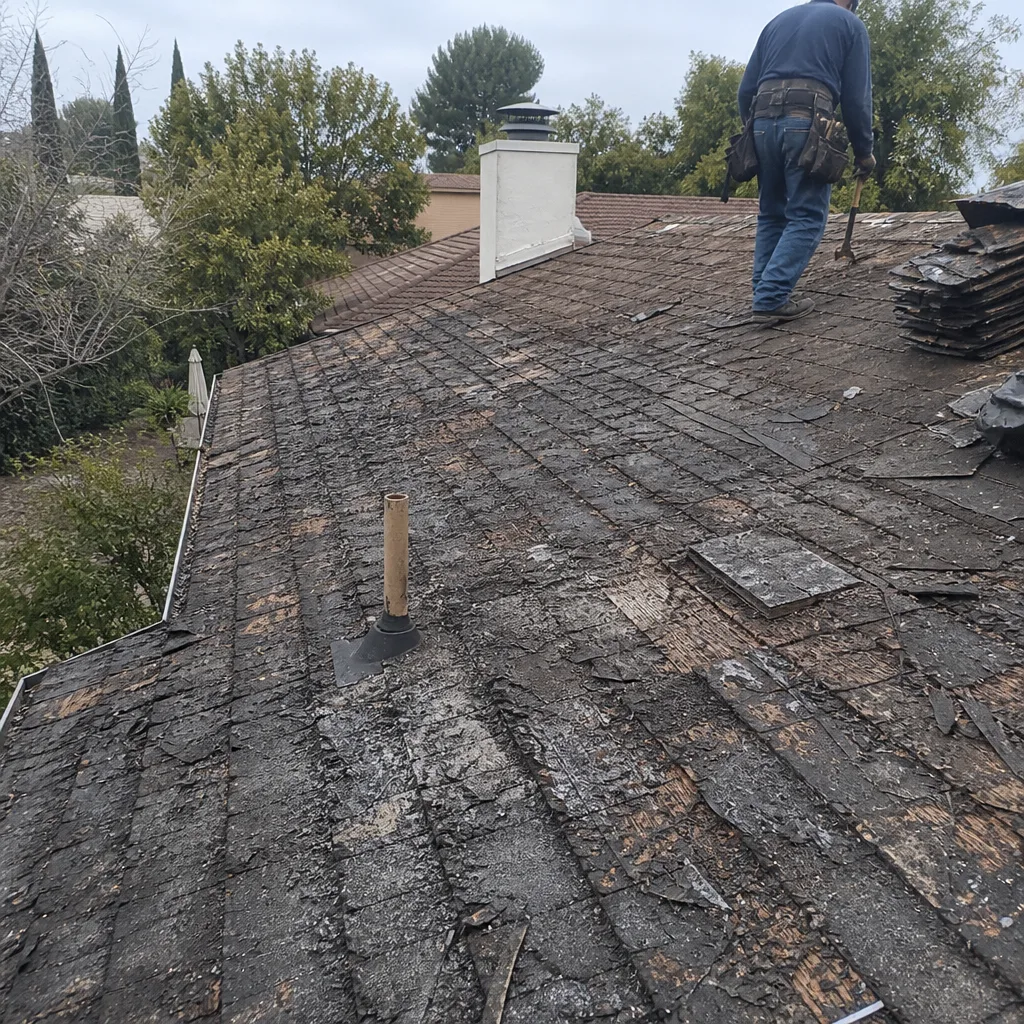 Before
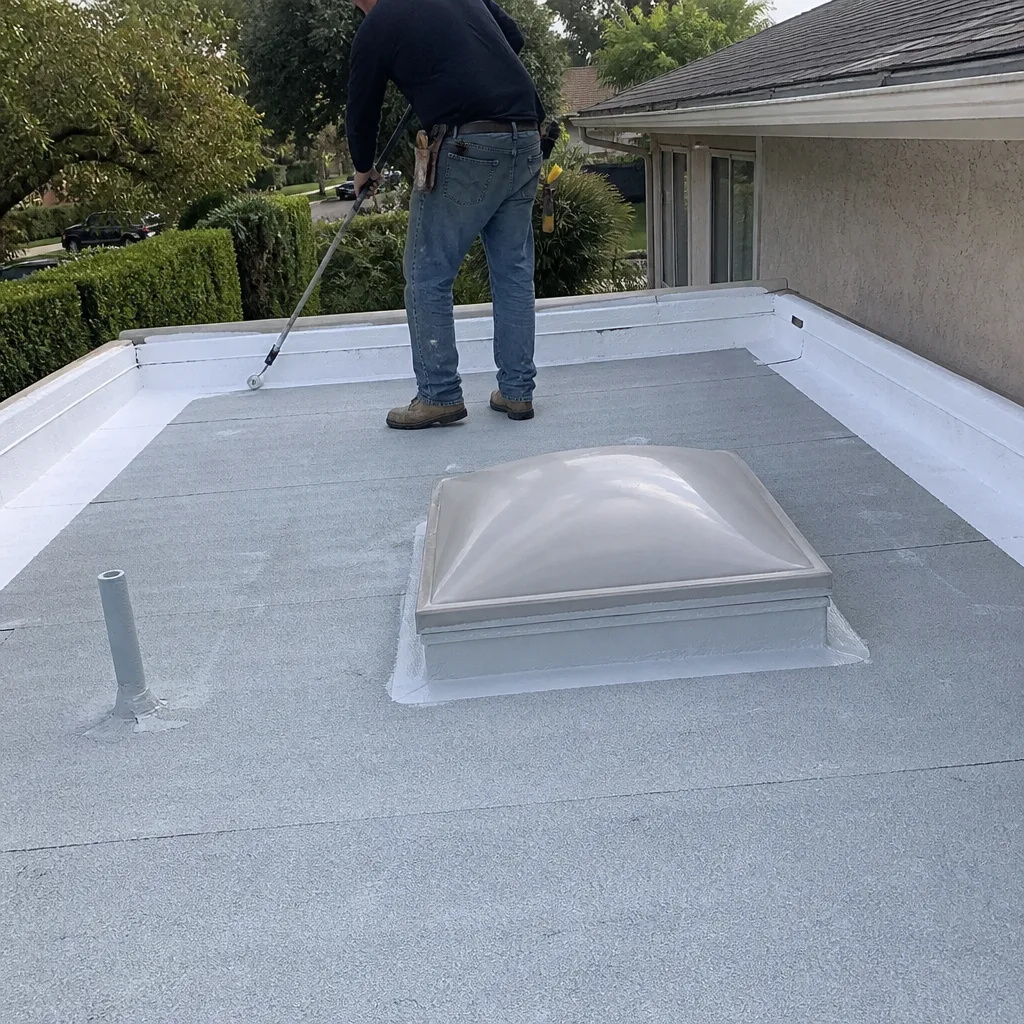 After
After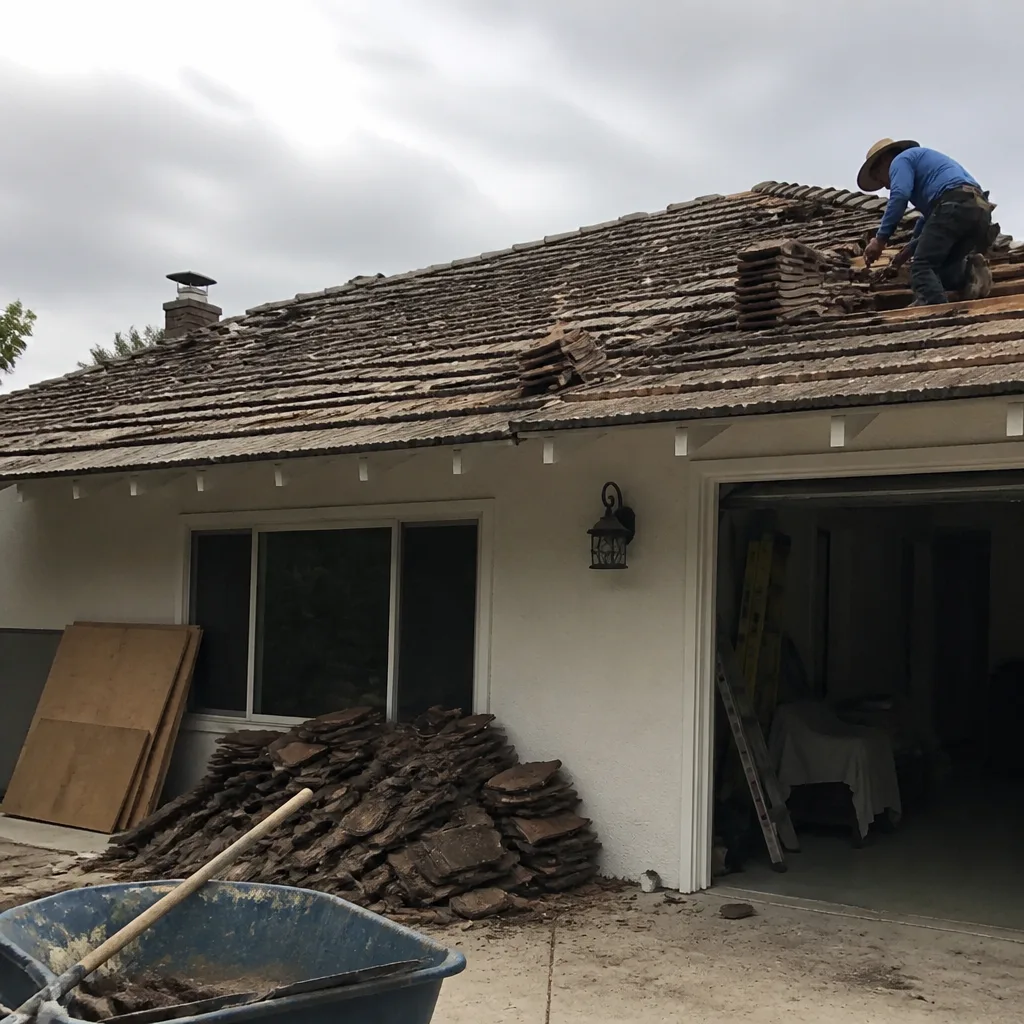 Before
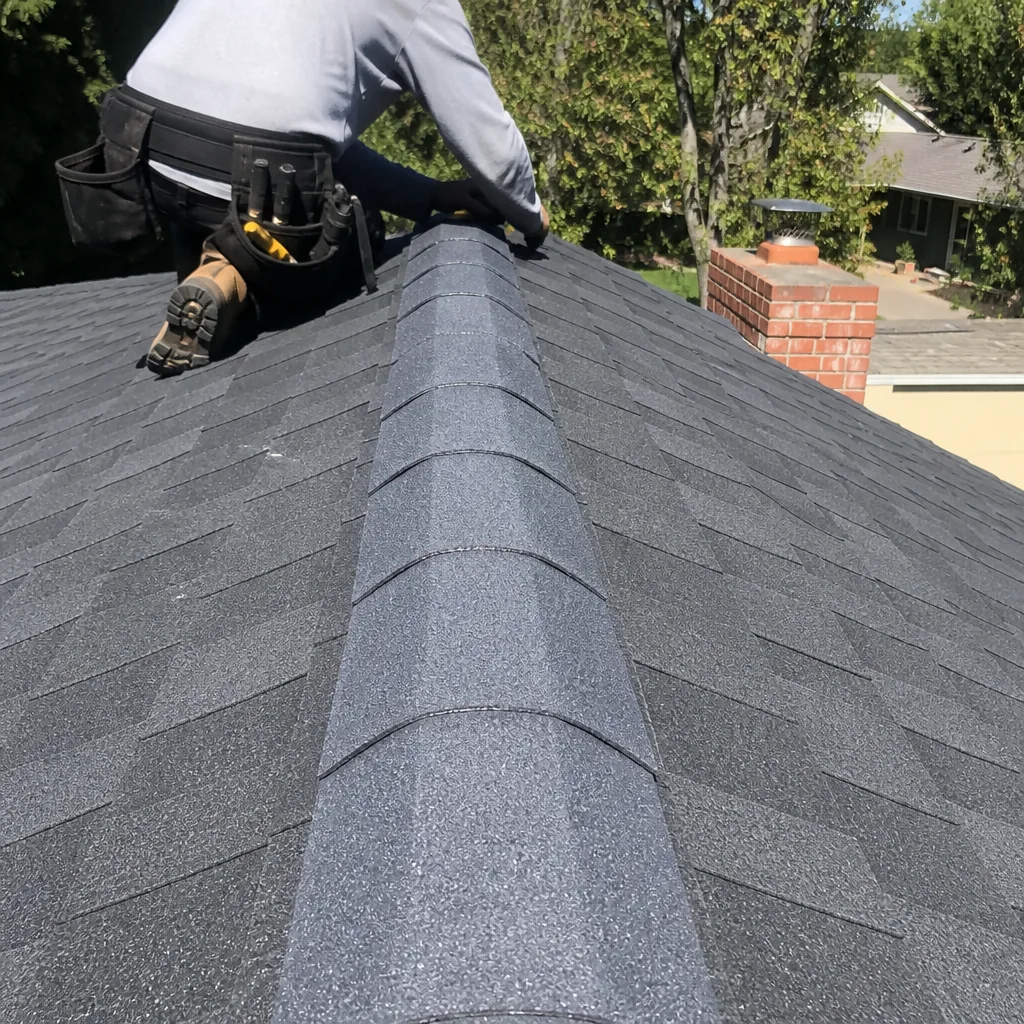 After
After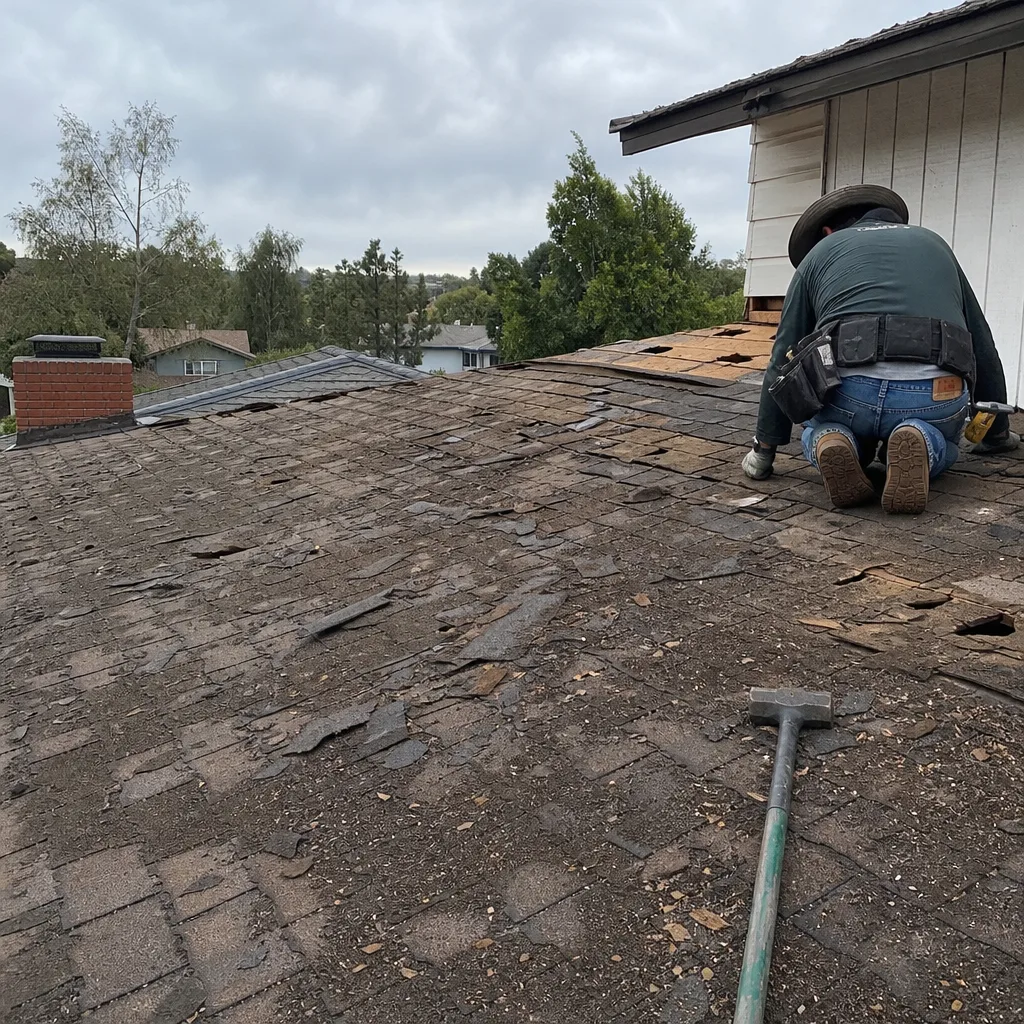 Before
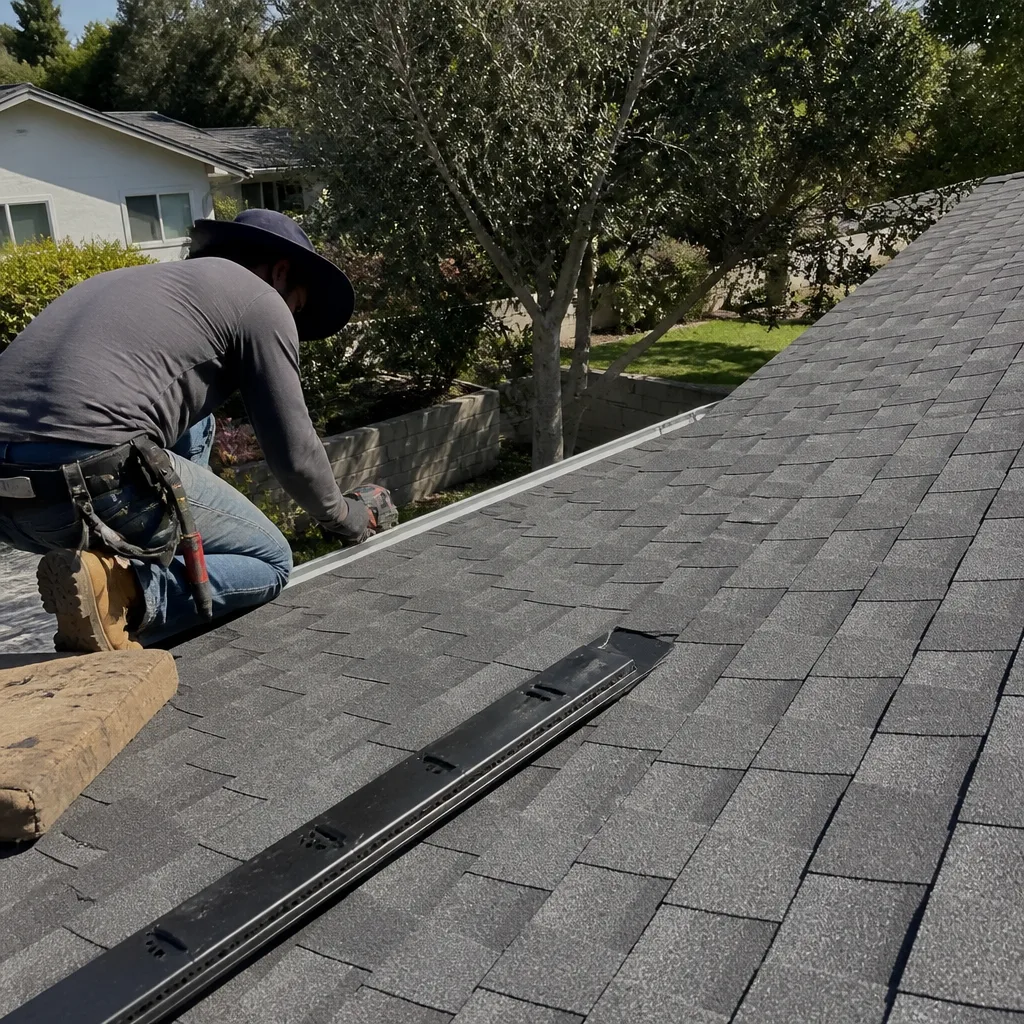 After
After