
Last updated October 17, 2026
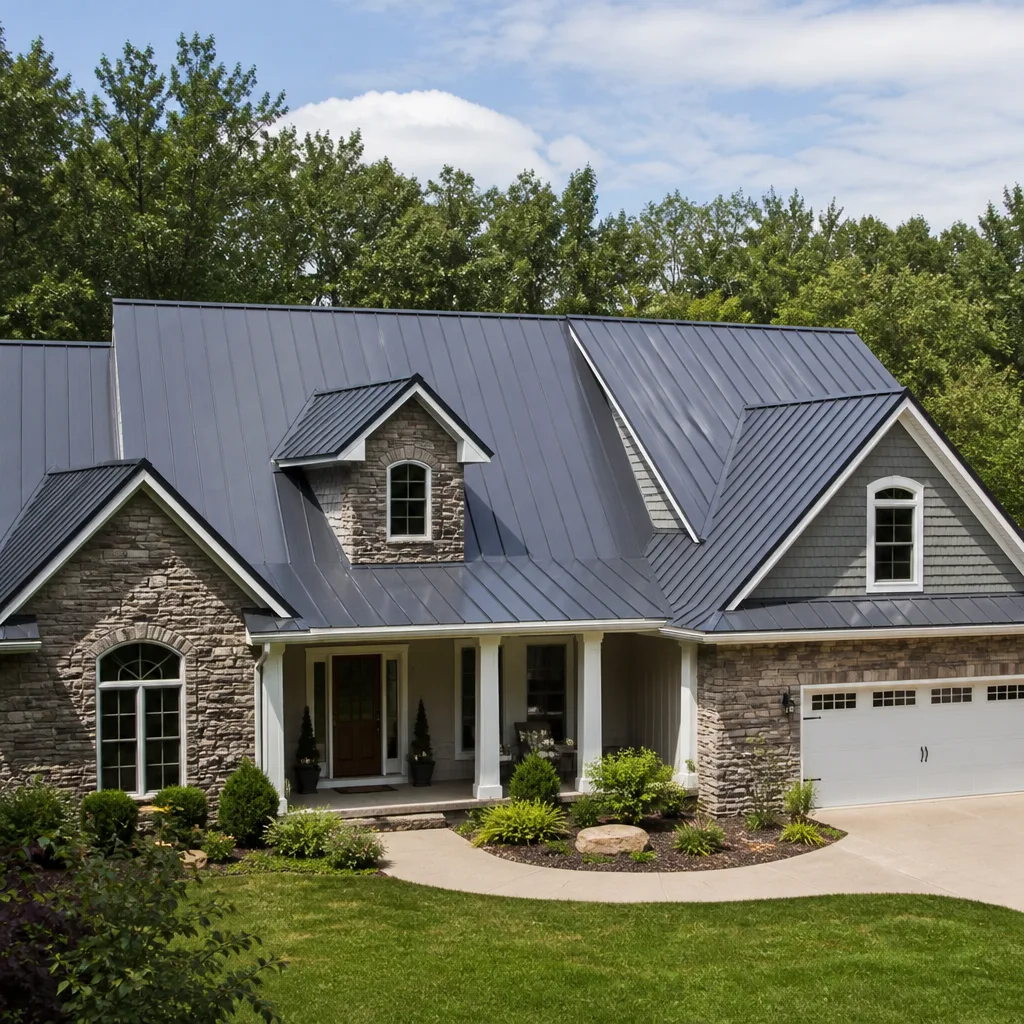 Metal roofing
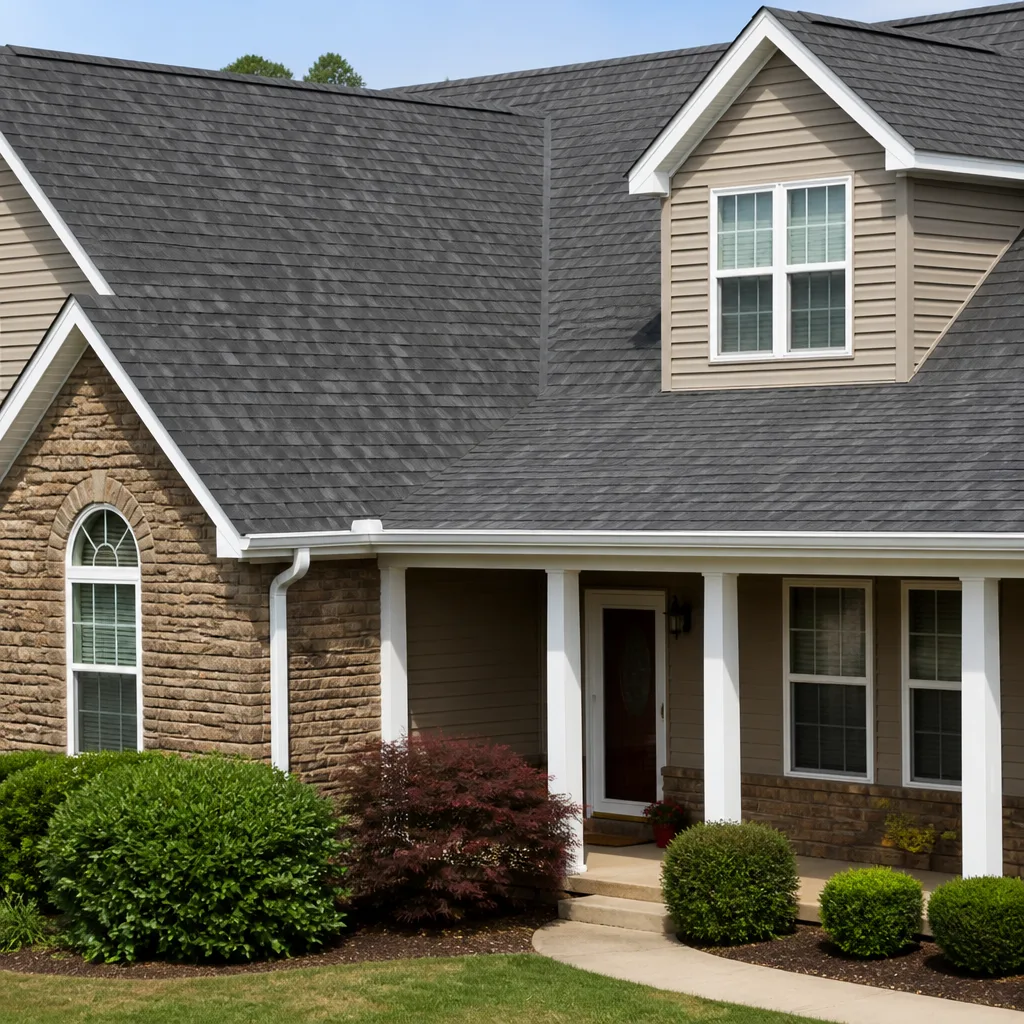 Architectural shingles
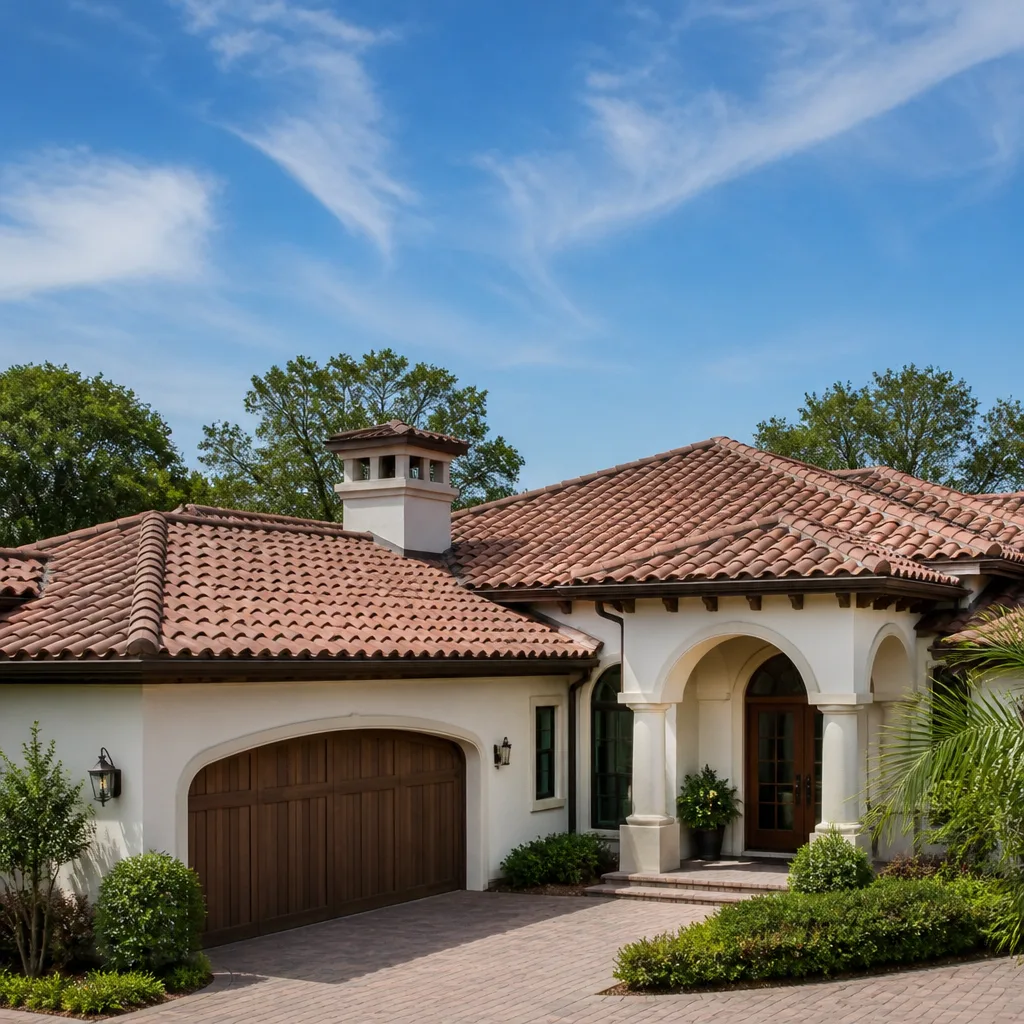 Tile roofing
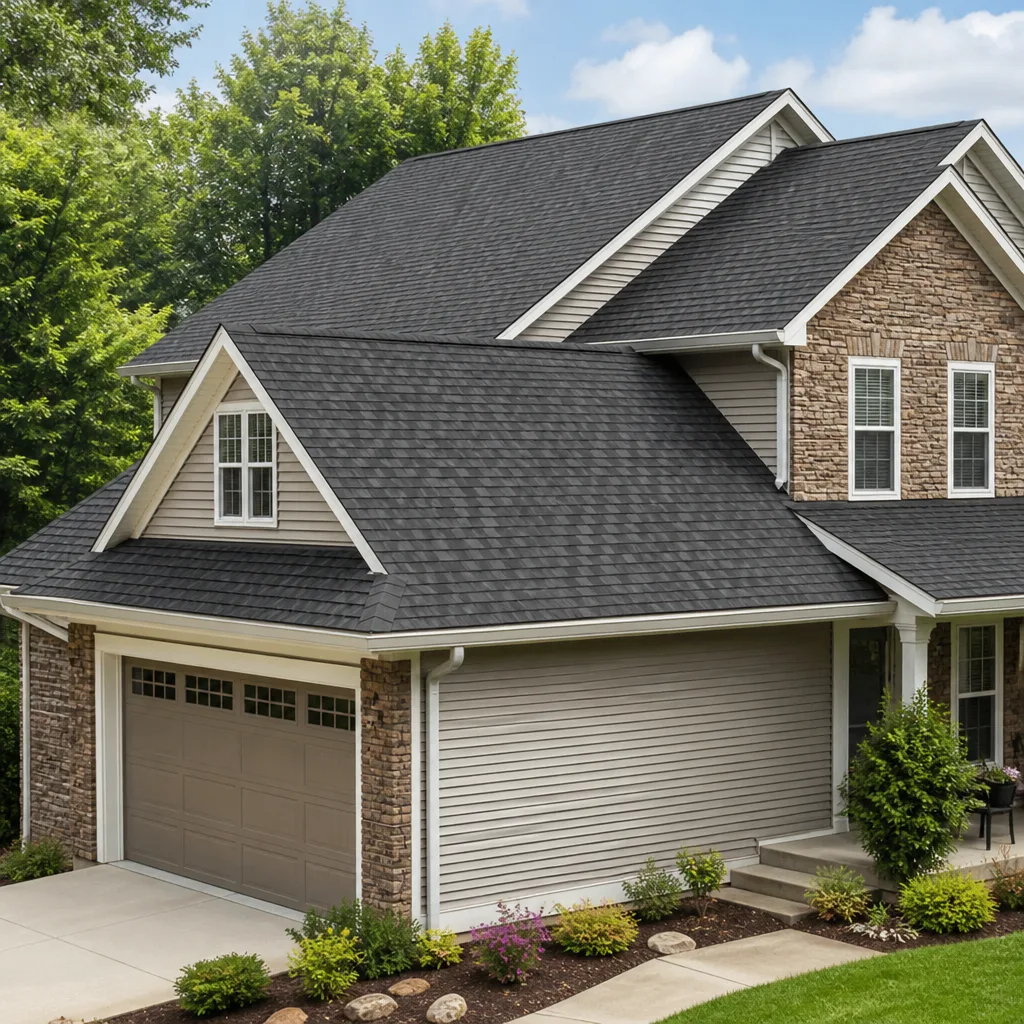 GAF
GAF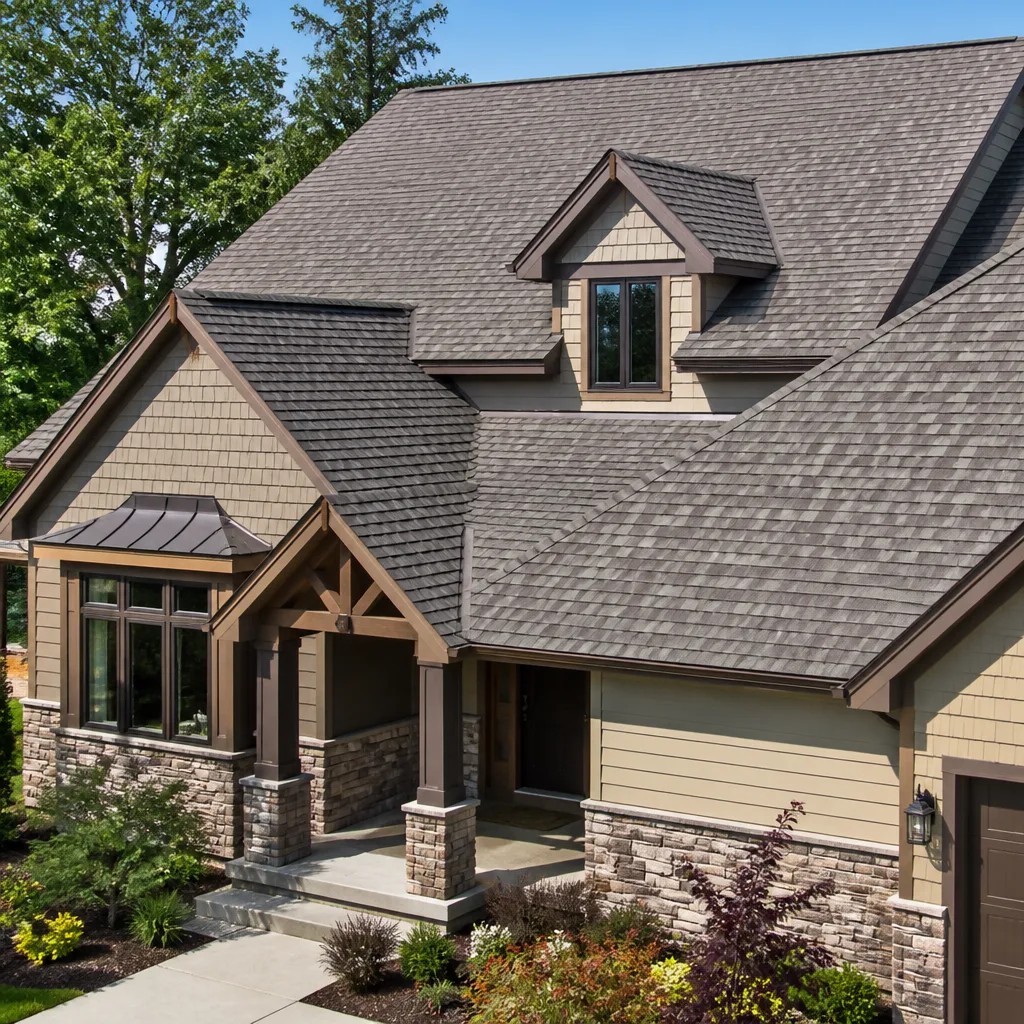 Owens Corning
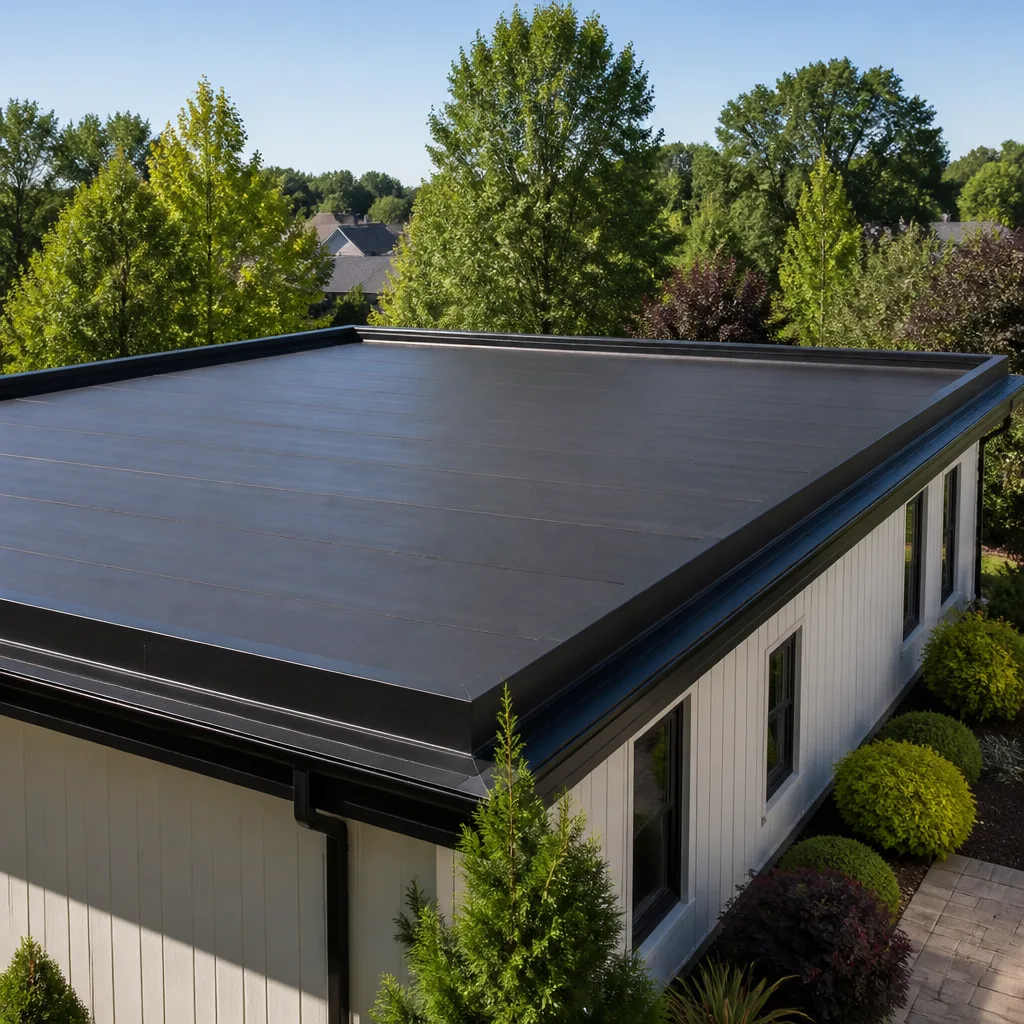 Flat & low-slope
Free roof inspection with deck photos before we talk money - GAF and Owens Corning certified installation
The Complete Guide to Roofing in Woodland Hills
Most roofing guides written for “Los Angeles” homeowners were researched at sea level, where the air is soft and the wind is an afterthought. Woodland Hills sits at 900+ feet, faces the Simi Valley wind corridor, and recorded 117°F in 2021 – the hottest temperature ever measured in LA County. Generic advice doesn’t survive up here. This guide treats Woodland Hills as its own roofing environment with its own rules: what the wind does to fasteners, what the sun does to shingles, what the fire maps mean for your underlayment, and what a roof actually costs in this specific ZIP code territory, not a national average.
Quick Answer
Roofing in Woodland Hills means choosing materials and installation methods built for extreme heat, Santa Ana wind gusts that regularly hit 50 – 70 mph, and wildfire ember exposure near the urban-wildland interface. A full roof replacement here typically runs $14,000 – $28,000 depending on material, pitch, and square footage. The smartest move is a Class A fire-rated system installed with high-wind fastener schedules and documented in writing, which is exactly how Crestview Roofing Co Woodland Hills home approaches every job in this valley.
Styles & brands we work with
Table of Contents
- Why Woodland Hills Wind Changes How Your Roof Is Built
- Class A Fire Ratings Near the Wildland-Urban Interface: What It Actually Means
- The Real Cost of a Woodland Hills Roof Replacement
- How to Read a Los Angeles County Roofing Permit
- Title 24 Cool Roof Rules: What Qualifies and What Doesn’t
- Material Options That Hold Up in Woodland Hills Heat and Wind
- How to Choose a Roofer Without Getting Burned
- Maintenance Rhythms for a Longer-Lasting Woodland Hills Roof
Why Woodland Hills Wind Changes How Your Roof Is Built
Woodland Hills sits directly in the path of what meteorologists call the Santa Ana wind corridor, a channel of air that accelerates as it funnels through the Simi Valley and down toward the 101. In October and November especially, sustained winds of 30 – 40 mph with gusts to 70 mph aren’t rare. That’s not a roofing footnote. It’s a design condition.
Most standard roofing installations in California follow a baseline fastener schedule: four nails per shingle for slopes up to a certain pitch. But when a roof faces sustained uplift pressure, the weak points aren’t the shingles themselves. They’re the edges. Ridge caps, rake edges, and the first few courses at the eaves catch the most wind force, and when they go, the rest of the field follows like a zipper. In the north Woodland Hills neighborhoods near the Ventura Boulevard corridor and up toward El Camino and Valley Circle, we regularly see wind damage concentrated at the eaves and around dormer corners, which tells us the original installation didn’t account for local uplift.
What actually matters here:
- Fastener count and placement. For high-wind exposure, six nails per shingle is standard, and placement has to hit the manufacturer’s nailing strip precisely. Missing the strip by half an inch under a 70 mph gust is how shingles peel.
- Underlayment choice. Synthetic underlayment holds better than felt paper in high winds because it resists tearing when shingles lift during installation and after. In Woodland Hills, we recommend a synthetic underlayment rated for 110 mph+ uplift as a starting point.
- Edge metal. Drip edge, rake metal, and ridge cap fastening pattern. Loose ridge caps are the single most common wind damage we see in Woodland Hills, and it’s preventable at installation.
- Sealant cure time. Shingles need warm weather for their adhesive strips to bond. In Woodland Hills, the hot valley sun actually helps here, provided the installer doesn’t work too quickly in summer heat that makes shingles brittle during handling.
The practical takeaway: ask your contractor whether the installation plan includes a high-wind nailing pattern and synthetic underlayment. If the answer is a blank stare, keep looking. For a deeper look at what wind damage repair involves, see our Roof Repair in Woodland Hills guide.
Class A Fire Ratings Near the Wildland-Urban Interface: What It Actually Means
Woodland Hills borders open space on multiple sides. The neighborhoods south of the Ventura Freeway back up to the Santa Monica Mountains. Upper slopes around the western edge sit directly against the urban-wildland interface, where Cal Fire maps mark severe fire hazard zones. If your home is in one of these zones, your roof isn’t just keeping rain out. It’s the single largest surface on your house that embers can land on and ignite.
Class A is the highest fire rating for roofing materials, tested against flame spread and ember penetration. But there’s a nuance most guides miss. A “Class A roof system” is not the same as “Class A shingles.” The assembly matters. An ember that lands on a Class A shingle can still find its way under the eaves, ignite a combustible underlayment, or slip into a gap at the ridge. What you want is a system approach: Class A shingles over a fire-resistant underlayment with properly installed edge metal that closes the gaps.
What to check, step by step:
- Ask for the specific product’s Class A rating, not just a verbal promise. GAF, CertainTeed, Owens Corning, and Tamko all make Class A shingles, but not every line from every brand carries the rating.
- Verify the underlayment. In WUI zones, a fiberglass-reinforced or synthetic underlayment with a fire rating is standard practice.
- Inspect the venting and gaps. Soffit vents, gable vents, and ridge vents all create openings where embers can enter. Modern ember-resistant vent covers are an inexpensive, high-value addition.
- Look at the edges. Gaps at the drip edge or rake are entry points. Edge metal needs to be continuous and properly overlapped.
In our experience, most Woodland Hills homes that sit at least two streets back from open space don’t require anything beyond a standard Class A system. But for the hillside properties above Valley Circle and along the Topanga corridor, the details matter as much as the material. The right roof won’t make your home fireproof. It will make your roof not the reason the house burns.
The Real Cost of a Woodland Hills Roof Replacement
National averages are not useful here. Woodland Hills pricing reflects local labor markets, access conditions on hillside lots, permit fees from Los Angeles County, and disposal costs that have climbed every year since 2020. Here’s what a full replacement actually costs in this market, based on typical single-family homes of 1,800 – 2,600 square feet.
| Material Type | Cost Range (Installed) | Lifespan in Woodland Hills | Notes |
|---|---|---|---|
| Architectural asphalt shingles (mid-grade, Class A) | $14,000 – $19,000 | 22 – 30 years | Most common choice. Best value for wind and heat exposure when installed with 6-nail pattern. |
| Upgraded asphalt (CertainTeed, GAF designer lines) | $18,000 – $24,000 | 30 – 40 years | Heavier shingles, better wind ratings, deeper color options that hide heat fading. |
| Standing seam metal | $28,000 – $44,000 | 50+ years | Excellent for wind and fire, but expect to pay for structural review and possibly additional framing reinforcement. |
| Concrete tile (Boral or similar) | $26,000 – $38,000 | 50+ years | Must confirm structural capacity. Tile is heavy, and many hillside homes need engineering review before installation. |
| Flat/low-slope roof (TPO or modified bitumen) | $12,000 – $18,000 for typical flat section | 20 – 30 years | Common on mid-century Woodland Hills homes. Requires annual inspection because ponding leads to early failure. |
What drives the number up in Woodland Hills:
- Pitch. Steep roofs on hillside lots cost more per square because installers work slower and safety equipment is required. A 7/12 pitch hillside roof can run 15 – 20% more than a 4/12 pitch ranch house.
- Access. If the property has limited driveway or staging room, material delivery and debris removal cost more.
- Deck repairs. Roughly 30 – 40% of Woodland Hills replacements reveal deck damage once the old roof comes off. Budget for sheathing replacement of $2.50 – $4.00 per square foot if the deck is compromised.
- Layers. If you’re removing two existing layers rather than one, disposal costs rise. Los Angeles County allows a maximum of two layers before you must tear off.
The best protection against drift between the first quote and the final invoice is a written price before any work starts. It should spell out the cost of deck replacement per sheet, the disposal fee, and the permit cost. If any of those line items says “TBD,” you don’t have a finished number. We put every number on the page before the first nail goes in. For a fuller breakdown, read our Roof Replacement in Woodland Hills guide.
How to Read a Los Angeles County Roofing Permit
Every roof replacement in Woodland Hills requires a permit from Los Angeles County Building and Safety. Repairs under 100 square feet generally don’t, but anything larger, structural, or involving replacement of the roofing system does. A legitimate contractor pulls this permit before work starts. It’s not a formality. It’s the document that triggers inspections, verifies that the installation meets current code, and protects you when you try to sell the house with unpermitted work on record.
Here’s how to read the permit, in plain words:
- Permit number and date. Check that the date is before the tear-off started. A permit pulled after the work began is a red flag.
- Job address. It should match your property exactly. Typos happen, but an address for a different property means the permit is not yours.
- Work description. It should say “reroof,” “tear off and re-roof,” or similar. Look for the specific material listed. If the description says composition shingles but the crew is installing tile, the permit doesn’t cover what’s being done.
- Number of layers being removed. The permit should state whether this is a one-layer or two-layer tear-off.
- Declaration of Class A or Class B rating. In designated fire hazard zones, the permit application must declare the fire rating of the new system. If your home is in a WUI zone, Class A should be on that line.
- Contractor’s license number. Verify it matches the company you hired and that the license is active on the Contractors State License Board website.
An inspection is scheduled after the underlayment is installed and again at final completion. If a contractor tells you they don’t need a permit for a full replacement, that’s not convenience. That’s a liability they’re handing you.
Title 24 Cool Roof Rules: What Qualifies and What Doesn’t
California’s Title 24 energy code requires certain roofs in Los Angeles County to meet cool roof standards, which means the roof reflects more solar energy and radiates less heat back into the attic. This was written for places like Woodland Hills. When the temperature hits 110° on the shingles, the attic below can reach 140 – 150° if the roof has low solar reflectance. A cool roof under Title 24 can cut that attic temperature by 20 – 30°, which directly reduces cooling loads.
What qualifies under Title 24 for steep-slope roofs (greater than 2:12 pitch):
- Shingles with a CRRC-listed aged solar reflectance of 0.20 or higher and a thermal emittance of 0.75 or higher. Most major brands GAF, CertainTeed, Owens Corning, and Tamko offer lines that meet this, typically in lighter color families.
- Tile with a CRRC-listed high solar reflectance. Concrete tile from Boral, especially in light earth tones, clears this bar easily.
- Metal roofing with a reflective coating or paint system. Standing seam in lighter colors is the highest performer.
- For low-slope roofs, a solar reflectance of 0.63 or higher and thermal emittance of 0.75 or higher, which typically directs you toward white TPO or reflective coatings.
The curb appeal tension is real. Not every homeowner wants a white roof on a Spanish-style Woodland Hills house. The good news is that manufacturers have expanded their “cool” color options significantly. GAF’s Timberline CS line and CertainTeed’s Landmark Solaris line both carry cool ratings in colors that aren’t just white. You can meet Title 24 without making your home look like a warehouse. Just confirm the specific color’s CRRC rating before you commit.
One more thing: if you’re replacing an existing roof and the work exceeds 50% of the roof area, Title 24 compliance is triggered. A contractor who says “don’t worry about it” is not doing you a favor.
Material Options That Hold Up in Woodland Hills Heat and Wind
Woodland Hills has a particular set of stresses, and each material handles them differently.
Architectural Asphalt Shingles. The workhorse. In Woodland Hills, the two killers are UV degradation and wind uplift. Modern laminated shingles from GAF and CertainTeed have fiberglass reinforcement and UV-resistant granule coatings that hold color longer than older formulations. The key to local performance is installation: six-nail patterns in high-wind areas, proper sealant activation, and no installation on days above 95° when shingles become brittle and tear during nailing. See our DIY vs Professional Roofing: The Woodland Hills Homeowner’s Decision Guide for why these details matter.
Concrete Tile. Boral tile is heavy, fireproof, and highly wind-resistant when properly fastened. But it requires a structural evaluation because a tile roof can weigh 600 – 900 pounds per square. Mid-century Woodland Hills ranch houses haven’t always got the load capacity. When the structure supports it, tile is excellent for the long term and nearly immune to UV degradation. The tradeoff is cost and the labor skill required: tile installation mistakes are expensive and hard to fix.
Standing Seam Metal. The best wind performance in this area, full stop. Metal roofs interlock, transfer uplift loads mechanically rather than relying on adhesive strips, and carry Class A fire ratings inherently. They’ve also got the highest Title 24 cool roof performance. The cost is significant, and the installer pool in Woodland Hills is smaller than for asphalt. But for hillside homes with direct wind exposure, it’s a legitimate long-term solution.
Flat Roof Systems (TPO, Modified Bitumen). Many Woodland Hills homes built in the 1950s and 1960s have flat or near-flat roof sections over additions or patios. TPO is the current standard for this application because it’s reflective, welded at the seams, and relatively straightforward to repair. Modified bitumen is the older standard and still works well when properly installed. The local failure mode we see most is ponding water, which happens when the original roof deck has sagged over time. Fixing the drainage and deck slope is as important as the membrane itself.
When you’re choosing, think about the whole system, not a shingle sample. Underlayment, ventilation, edge metal, and fastener schedule work together. Ask the contractor which specific products they’d pair for your slope and exposure. If they can’t answer in technical detail, that’s an answer in itself. For what a new roof installation involves from start to finish, see Roof Installation in Woodland Hills.
How to Choose a Roofer Without Getting Burned
Roofing has a persistent problem, and it’s worse in high-value areas like Woodland Hills: the gap between what a contractor promises on day one and what they deliver at the end. Dylan Pace has seen the same pattern enough times to know exactly where it goes wrong. Here’s how to avoid it.
1. Get a written price before work starts. Not an estimate with “subject to change” language. A written price that itemizes materials, labor, tear-off, disposal, and permit fees. If the number on the invoice doesn’t match the number on the quote, you have a problem. At Crestview Roofing Co Woodland Hills, the written price is a fixed commitment, not an opening offer.
2. Verify the contractor’s license and insurance. A roofing contractor in California must hold a C-39 license. Check it on the CSLB website. Verify workers’ compensation insurance. If a contractor has no workers’ comp and someone gets hurt on your roof, that’s your problem.
3. Ask about the guarantee in writing. A repair should carry a written warranty. Not “trust me.” Written. Our 365-Day Done Right Promise covers every repair for a full year, including a free second visit if the repair fails. That’s the standard you should hold every roofer to.
4. Look at the documentation process. A roofer who gives you before-and-after photos and a digital invoice is operating at a different level of accountability than one who hands you a carbon-copy ticket. This is what we call The Relay Standard: a written price up front, photo documentation, a live trackable arrival time, and a digital invoice by text. You should know exactly who is arriving, when, and what was done.
5. Don’t chase the cheapest number. In Woodland Hills, a lowball quote usually means one of three things: no permit, no workers’ comp, or a change order waiting to happen once the deck comes off. The cheapest roofer is the most expensive one you’ll hire twice.
Maintenance Rhythms for a Longer-Lasting Woodland Hills Roof
Woodland Hills roofs fail predictably. There are visible signals if you know what to look for, and there’s a rhythm to when to check-follow our Roof Repair Maintenance Checklist for Woodland Hills Homeowners.
After Santa Ana wind events. Every major wind event in October and November should trigger a quick visual check. Walk the perimeter, look for lifted shingles at the eaves and rakes, and inspect the ridge cap from the street. If you see loose tabs flapping, call for a repair before the next rain. Santa Ana season ends, and the rains in January and February find every opening.
Before the rainy season. October is the key month in Woodland Hills. Clean valleys and gutters of leaf and debris buildup from the oak and eucalyptus trees common in the area. Blocked valleys back water up under the shingles and cause premature failure at the most vulnerable point of the roof.
Twice a year: check the penetrations. Flashing, the metal strips that seal joints around chimneys, vents, and skylights, is the most common leak source. Over time, the sealant at these joints dries and cracks in the valley heat. A visual inspection of all penetrations twice a year catches most problems before they become ceiling stains.
After extreme heat stretches. Woodland Hills regularly sees multiple days over 105° in July and August. The adhesive strips on shingles can activate, then re-cure and re-activate repeatedly, which is normal. But the granule loss from extreme UV exposure accelerates, and the first sign is granules collecting in gutters. If you’re seeing heavy granule loss on a roof under 12 years old, the material is aging faster than expected.
Common Mistakes to Avoid
- Installing a new roof over old shingles without checking the deck. A re-cover saves money in the short term and hides deck damage. In Woodland Hills, where the deck often takes a beating from heat cycling, a tear-off reveals what you actually have before you pay for 25 years of roof.
- Ignoring the ventilation system. A hot attic in Woodland Hills doesn’t just cost energy. It bakes the shingles from below, shortening lifespan. Ridge and soffit ventilation have to balance, and the original mid-century homes often weren’t built with either.
- Choosing shingle color only by appearance. Dark shingles on a Woodland Hills roof in August are 20 – 30° hotter at the surface than light shingles. This isn’t aesthetic. It’s lifespan and energy cost.
- Hiring a contractor without checking CSLB status. The fastest way to lose money in Woodland Hills is to hire an unlicensed crew that disappears after the first rain. Check the license, every time, no exceptions.
- Waiting until a small leak becomes a ceiling stain. By the time water shows up inside, the roof has been leaking long enough to damage insulation, decking, and possibly framing. In Woodland Hills’ dry climate, the initial leak often happens during a winter storm and isn’t noticed until months later when the damage has spread.
- Skipping the permit. Unpermitted roof work is a title problem, an insurance problem, and a code problem. Any legitimate contractor pulls the permit. Period.
- Not reading the written warranty. A verbal warranty is worthless. The written document tells you what’s covered, for how long, and what voids it. Read it before you pay the final invoice.
See the difference
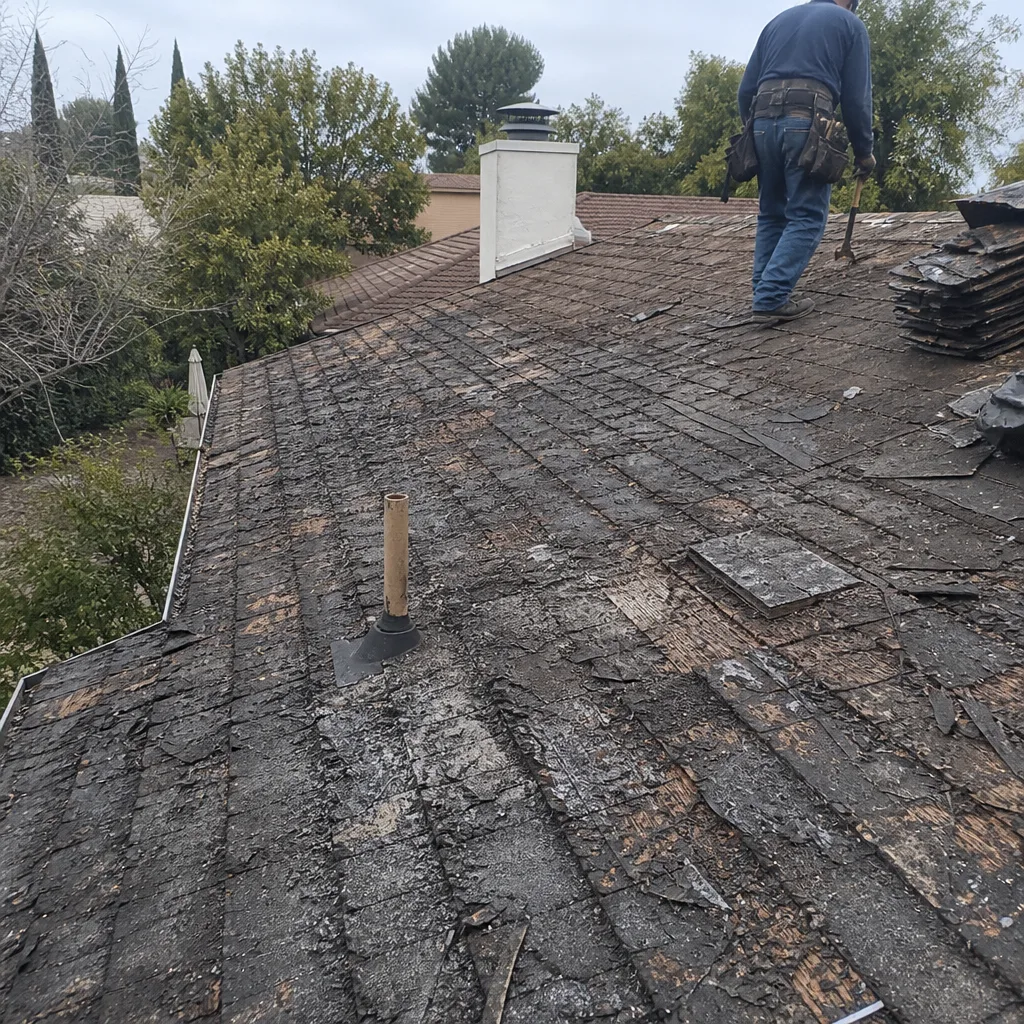 Before
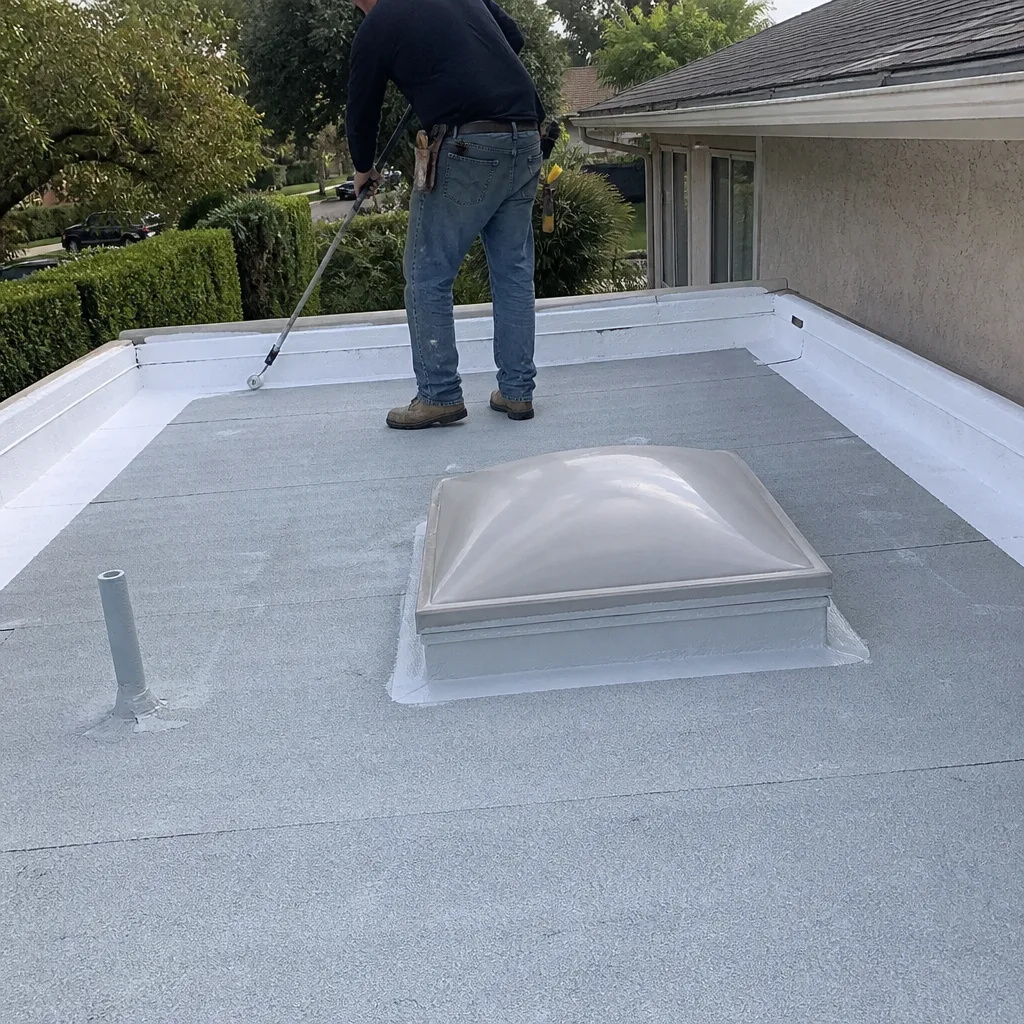 After
After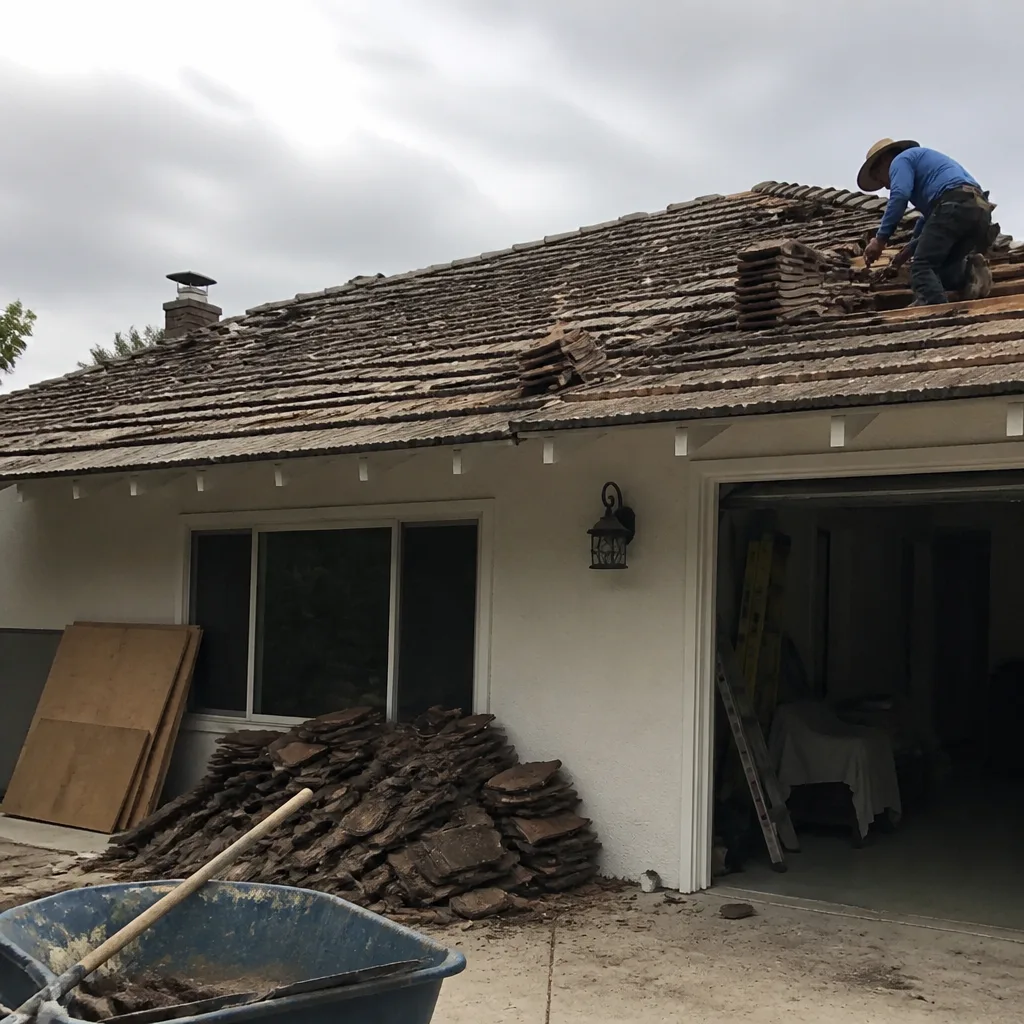 Before
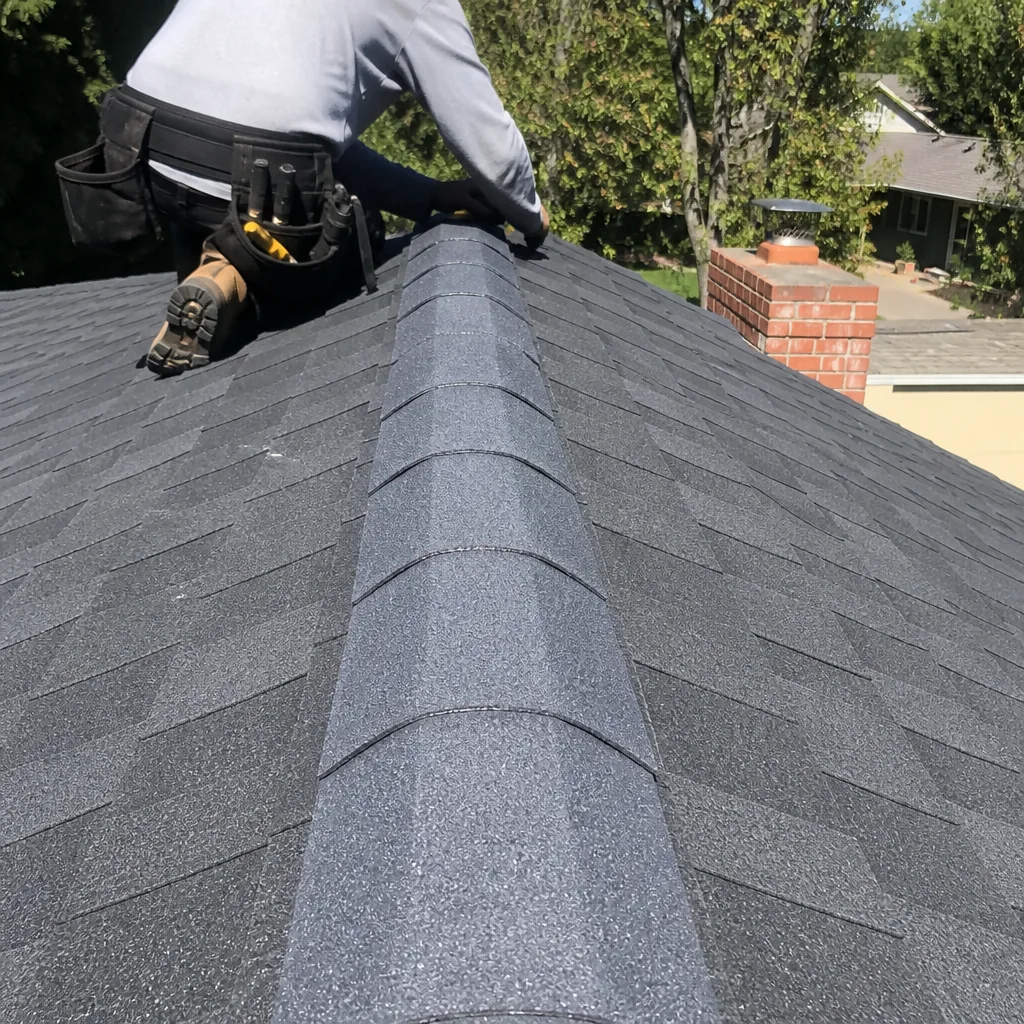 After
After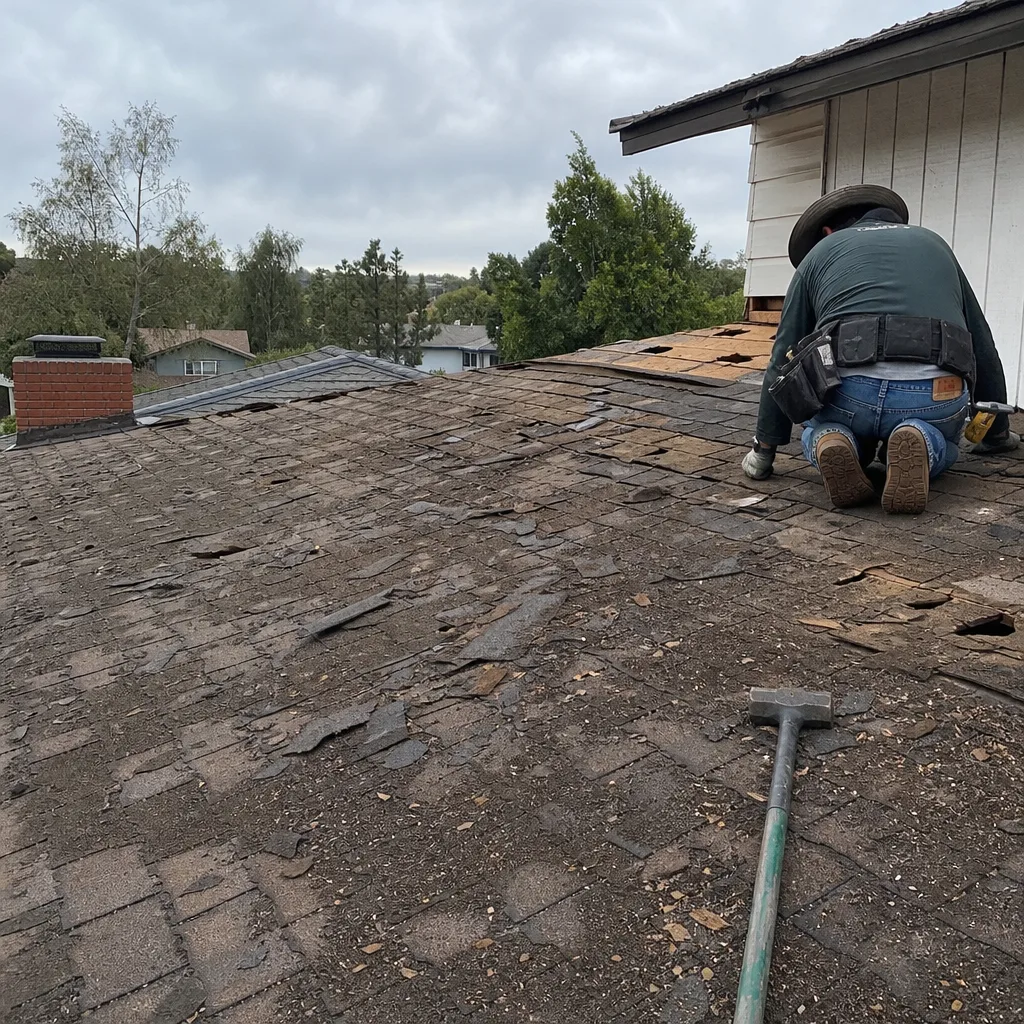 Before
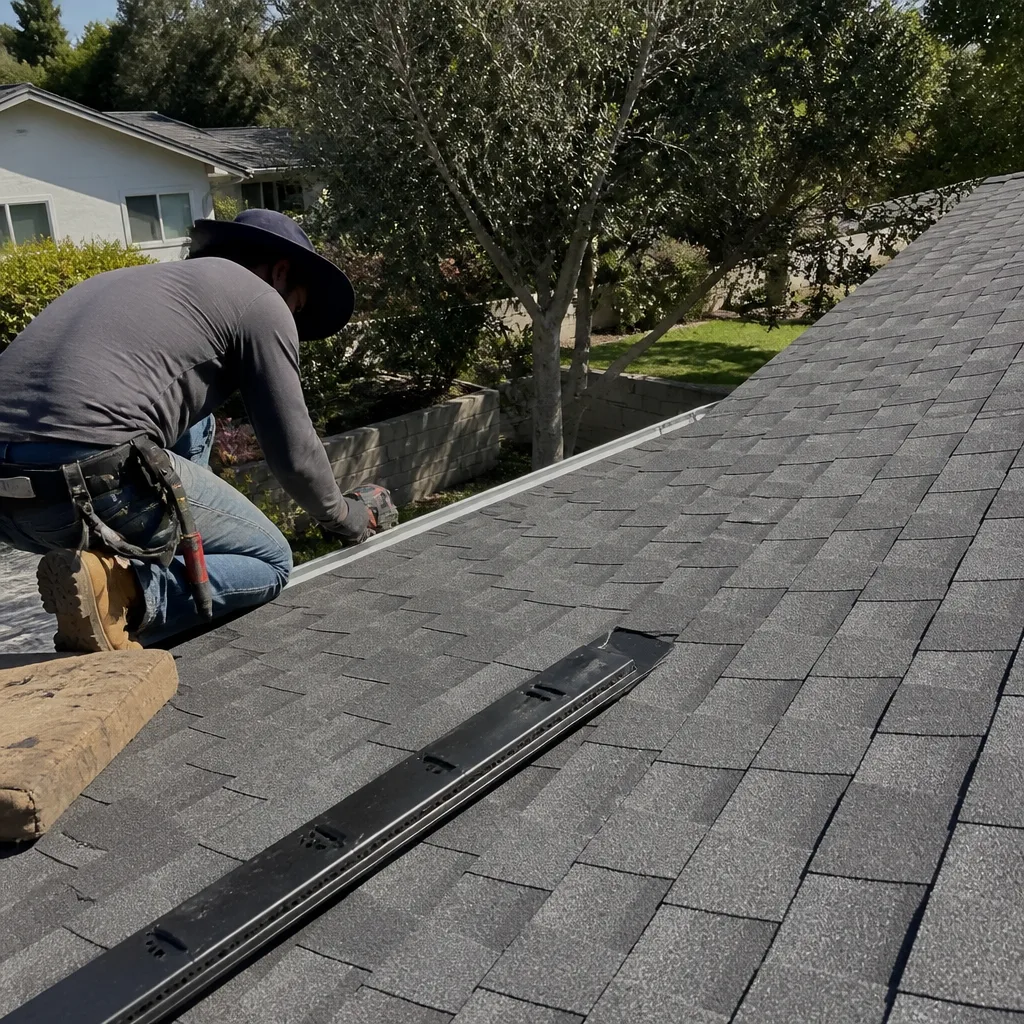 After
AfterWhen to Call a Professional
A roof is one of those things where the warning signs show up before the disaster, but only if you’re looking. If you’ve got loose shingles after a wind event, water stains on the ceiling, granule buildup in the gutters, daylight visible through the attic boards, or a roof that’s past 20 years old, call a licensed roofer before the next rain. The fix is cheaper now than it will be when water reaches the drywall. Crestview Roofing Co Woodland Hills offers free estimates in Woodland Hills – call (650) 456-5615 and we’ll send a technician with a written price before any work starts.
Frequently Asked Questions
A full roof replacement in Woodland Hills typically runs $14,000 – $28,000 for a standard single-family home, depending on material, pitch, square footage, and deck condition. Architectural asphalt shingles sit at the lower end at $14,000 – $19,000, while standing seam metal can reach $44,000. Call (650) 456-5615 for an exact quote on your roof – estimates are free and the written price you get is the price you pay.
Yes, a full roof replacement in Woodland Hills requires a permit from Los Angeles County Building and Safety, and the permit must state the fire rating of the new system. Repairs under about 100 square feet may not require one. A licensed contractor handles the permit process, and inspections are scheduled after the underlayment and at final completion.
Standing seam metal is the strongest choice for wind performance in Woodland Hills, with interlocking panels that mechanically transfer load rather than relying on adhesive. High-quality architectural asphalt with a six-nail high-wind installation pattern is a strong second choice at a lower cost. Ask about fastener schedules and synthetic underlayment when comparing options.
Yes, especially if your home sits near the urban-wildland interface zones bordering the Santa Monica Mountains. Class A is the highest rating for resistance to flame spread and ember penetration. The rating applies to the whole system, not just the shingles, so underlayment and venting details matter as much as the tile or shingle itself.
It shouldn’t, if the original written price itemizes deck replacement per sheet. About 30 – 40% of Woodland Hills replacements find deck damage after tear-off, and a contractor who priced the sheathing cost upfront can handle that without a surprise. If the quote says “TBD” on deck repairs, that’s where change orders are born. Call (650) 456-5615 for a written, line-item price before any work begins.
Most asphalt shingle replacements on a standard Woodland Hills home take 2 – 4 days from tear-off to final inspection. Tile and metal take longer, typically 5 – 10 days depending on the roof’s complexity. Weather and the inspection schedule can add days, but a written schedule should be part of your contract. We give you a live trackable arrival time so you know exactly when to expect the crew.
The Bottom Line
Roofing in Woodland Hills is its own discipline. The heat is extreme, the wind is persistent, and the fire risk near the wildland boundary is real. Your roof has to handle all three at once, which means material choice, installation method, and contractor accountability all matter more here than they do at sea level. The homeowners who get the best outcomes in this valley are the ones who demand a written price before any work starts, a permit on file, and a written warranty that covers repairs for a full year. That’s the bar. Hold every contractor to it. If you want an honest assessment of what your Woodland Hills roof needs, call (650) 456-5615 for a free estimate.
Written by Dylan Pace, Owner at Crestview Roofing Co Woodland Hills, serving Woodland Hills since 2000.