
Last updated October 17, 2026
 Metal roofing
 Architectural shingles
 Tile roofing
 GAF
GAF Owens Corning
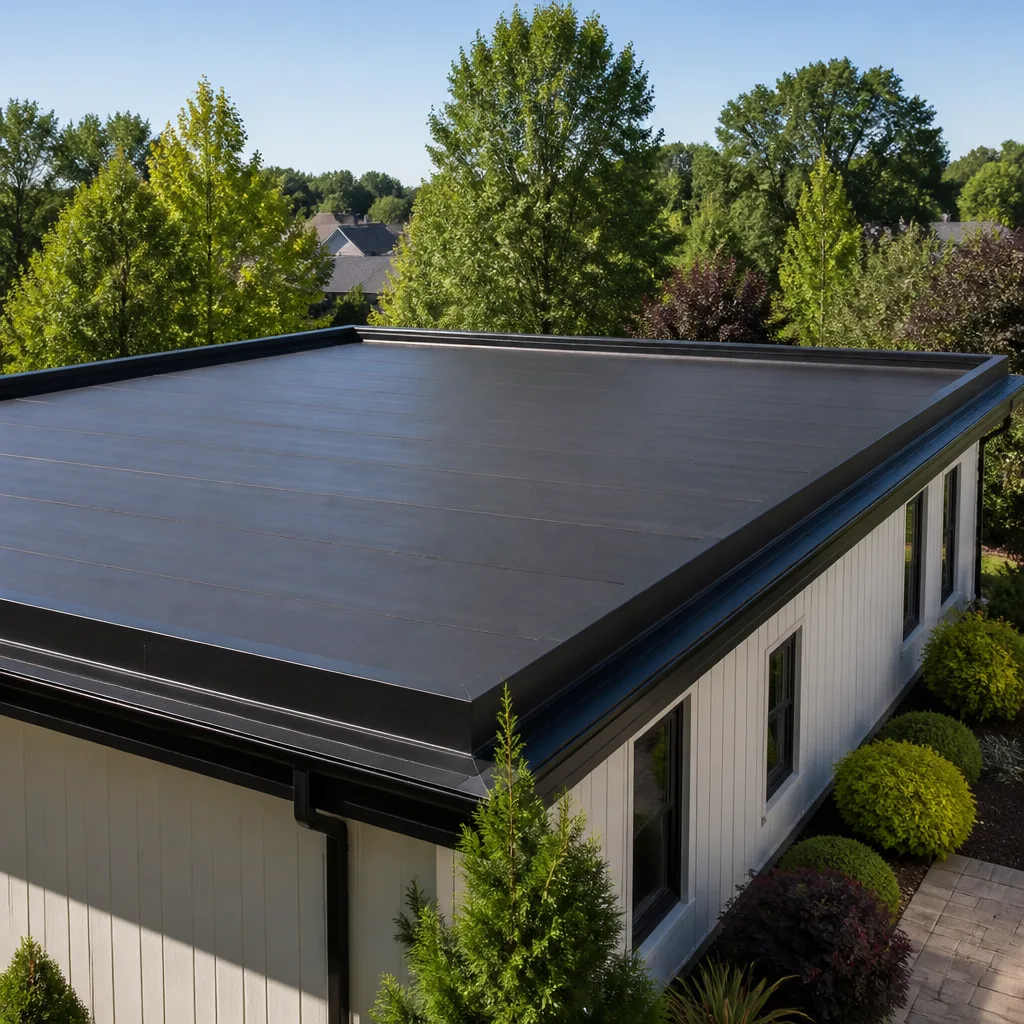 Flat & low-slope
Free roof inspection with deck photos before we talk money - GAF and Owens Corning certified installation
Seasonal Roofing Care for Woodland Hills: Year-Round Homeowner’s Guide
Every generic roofing guide tells you to prepare for winter storms. In Woodland Hills, the storm you actually need to prepare for arrives in October at 60 mph with 5% humidity and a fire weather watch attached. That’s the event that sends people scrambling for a roofer, exactly when every roofer in the Valley is already booked. This guide replaces the tired spring-summer-fall-winter formula with a calendar built around what actually happens to roofs in Woodland Hills: Santa Ana wind season, the brutal inland summer UV load, and the short February-to-April window when it’s genuinely comfortable to put a crew on your roof. For a deeper dive, see The Complete Guide to Roofing in Woodland Hills.
Styles & brands we work with
Quick Answer
The smartest seasonal roofing schedule for Woodland Hills homeowners is simple: book your annual inspection between late February and mid-April, complete any non-emergency repairs by early June, do a Santa Ana prep check in late September, and document any rain-event staining within 48 hours of the storm. Most standard roof repairs in Woodland Hills run $350 to $900, while a full roof replacement typically falls between $12,000 and $24,000 depending on size and material. Skipping the spring window means either paying peak-season rates or waiting 3 to 6 weeks in October when the Santa Anas expose everything you put off.
Table of Contents
- Why Woodland Hills Has Two Roofing Seasons, Not Four
- The Optimal Scheduling Window: Late February Through April
- Santa Ana Season Prep: What to Check Before October
- What to Do After a Wind Event Above 50 MPH
- How Summer UV Degradation Works in Woodland Hills
- The 48-Hour Rain Event Protocol: Leaks vs. Historic Staining
- Why October-November Roofing Wait Times Hit 3-6 Weeks
- Common Mistakes to Avoid
- When to Call a Professional
- Frequently Asked Questions
- The Bottom Line
Why Woodland Hills Has Two Roofing Seasons, Not Four
Woodland Hills sits in the southwestern San Fernando Valley at roughly 900 feet of elevation, which puts it in a different climate band than coastal Los Angeles or even Studio City fifteen minutes east. Summer temperatures routinely push past 100°F in July and August, and the inland sun angle means your roof surface can reach 160°F by noon. That’s not a gradual wear factor. That’s a daily thermal cycle that expands and contracts roofing materials at a rate coastal homes never experience.
The second season is wind. Santa Ana events, which typically run from late September through December, funnel dry desert air through the canyons at sustained speeds of 30 to 40 mph with gusts over 60. In our experience working on roofs across Woodland Hills, including the hillside streets north of Ventura Boulevard and the flatter tracts south of the 101, wind damage is the number one cause of mid-fall emergency calls. Not rain. Not snow. Wind.
So the practical calendar looks like this:
- February through April: Inspection and maintenance window. Temperatures are mild, crews work efficiently, and you’re ahead of demand.
- May through June: Finish any repairs you identified in spring. Heat is building but still workable.
- July through September: Heat season. Roof surface temperatures make certain repairs, especially shingle work and adhesive-dependent flashing, physically difficult and less durable.
- October through December: Santa Ana season. Emergency calls spike, wait times stretch, and non-emergency work gets pushed to January.
- January through February: The quiet reset. Rain events are sporadic, and this is when active leaks reveal themselves if they’re going to.
This framework matters because it inverts the advice most national roofing guides give. In Woodland Hills, fall is not the season to schedule preventive maintenance. Fall is the season you hope you already did the maintenance.
The Optimal Scheduling Window: Late February Through April
If you only take one thing from this guide, take this: late February through April is the best time to schedule roof work in Woodland Hills. Three reasons. First, the weather is ideal: daytime highs in the 60s and 70s keep roof surfaces cool enough for proper shingle adhesion and sealant curing. Second, demand is low: most homeowners aren’t thinking about their roofs until a problem appears, so roofing companies have open calendars and you’ll get scheduling flexibility instead of a three-week wait. Third, you’re creating a buffer: whatever gets identified in your spring inspection can be fixed well before October, when everyone else is scrambling. If you’re weighing whether to tackle work yourself, our DIY vs Professional Roofing: The Woodland Hills Homeowner’s Decision Guide breaks down when each approach makes sense.
What should a spring inspection in Woodland Hills actually cover? Here’s the checklist we run through on a typical maintenance visit:
- Flashing inspection: Flashing, which is the metal strips that seal the joints around chimneys, vents, skylights, and roof valleys, is the most common failure point on Woodland Hills roofs. Wind works it loose over time, and once it lifts even a quarter inch, water has a path in.
- Shingle curl and granule loss: Check for shingles that are curling at the edges or showing bare spots where the protective granules have worn away. In Woodland Hills, south-facing slopes degrade faster due to sun exposure.
- Vent and pipe boot condition: The rubber boots around plumbing vents crack with age and heat exposure. They’re a $40 part, but if they fail, they cause a slow leak that can rot decking before you ever see a stain on your ceiling.
- Gutter and downspout flow: Santa Ana winds fill gutters with leaves, branches, and debris from the surrounding hillsides. Clogged gutters force water under the eaves during the first real rain.
- Tile roof fastener check: If you have a tile roof, which is common in older Woodland Hills neighborhoods like Walnut Acres, the fasteners that hold tiles in place can loosen from years of micro-movement. Loose tiles become airborne projectiles in a Santa Ana event.
Expect to pay $250 to $450 for a thorough roof inspection in Woodland Hills, and that fee is often credited toward any repair you approve on the spot. If you’re a homeowner who wants to be present for the inspection, ask for photo documentation as part of the visit. A roofer who photographs what they find gives you something to actually look at when you’re deciding whether a repair is urgent or can wait.
For more detail on what a proper repair scope looks like, our Roof Repair in Woodland Hills page walks through the most common issues we see and what they typically cost to fix.
Santa Ana Season Prep: What to Check Before October
Santa Ana winds in Woodland Hills aren’t a possibility. They’re a guarantee. Every year, usually starting in late September or October, the pressure gradients shift and the wind comes howling down through the Santa Susana Pass and the canyons north of the 101. These winds don’t just blow leaves around. They lift shingles, tear off ridge caps, and turn unsecured roof tiles into projectiles that can shatter a neighbor’s windshield or punch through a skylight two houses down.
Here’s a Santa Ana prep checklist you should run through in late September, before the first wind event hits:
- Walk your roof from the ground: Look for any shingles or tiles that are already lifted, cracked, or missing. Use binoculars if you need to. You’re not looking for perfection; you’re looking for anything that’s already compromised enough that a 60 mph gust will finish the job.
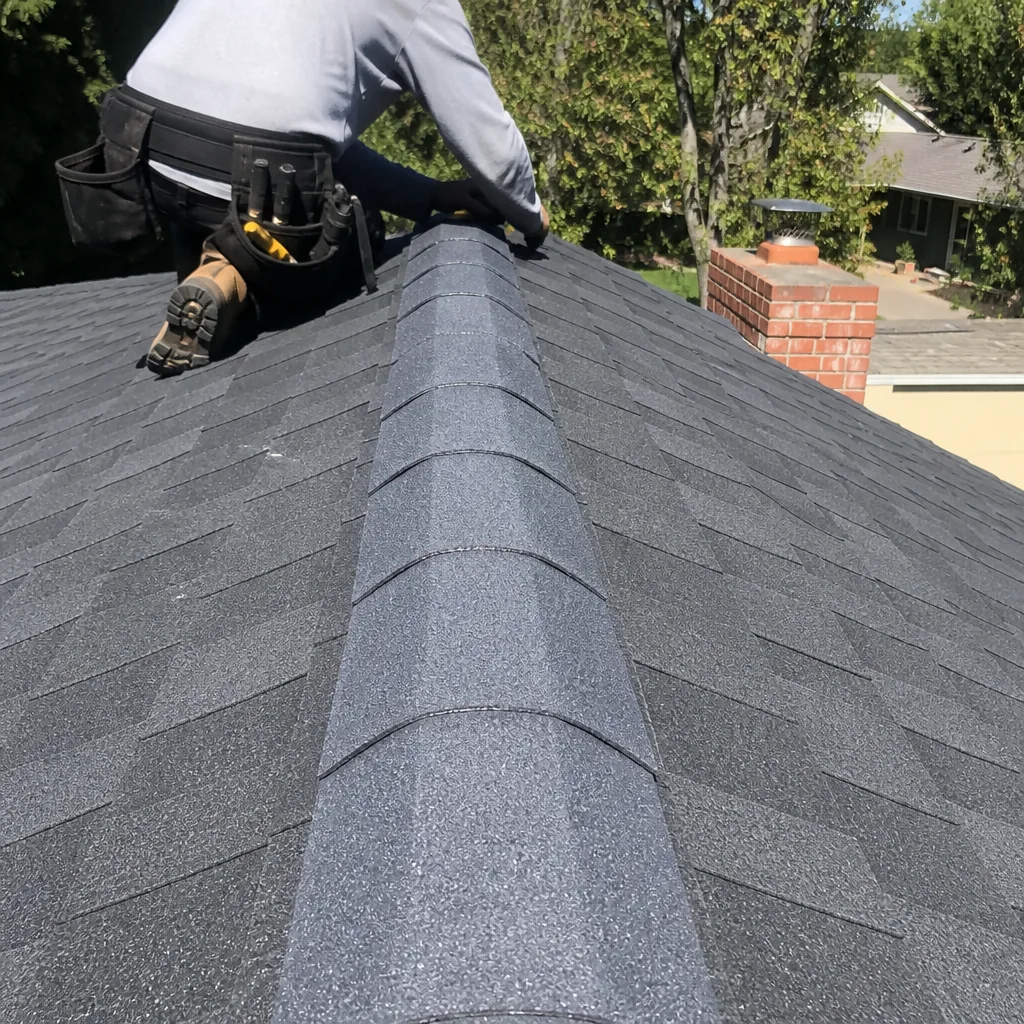
- Check the ridge cap: The ridge cap is the row of shingles or tiles at the very peak of your roof. It’s the first thing wind hits. If it’s loose or showing gaps, call a roofer before the wind does the removal for you.
- Secure anything attached to the roof: satellite dishes, antenna mounts, swamp cooler covers. Anything screwed into the roof deck is a potential leak point if the wind starts rocking it back and forth.
- Clear the gutters: Santa Ana events in Woodland Hills come with dry, dusty conditions. Those winds carry leaves, dust, and debris from the hillsides directly into your gutter system. A full gutter won’t cause a leak during the wind event itself, but the first rain after a Santa Ana will reveal exactly which gutters weren’t cleared.
- Inspect exposed fasteners on tile roofs: Nails and screws back out over time, especially on older tile roofs. If you can see a nail head poking up on a tile, that tile is not actually secured.
What happens after the wind event is just as important as the prep. In the next section, we’ll walk through exactly what to look for once the gusts drop back down.
What to Do After a Wind Event Above 50 MPH
When the National Weather Service records gusts above 50 mph in Woodland Hills, which happens multiple times most years, your roof has been through a stress test no ordinary weather event can match. Here’s the step-by-step protocol we tell homeowners to follow in the 24 to 48 hours after a major Santa Ana event:
- Do a ground-level visual sweep: Walk the perimeter of your home and look at the roof from every angle you can access. You’re looking for missing shingles, lifted flashing, displaced tiles, or anything that just looks different from the last time you looked up.
- Check the yard and street: Roofing materials don’t vaporize. If a shingle came off your roof, it’s in your yard, your pool, or your neighbor’s driveway. Found a shingle or tile in the yard? That tells you exactly where to start looking on the roof.
- Look at the ridge line specifically: Santa Ana winds hit the ridge cap first and hardest. If the ridge cap is compromised, water will enter during the next rain event even if the rest of the roof looks fine.
- Check your skylights and flashing points: Wind-driven dust and debris can scratch skylight seals and pry up chimney flashing. Look for any visible gap or lifted edge around anything that penetrates the roof surface.
- Document everything with photos: Before you call a roofer, photograph everything you’ve observed. Clear, dated photos are the foundation of any insurance claim and they give the roofer a starting point before they even climb the ladder.
- Call a roofer even if you don’t see damage: Wind events above 50 mph are worth a professional once-over, especially on roofs older than 10 years in Woodland Hills. We’ve found lifted flashing and unseated shingles on dozens of roofs where the homeowner saw nothing from the ground. The repair at that stage is minor. The repair after a rain event finds the vulnerable spot is not.
A post-wind inspection runs the same $250 to $450 range as a standard inspection, and it’s the cheapest insurance you can buy against the leak that appears three months later.
How Summer UV Degradation Works in Woodland Hills
If you live in Woodland Hills, you already know the summers are brutal. What you might not know is that your roof is taking the worst of it. A dark asphalt shingle roof in Woodland Hills can hit 160°F on a 105°F August afternoon. That’s not a guess. That’s the measured surface temperature on south-facing slopes we’ve worked on during heat season.
Here’s what that heat does to roofing materials over time:
- Asphalt shingles lose granules faster: Granules are the mineral coating that protects the asphalt from direct UV exposure. Heat accelerates the breakdown of the asphalt binder that holds those granules in place. Once the granules go, the shingle’s lifespan drops sharply. Woodland Hills roofs lose granules measurably faster than coastal LA roofs of the same age.
- Adhesive strips cure differently: The heat-activated adhesive on architectural shingles is designed to bond in the first warm days after installation. But sustained 150°F+ surface temperatures can over-cure the adhesive on older roofs, making shingles brittle instead of flexible.
- Flashing sealants crack and shrink: The caulks and sealants used around flashing joints expand and contract with every thermal cycle. In Woodland Hills, a roof can go through a 60°F temperature swing between 5 AM and 3 PM in the summer. Over a decade, that’s thousands of expansion-contraction cycles, and the sealant eventually fails.
- Tile roofs hold heat differently: Concrete and clay tile do a better job of insulating against heat transfer, but the tiles themselves expand and contract at a different rate than the underlayment below them. This differential movement is why older tile roofs in Woodland Hills develop hidden underlayment failures that the homeowner never sees from the ground.
The practical takeaway: if you have a roof that’s approaching 15 years old in Woodland Hills, summer is the season when concealed degradation is happening fastest, even though it’s also the worst time to schedule repair work. This is exactly why the spring inspection window matters so much. You want to catch and address what last summer’s heat did to your roof before the next summer starts compounding it.
Manufacturers design for this reality. Shingle lines from GAF and CertainTeed have specific high-heat specifications, and some Atlas products are engineered for superior UV resistance. When we do a Roof Replacement in Woodland Hills, material selection is a conversation about which products will actually hold up under inland sun, not just which ones look good in a brochure.
The 48-Hour Rain Event Protocol: Leaks vs. Historic Staining
When Woodland Hills gets rain, it usually comes in concentrated bursts between December and March. Your skill as a homeowner is knowing the difference between an active leak and a historic stain, because one is urgent and the other is cosmetic. Here’s the protocol:
In the first 48 hours after rain:
- Check your ceilings and attic: The first place water shows itself is on the ceiling, but only if the leak has already saturated the insulation and decking above it. Check the attic for any sign of moisture on the underside of the roof deck. Use a flashlight. Look for dark streaks, water beads, or damp insulation.
- Mark any stain you find: Use a pencil to trace the outline of any water stain on the ceiling or wall. If the stain grows beyond that outline over the next few hours or days, you have an active leak. If it stays the same size and feels dry to the touch, you’re looking at a historic stain from a leak that was either fixed or is intermittent.
- Photograph everything with your phone: Date-stamped photos of the stain, the attic space above it, and the corresponding roof area from outside are exactly what an insurance adjuster will ask for. Document before you clean anything.
- Run the hose test only if you can’t identify the source: A controlled hose test can help pinpoint a leak source, but this is better left to a roofer. A homeowner with a hose can easily push water into areas that wouldn’t normally get wet and create a problem that didn’t exist before.
- Call a roofer if the stain is active: An active leak is destructive in ways you can’t see. Water that enters the attic can sit against wood decking and framing for weeks, inviting rot and mold. The repair when the stain first appears is measured in hundreds of dollars. The repair after months of untreated water intrusion is measured in thousands.
One note on insurance: many Woodland Hills homeowners carry policies with wind and hail deductibles that differ from their standard deductible. Before you file a claim, know what your deductible is and compare it to the repair quote. Filing a claim for an $850 repair with a $2,500 deductible isn’t a winning move.
Why October-November Roofing Wait Times Hit 3-6 Weeks
Every October, the same thing happens. The first significant Santa Ana event sweeps through the Valley, a few hundred Woodland Hills homeowners discover wind damage or suddenly notice that leak they ignored all spring, and every reputable roofing company’s phone starts ringing at once. By the second week of October, non-emergency repair appointments in Woodland Hills are typically booked out three to six weeks.
Why is that number so consistent? A few structural reasons:
- Santa Ana damage is widespread: A single wind event can damage dozens or hundreds of roofs in one night. No local roofing company staffs for peak October demand because the other eight months of the year don’t justify it.
- Each job takes real time: A proper repair, including inspection, material pickup, work, and photo documentation, is a half-day or full-day commitment. When a company gets 30 calls on a Tuesday, those jobs can’t all happen the same week.
- Insurance claims slow everything down: If your damage is covered by insurance, the adjuster visit, the claim approval, and the supplement negotiation all add days or weeks before the roofer can even schedule the work.
- Heat delays compound: Some homeowners put off spring repairs, thinking they’ll do them in the fall. By the time October arrives, the repair list is longer than it would have been in April, and every roofer’s queue is backed up with everyone else who had the same idea.
The way to avoid the October queue is straightforward: get your inspection and repairs done in the spring window, and treat October as a verification month, not a repair month. If you do find yourself with wind damage in October, call a roofer immediately. The earlier you’re in the queue, the sooner your roof gets fixed before the next wind event or rain system arrives.
For homeowners facing a full replacement rather than a repair, the timing calculus is similar but the stakes are higher. A roof replacement in Woodland Hills is a multi-day project that shouldn’t be rushed into the middle of Santa Ana season by choice. The spring and early summer months give you the best weather window for a replacement.
Common Mistakes to Avoid
- Waiting for a leak to call a roofer: By the time water shows up on your ceiling, it’s already traveled through the roof deck, insulation, and drywall. The visible stain is the last stop, not the first. Annual inspections catch issues before they become indoor problems.
- DIY patching with sealant: A tube of roofing cement from the hardware store feels like a win, but it fails quickly and often masks the real problem while water keeps penetrating underneath. You’ll spend more fixing the secondary damage than you would have spent on the proper repair.
- Scheduling summer roof work because it’s convenient for your calendar: Roof surface temperatures in Woodland Hills in July and August make shingle work less reliable and less durable. Spring is the move.
- Ignoring granules in the gutter: When you clean your gutters and see an accumulation of gritty granules, that’s not normal wear. It’s a sign your shingles are shedding their protective layer, and the roof is aging faster than it should in the Woodland Hills heat.
- Filing an insurance claim without knowing your deductible: A repair quote under your deductible means the claim won’t pay out anyway. Get the quote first, then decide.
- Putting off a post-wind inspection after a major Santa Ana event: “It looks fine from the ground” is the most expensive sentence we hear in Woodland Hills. Wind damage above 50 mph is worth a professional check every single time.
- Choosing a roofer by price alone in a high-demand season: When October hits and every roofer is booked, the ones with immediate availability often have availability for a reason. Ask about guarantees, documentation, and process. A roofer who puts pricing and timelines in writing, like we do under The Relay Standard, is the one you want on your roof.
When to Call a Professional
Some things on a roof you can assess yourself from the ground or with a ladder. Active leaks, lifted flashing, displaced tiles after a wind event, and any repair involving the roof’s structural integrity are not among them. Working on a roof is dangerous work, and the risk goes up sharply on steep slopes, which are common in the hillside neighborhoods of Woodland Hills. If you’ve spotted an issue from the ground, call a professional. If you’ve had a leak and the stain is growing, call a professional. If you have a roof older than 15 years and you haven’t had an inspection in two years, call a professional. Crestview Roofing Co Woodland Hills offers free estimates in Woodland Hills. Call (650) 456-5615 to schedule yours.
Frequently Asked Questions
A standard roof inspection in Woodland Hills typically costs $250 to $450, and many roofing companies, including ours, credit that fee toward any repair you approve from the inspection findings. Call (650) 456-5615 to schedule your inspection.
Annually is the right cadence for Woodland Hills, and the ideal timing is late February through April. One inspection per year catches the accumulated damage from summer heat, fall wind events, and winter rain before any single problem becomes a structural issue.
Most standard roof repairs in Woodland Hills run between $350 and $900. This covers common issues like replacing a few damaged shingles, resealing flashing, or fixing a vent boot. Larger repairs involving structural decking or widespread flashing replacement can run higher. Call (650) 456-5615 for an exact quote; estimates are free.
On a low-slope roof with good traction and proper footwear, a careful homeowner can do a basic visual check. On steep hillside roofs, which are common in Woodland Hills, walking the roof without proper safety equipment is genuinely dangerous. If you’re not comfortable on the pitch, stay on the ground and use binoculars or call a professional.
Trace the stain with a pencil and watch it for 24 to 48 hours. If the stain grows beyond your pencil line or feels damp to the touch, it’s an active leak and you need a roofer. If it stays the same size and stays dry, it’s a historic stain from a past leak and should be noted but doesn’t require immediate action. Document the stain with photos either way.
Yes. We provide clear, documented repair scopes with photos that homeowners can submit to their insurance company. We don’t handle claim negotiations for you, but we make sure the documentation is what adjusters expect to see. Call (650) 456-5615 to talk through your situation.
A standard shingle roof replacement in Woodland Hills takes 3 to 7 days from tear-off to final cleanup, depending on roof size, pitch, and weather. We give written timelines before work starts as part of our no-hassle upfront pricing commitment. Your roof installation should never come with a surprise.
The Bottom Line
Woodland Hills doesn’t follow the national seasonal roofing playbook, and you shouldn’t either. For more guides & resources tailored to local conditions, explore our blog. The two seasons that actually matter here are wind season and heat season, and they both punish roofs that haven’t been maintained. Book your inspection between late February and April. Do your Santa Ana prep in late September. Check for damage after every major wind event. Document any rain-related staining within 48 hours. And if something does go wrong, work with a roofer who puts prices and timelines in writing before work starts, because the number on the page should be the number on the invoice.
Written by Dylan Pace, Owner at Crestview Roofing Co Woodland Hills, serving Woodland Hills since 2000.
See the difference
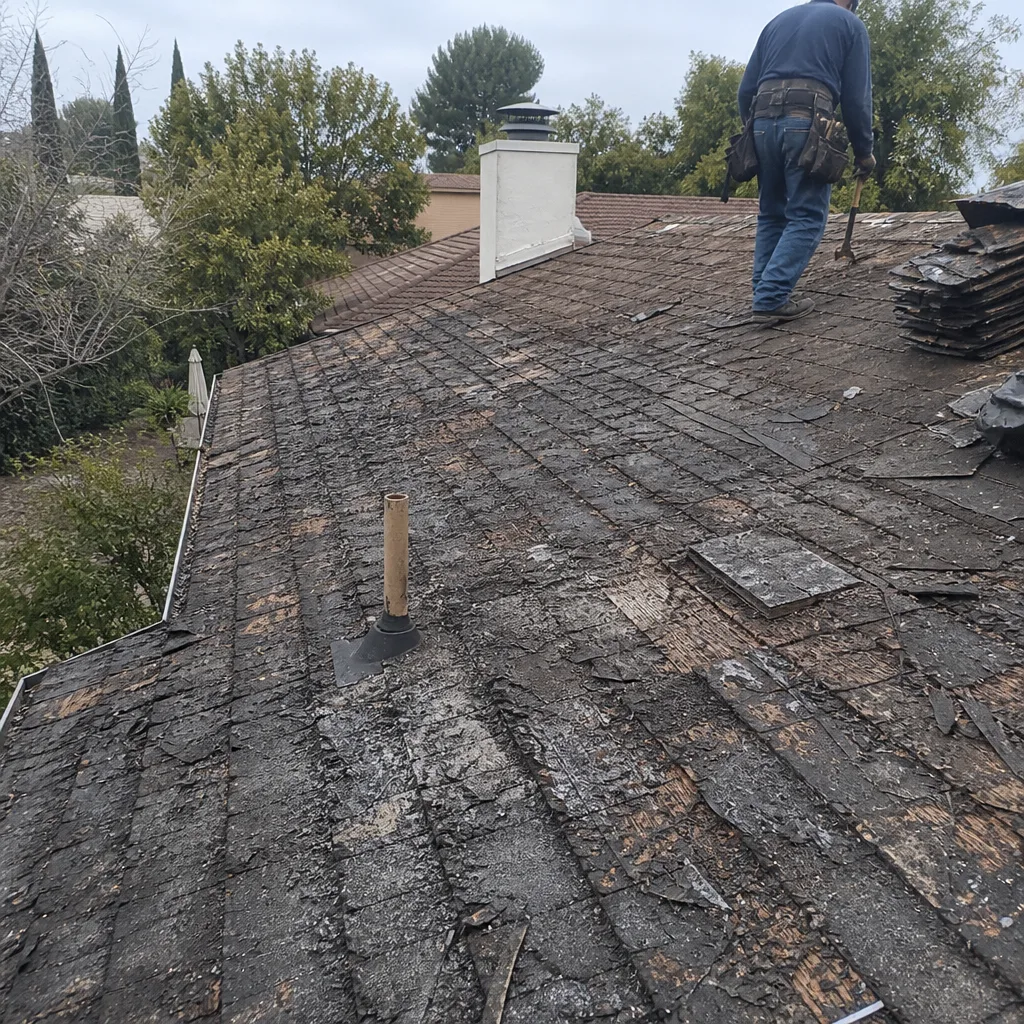 Before
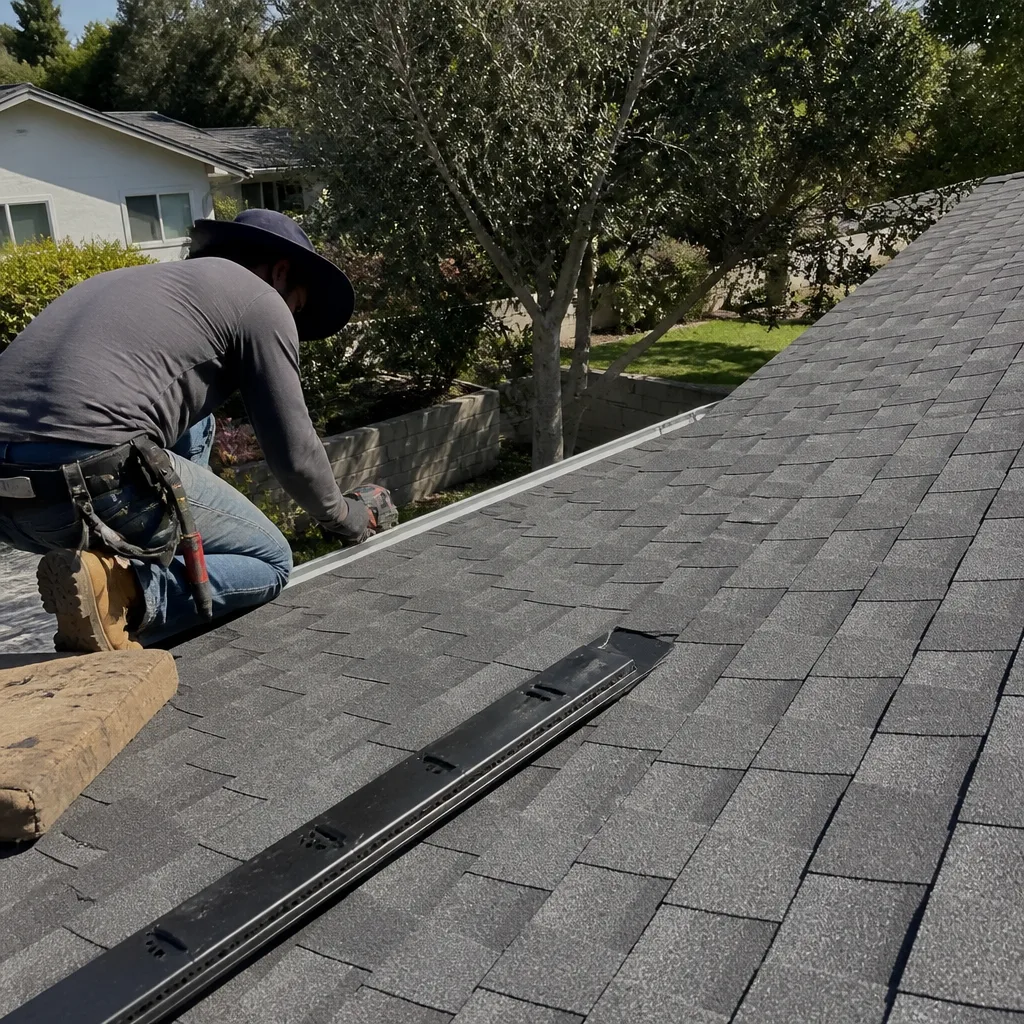
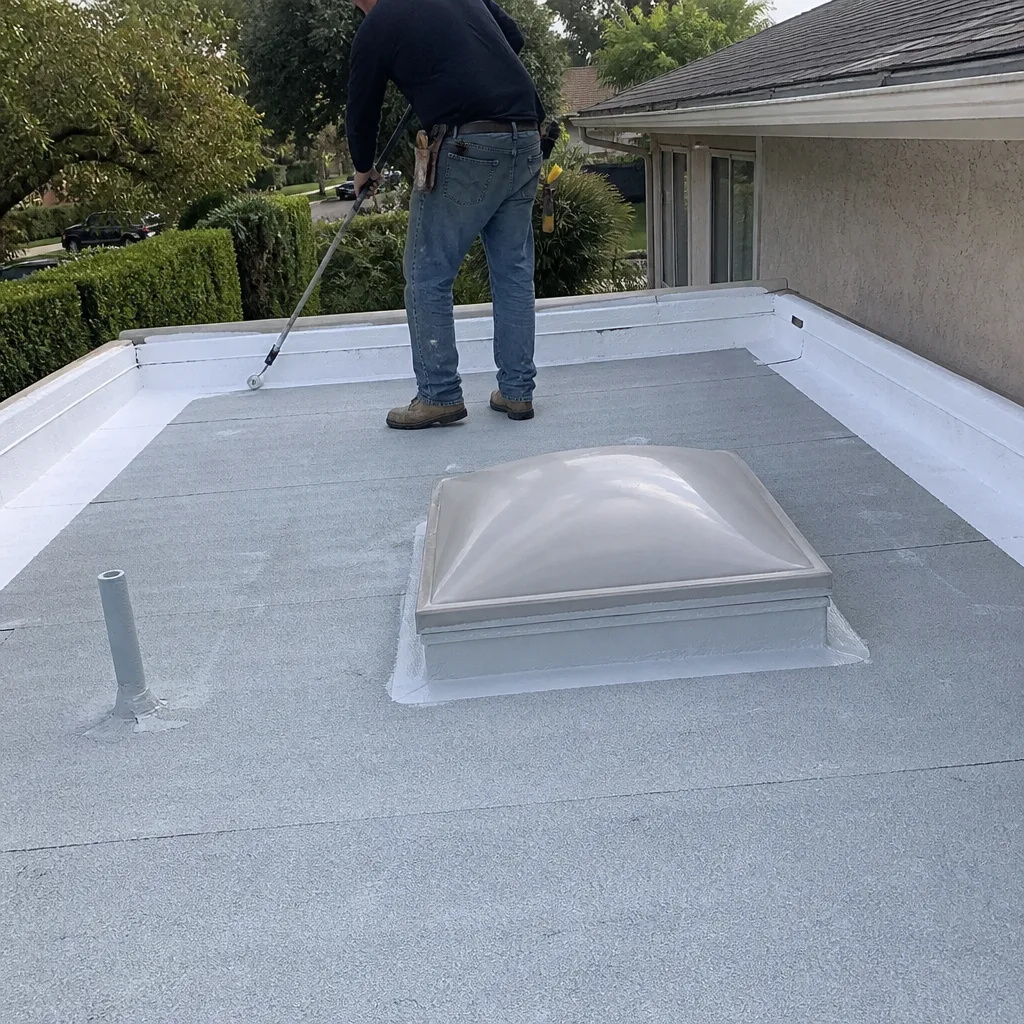 After
After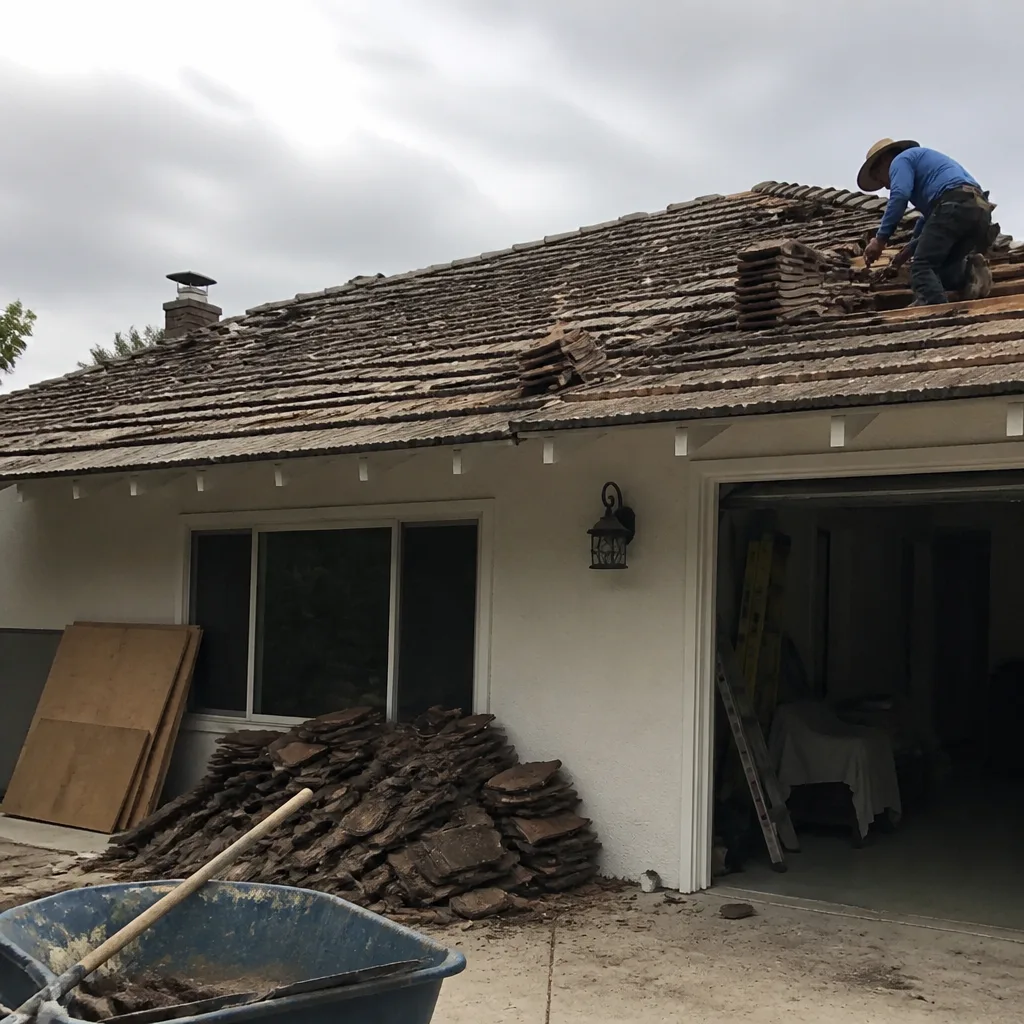 Before
 After
After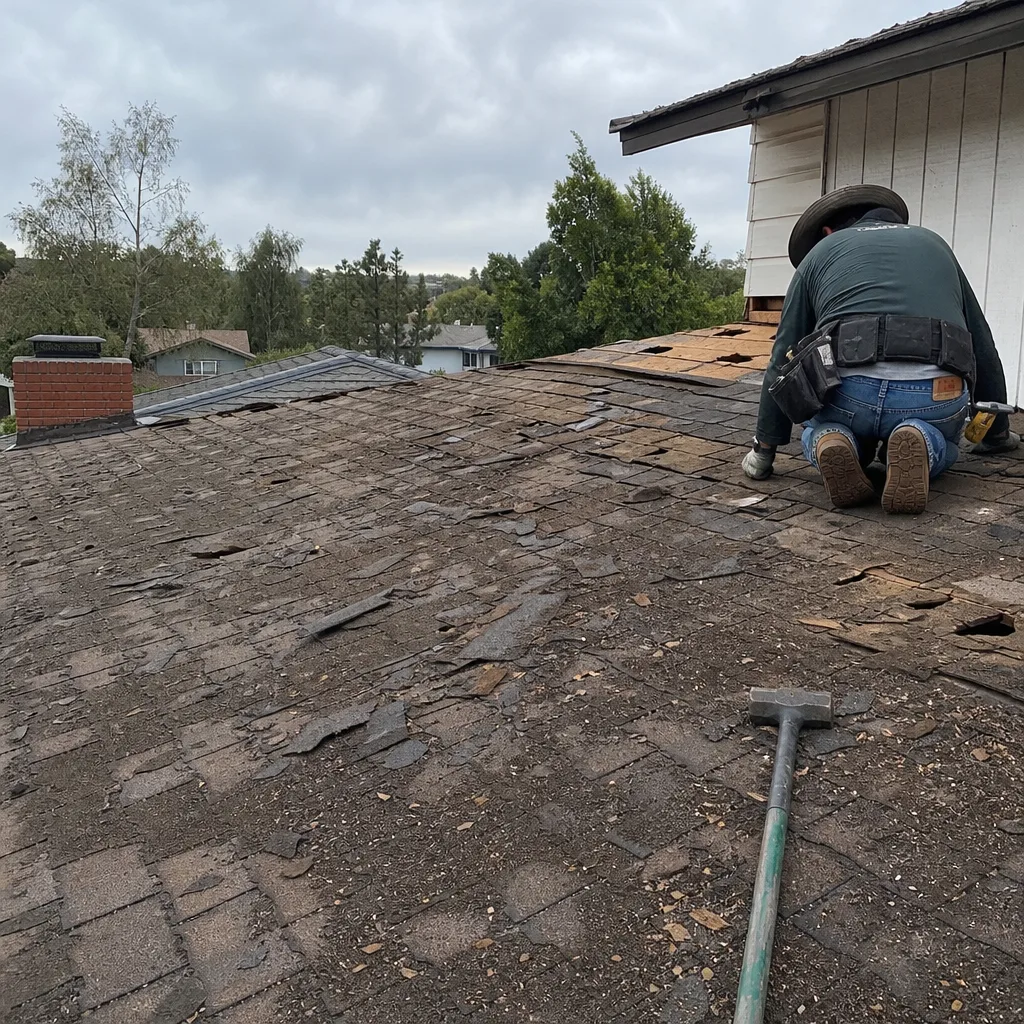 Before
 After
After