
Last updated October 17, 2026
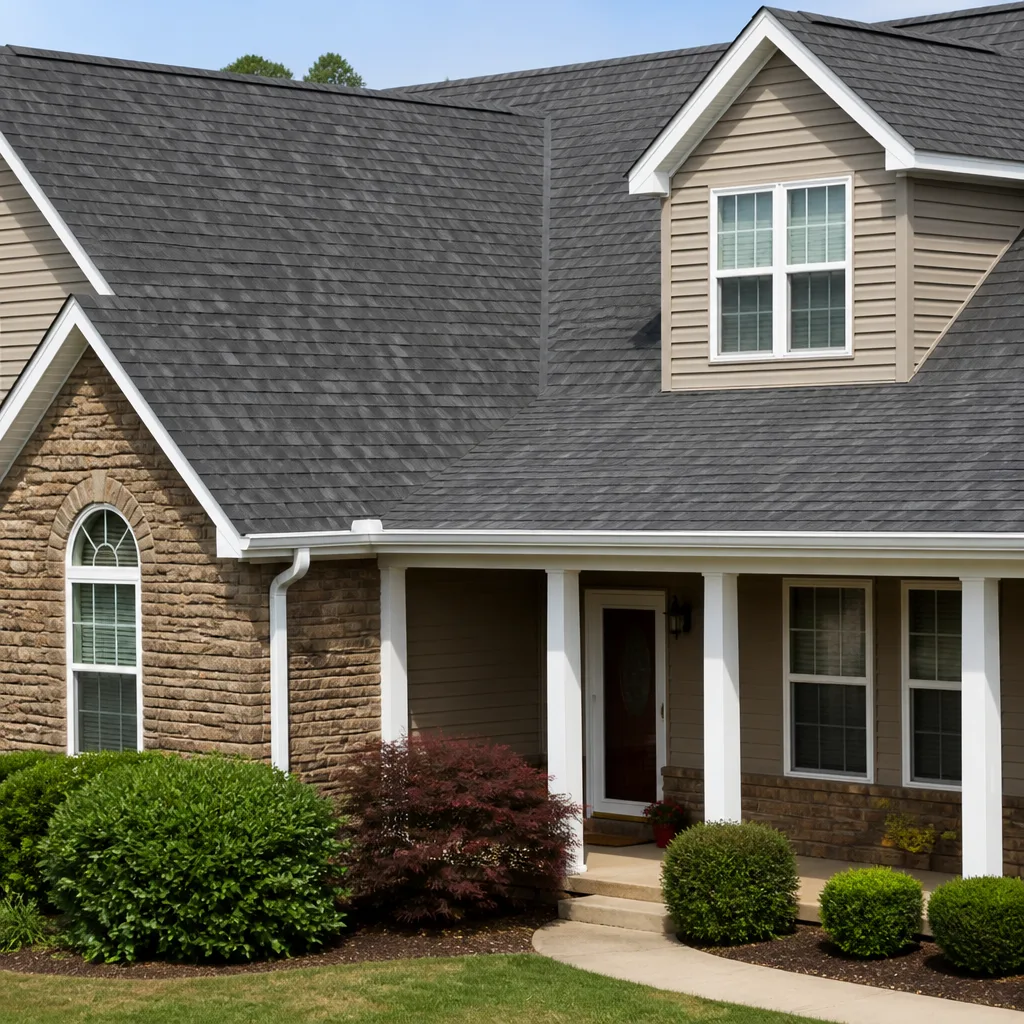 Architectural shingles
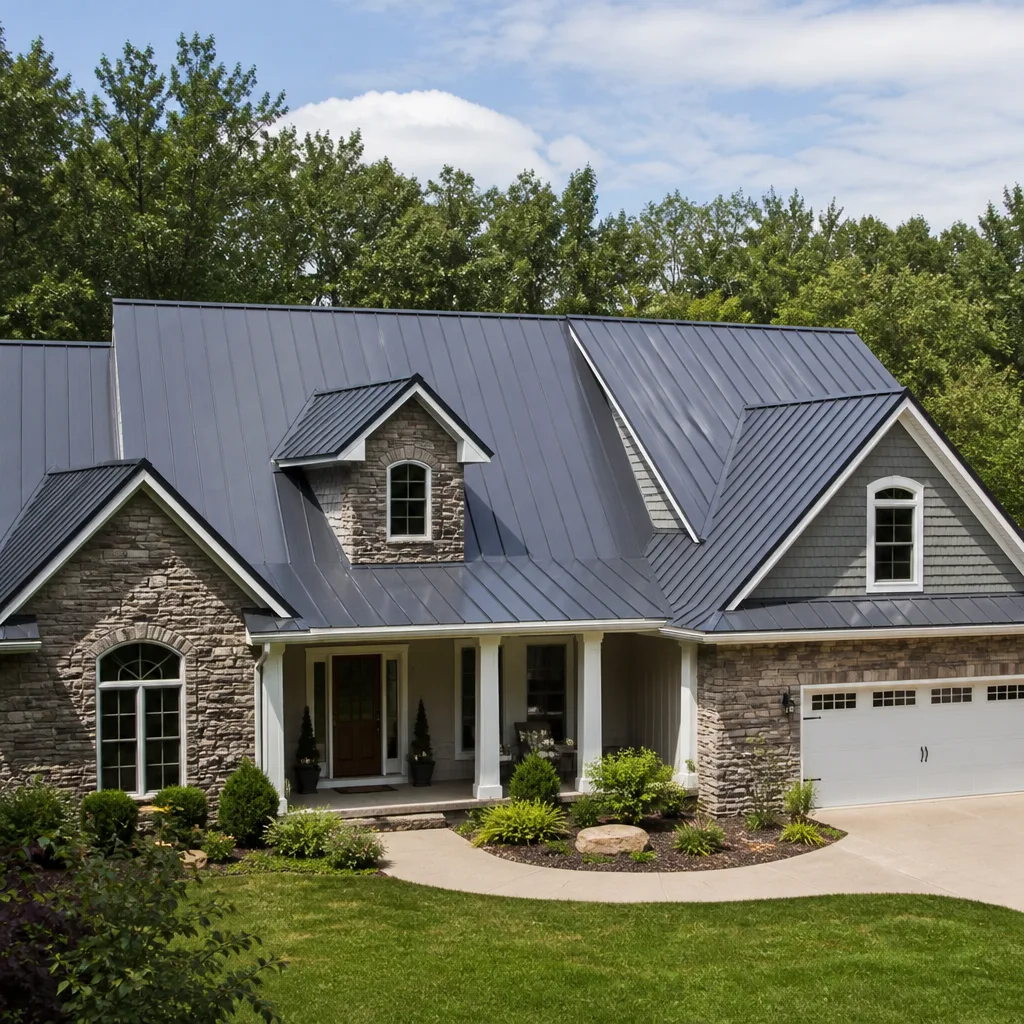 Metal roofing
 Tile roofing
 GAF
GAF Owens Corning
 Flat & low-slope
Free roof inspection with deck photos before we talk money - GAF and Owens Corning certified installation
Roof Repair Maintenance Checklist for Woodland Hills Homeowners
Most roof maintenance checklists floating around the internet tell you to check for ice dams in winter and clear snow from your gutters. That advice is worse than useless for a home in Woodland Hills. Nobody here has ever lost a roof to an ice dam. What actually destroys roofs in this part of the San Fernando Valley are the two things nobody puts on a seasonal calendar: sustained triple-digit heat cycles from July through October, and the dry, gusting Santa Ana winds that arrive without warning from September through January. Thermal splitting from repeated 100°F-plus days and granule loss from abrasive wind events are the real threats. This Woodland Hills maintenance guide is built specifically around those two roof killers, so you’re checking the right things at the right time, not following a checklist written for a house in Minnesota.
Styles & brands we work with
Quick Answer
A Woodland Hills roof maintenance routine has two jobs: inspect for heat-induced cracking after any sustained stretch above 105°F, and inspect ridge caps, hip flashings, and edge flashing after every Santa Ana wind event. Most homeowners need to do this twice a year, in late spring and mid-fall, plus a quick visual check after any windstorm that drops tree branches. Routine maintenance costs $150 to $400 per visit when you hire it out, while ignoring these checks can turn a $300 flashing repair into a our Roof Repair services call-or worse, a $9,000 to $15,000 re-roof.
Table of Contents
- How Triple-Digit Heat Damages Asphalt Shingles
- What Santa Ana Winds Do to Your Roof
- The Twice-Yearly Woodland Hills Inspection Checklist
- A Photo-Based Self-Inspection Method That Prevents Disputes
- Preventive Maintenance vs. Upselling: How to Tell the Difference
- Which Roof Repairs Need a Permit in Los Angeles County
- How Maintenance Affects Your Homeowner’s Insurance
- Common Mistakes to Avoid
- When to Call a Professional
- Frequently Asked Questions
- The Bottom Line
How Triple-Digit Heat Damages Asphalt Shingles
Woodland Hills regularly records some of the hottest temperatures in Los Angeles County, with summer readings that top 110°F and rooftop surface temperatures that can reach 160°F to 180°F on a July afternoon. Asphalt shingles are designed to handle heat, but not indefinitely. The repeated expansion during the day and contraction at night slowly breaks down the asphalt’s flexibility. After enough cycles above 105°F, the shingle surface begins to show hairline cracks, a failure mode roofers call thermal splitting. These cracks start small, but they allow moisture into the shingle’s fiberglass mat, and that’s when a cosmetic crack becomes a leak.
What thermal splitting looks like:
- Straight-line cracks running from the shingle’s bottom edge toward the top, often in clusters on south-facing and west-facing roof planes.
- Blistering, which appears as small raised bumps where trapped moisture in the shingle expanded under extreme heat.
- Curling or cupping at shingle corners, especially on older roofs that have lost granule coverage.
- Granule accumulation in gutters and downspouts after a heat wave. Heat softens the asphalt, and granules start shedding at an accelerated rate.
In our experience across Woodland Hills neighborhoods, homes in the flat, exposed sections of Walnut Acres and the older hillside streets above Ventura Boulevard show heat damage faster than homes in tree-shaded pockets. If your roof has been through five or more Woodland Hills summers without a professional inspection, the asphalt shingles have likely started to lose the elasticity that keeps them watertight. A roof repair in Woodland Hills that’s done proactively, when cracks are still small, typically runs $250 to $500 for spot replacement. Waiting until those cracks open up and let water into the decking turns the same problem into a $2,000 to $4,000 repair.
What Santa Ana Winds Do to Your Roof
Santa Ana winds are the second major roof killer in Woodland Hills, and they don’t behave like the storms you see in other parts of the country. These winds are dry, gusty, and they come from the northeast, funneling through the canyons and hitting hillside homes with gusts that can exceed 60 mph. The wind itself is a problem, but the bigger problem is what it carries: sand, dust, and fine debris that act like sandpaper on shingle surfaces. Repeated exposure strips granules from the asphalt mat, exposing the shingle to direct UV damage.
After any Santa Ana event in Woodland Hills, there are two spots that fail first and cost the most to ignore: ridge caps and hip flashings.
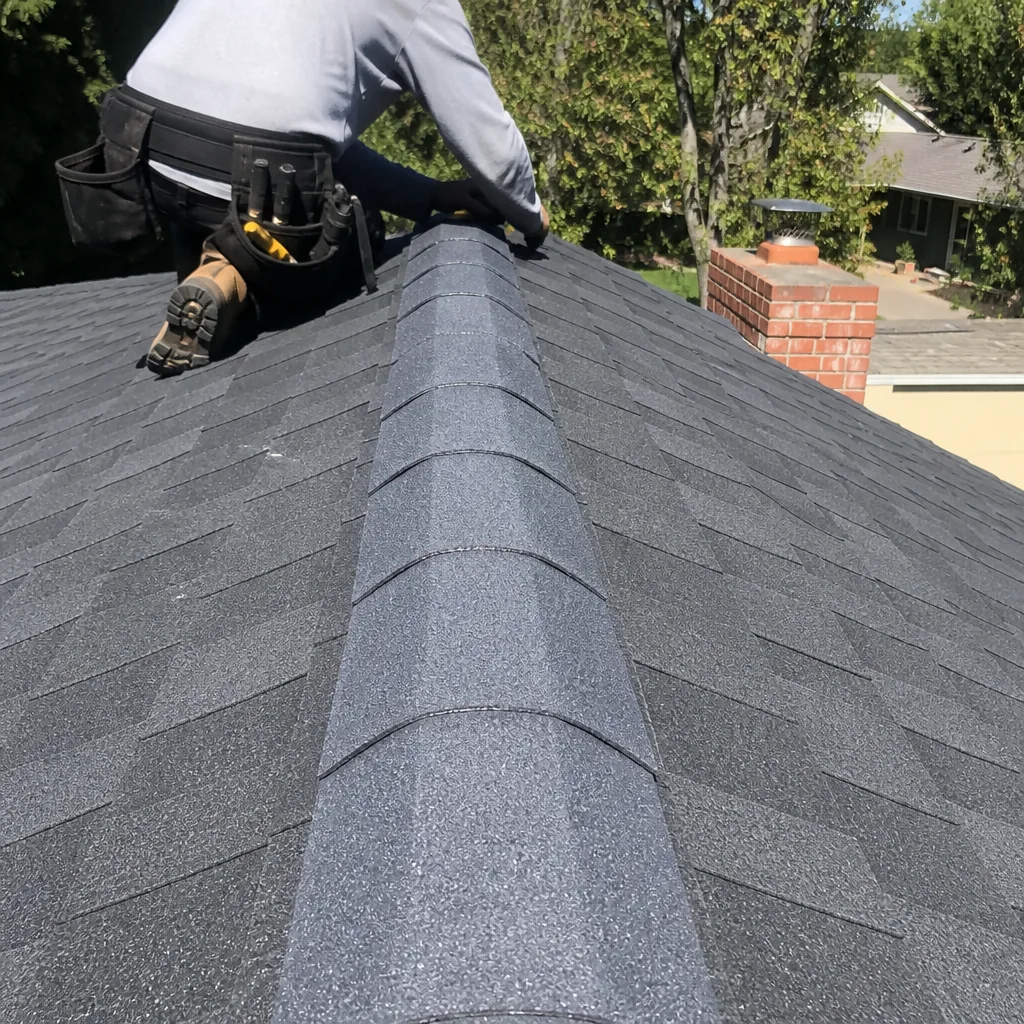
- Ridge caps. These are the shingles that run along the peak of your roof, the highest point where two roof planes meet. They take the full brunt of wind gusts because there’s nothing around them to break the airflow. A lifted or missing ridge cap allows wind-driven rain under the shingle layer, and because it’s at the top of the roof, water that gets in here travels downhill through the attic before it ever shows up on your ceiling.
- Hip flashings. On a four-sided hip roof, the diagonal ridges where roof planes meet are sealed with metal flashing or covered shingle caps. These intersections are structural weak points in the roof system. When gusts hit a hip line at an angle, they create negative pressure that can lift the flashing or break the sealant bond. The result is a gap that’s invisible from the ground but large enough for water to enter during the next rain.
Both of these areas need a visual check after every windstorm strong enough to knock tree branches down. The good news is that ridge cap and hip flashing repairs are among the most affordable fixes in roofing: most homeowners in Woodland Hills pay $180 to $600 for a targeted ridge repair, depending on how many linear feet were affected. The bad news is that the failure is easy to miss from ground level, which is why a photo-based inspection method matters.
The Twice-Yearly Woodland Hills Inspection Checklist
Rather than a four-season calendar, Woodland Hills homeowners should follow a two-check annual rhythm. The first inspection happens in late spring, before the heat arrives. The second happens in mid-fall, after the first Santa Ana events and before winter rain. If a major windstorm hits between those windows, add a third check within a week of the storm.
Here’s the full checklist in order, working from the ground up:
- Examine the roof from the street first. Walk across the street and look at the roof as a whole. Look for uneven planes, sagging sections, or shingles that appear lifted. A roof that looks wavy from a distance is telling you something about the decking underneath.
- Check gutters and downspouts for granules. Run your hand through the debris in your gutters. If you find a sandy, gritty residue, that’s shingle granule loss. A small amount is normal on an old roof. A heavy, consistent accumulation after every rain or wind event means the shingles are degrading faster than they should.
- Inspect ridge caps up close. Use a ladder only if you can safely reach the ridge, or use binoculars from the ground. Look for cracked, missing, or lifted ridge cap shingles. Pay special attention to the leading edge of the ridge line where wind first hits.
- Examine flashing around chimneys, vents, and skylights. Flashing, the metal strips that seal joints around chimneys and vents, is a common entry point for water in Woodland Hills because the metal expands and contracts with temperature swings. Look for rust, separation, or failing sealant.
- Inspect valleys. Roof valleys are the V-shaped channels where two roof planes meet. They channel the highest volume of water in a rainstorm. Debris that collects in valleys accelerates shingle wear and can create leaks. Clean valleys and look for worn or exposed nails.
- Check for interior leaks. Inside the house, look at attic ceilings, walls under the roofline, and around ceiling fans or recessed lighting. Water stains, peeling paint, or a musty smell are all signs water has already gotten in.
- Look for animal entry points. Woodland Hills has a real roof rat population, especially in mature neighborhoods with large trees. Check for gnawed fascia boards, gaps where the roof meets the soffit, and rodent droppings in the attic.
A Photo-Based Self-Inspection Method That Prevents Disputes
Here’s the method we recommend to every homeowner, and it’s simple enough to do with a smartphone: document your roof’s condition with photos on a regular schedule. Not because you’re going to do your own repairs, but because dated photos are the single best tool a homeowner has when dealing with insurance claims or contractor disputes.
Here’s the system:
- Take a full set of roof photos twice a year. Include a roof-overview shot from the street, close-ups of ridge caps, flashing around chimneys and vents, valleys, and any areas where you’ve previously seen wear. A mid-range phone with a telephoto lens works for ridge shots from the ground.
- Date the photos. Your phone does this automatically, but don’t rely on metadata alone. Organize photos into folders named by inspection date on your computer or cloud storage.
- Compare current photos to previous ones. The point of the system is detecting change. Did the cracked shingle you noticed in May get worse? Are the granules in the gutter more plentiful than they were last fall? Side-by-side comparison tells you whether a problem is stable or progressing.
- Photograph any roof work you’ve had done. Before a contractor begins, photograph the work area. After they finish, photograph the result. This practice alone eliminates most “who did what” disputes because it establishes a visual baseline.
This method matters in Woodland Hills for a specific reason: roofing disputes in Los Angeles County are common, and most of them come down to the same argument: the contractor says the problem existed before they arrived, and the homeowner says it didn’t. Photo records end that argument. At Crestview Roofing Co Woodland Hills, we take before-and-after photos on every job as part of our standard process, because we’d rather have a documented record than a memory contest. You can find more guides & resources on our blog. If your contractor doesn’t offer that, you should document it yourself.
Preventive Maintenance vs. Upselling: How to Tell the Difference
Roofing contractors get a bad reputation in Los Angeles County for recommending work that doesn’t need to be done. Some of that reputation is earned. So how do you, as a Woodland Hills homeowner, tell the difference between a legitimate preventive recommendation and an upsell?
Legitimate preventive maintenance is characterized by three things: the contractor can show you the problem with photos, the problem has a clear failure pathway if ignored, and the repair price is proportionate to the damage prevented. If a contractor shows you a cracked pipe boot, explains that water is already entering during heavy rain, and quotes $250 to replace it before water reaches the decking, that’s preventive.
An upsell has different characteristics: the recommendation is vague, the urgency is manufactured, or the proposed scope keeps expanding once you ask questions. Here are the specific red flags to watch for:
- Whole-roof replacement recommended for a roof under 15 years old with no widespread covering failure. Most asphalt shingle roofs in Woodland Hills last 20 to 30 years with proper maintenance. If a contractor tells you a 10-year-old roof with minor issues needs full replacement, get a second opinion before you commit to anything.
- Mystery “lifted” repairs that aren’t visible in photos. If a contractor claims they found extensive wind damage but won’t show you photos, be skeptical. Every reputable roofer in 2026 carries a phone with a camera.
- Sealing or coating products sold as cure-alls. Spray-on sealants and roof coatings have legitimate uses on flat roofs, but applying them as a blanket fix for an asphalt shingle roof is a temporary bandage that hides underlying issues.
- Pressure to sign a contract before you’ve seen the full written scope. This is the biggest sign that a contractor is worried you’ll compare the line items. A written price before any work starts, with line items you can review, is the standard. If a contractor balks at that, walk away.
Note that some “upgrades” are genuinely valuable and shouldn’t be dismissed. Upgrading from a 3-tab shingle to an architectural shingle from a brand like Atlas or Tamko when you have sections replaced can be a smart move, because the thicker mat resists thermal splitting better in Woodland Hills heat. The difference is that a good contractor presents that as an option with clear trade-offs, not as a mandatory add-on.
Which Roof Repairs Need a Permit in Los Angeles County
If you’re a Woodland Hills homeowner, you’re under Los Angeles County jurisdiction, and the county has clear rules about what does and doesn’t require a permit. Understanding this matters because unpermitted work can affect your homeowner’s insurance and complicate a future home sale.
Routine maintenance does not require a permit. Under Los Angeles County building code, the following fall under routine maintenance: replacing individual damaged shingles, resealing flashing, cleaning gutters and valleys, replacing pipe boots, and repairing ridge caps. These are all considered minor repairs that restore the roof to its original condition without changing its structure.
What does require a permit:
- Re-roofing, meaning tearing off the existing roof covering and installing a new one. Los Angeles County requires a permit for any complete roof replacement.
- Structural repairs, including replacing roof decking or rafters. If the damage extends below the shingles into the framing, a permit is required.
- Adding roof elements, like skylights, new vents, or solar panels, all of which require permits.
- Changing the roof pitch or structure, even partially.
Insurance companies care about this distinction. If your roof sustains damage and your insurer determines the previous work was unpermitted, they may reduce or deny the claim. Before you hire anyone for more than a simple repair, confirm whether the work requires a permit and whether your contractor will pull it. The cost of a permit in Los Angeles County varies by project scope, but it’s a small line item compared to the cost of an unpermitted re-roof that shows up on a home inspection when you sell. See Roofing Permits, Codes & Inspections in CA: What You Need to Know for full details.
How Maintenance Affects Your Homeowner’s Insurance
Homeowner’s insurance in California has become one of the most difficult products to keep in recent years, and Woodland Hills homes in the hillside zones have been hit hard. Many major insurers have limited new policies in high-fire-risk areas, and some have exited the California market entirely. What does that have to do with roof maintenance? A lot.
Insurance carriers increasingly look at roof age and condition when deciding whether to renew a policy. A roof with documented maintenance history and proof of recent repairs is a much stronger candidate for coverage than a roof with visible neglect. Conversely, a roof that has gone years without inspection, showing granule loss and cracked flashing, gives the insurer a reason to non-renew or exclude roof coverage. In the California market of 2025 and 2026, that’s not a theoretical risk. It’s a real one, and it’s one reason maintenance calls are worth the cost even when nothing urgent is failing.
Documentation matters here as much as the physical condition of the roof. If you follow the photo-based inspection method described above and keep receipts from every repair, you have the evidence you need to show an insurer that the roof has been properly maintained. That evidence can make the difference between a policy that includes roof coverage and one that excludes it or prices it out of reach. For the same reason, you should always insist on a written invoice for every roof repair you pay for in Woodland Hills, even a $200 ridge cap fix.
Common Mistakes to Avoid
- Waiting for a leak to schedule a roof inspection. By the time water shows up inside your home, the damage has been building for months. The leak you see on your ceiling means water has already saturated insulation and come into contact with decking. In Woodland Hills heat, wet wood in an attic can also become a mold accelerant within weeks.
- Ignoring granules in the gutters. Heavy granule accumulation is the clearest possible sign that a shingle roof is nearing the end of its functional life. Granule loss accelerates in Woodland Hills because of the combined heat and Santa Ana wind cycles.
- Walking on a roof to inspect it. Not only does foot traffic risk breaking old, brittle shingles, but a steep roof is a falling hazard. For a maintenance inspection, use a ladder only where it’s safe, or better yet, use binoculars and cameras from the ground. For actual repairs, hire someone who is trained and equipped.
- Assuming Santa Ana damage is covered by insurance without documentation. Wind damage claims succeed more often when the homeowner has dated photos showing the roof’s condition before the storm. If you’re in a claims scenario, those twice-yearly inspection photos are your best evidence.
- Fixing the leak but not the cause. A roofer who seals the visible gap but doesn’t address the failed flashing or the damaged decking underneath is setting you up for a repeat failure. The repair should always address the water pathway, not just the entry point.
- Choosing a contractor based on a single phone quote. A square-foot price given over the phone, without someone actually seeing the roof, is a guess. A real quote requires an inspection, and it should be written, with a scope of work and a price that won’t shift at the door.
When to Call a Professional
You can handle the visual checks on this checklist yourself, and you should. But some findings require a trained eye and the right equipment. Call a roofing professional when you see cracked or lifted ridge caps, separated flashing, water stains on interior ceilings, significant granule accumulation in gutters, sagging roof planes, or any sign that water has already entered the attic. Also call if you’ve found a roof rat entry point, since these pests can do significant decking damage that’s invisible from outside. Crestview Roofing Co Woodland Hills offers free estimates in Woodland Hills, and every inspection includes a written assessment with photos. Call (650) 456-5615 to schedule yours.
Frequently Asked Questions
Twice a year is the right cadence for this climate: once in late spring before the heat arrives, and once in mid-fall after the first Santa Ana events and before the winter rain season. Add a third inspection within a week of any windstorm strong enough to knock down tree branches. Most standard inspections in Woodland Hills run $150 to $250 when you hire them out.
Standard roof maintenance visits in Woodland Hills typically cost between $150 and $400, depending on what’s included. A visual inspection with minor sealant touch-ups sits at the lower end. An inspection that includes ridge cap repair or flashing replacement runs higher. Some companies offer free inspections, and at Crestview Roofing Co Woodland Hills we provide free estimates for any repair work. Call (650) 456-5615 for a written quote before any work starts.
Replacement is necessary when the shingles show widespread granule loss, multiple thermal splits across several roof planes, curling or cupping across large sections, or when water damage has reached the decking. Most asphalt shingle roofs in Woodland Hills last 20 to 30 years with proper maintenance. Isolated damage is a repair situation. Widespread failure is a replacement situation. A roof replacement in Woodland Hills is a bigger project, and it’s one where you want a written price and a clearly defined scope before you commit.
Yes, but the real value is in avoiding a buyer’s objection during a sale. A roof with documented maintenance and recent repairs clears the home inspection hurdle, which is where most Woodland Hills sales stumble. A complete roof installation in Woodland Hills is a bigger investment, but it’s also a selling point if you’re listing within the next few years. Roof condition is one of the first things a buyer’s inspector evaluates.
No, routine repairs like replacing individual shingles, resealing flashing, or repairing ridge caps do not require a permit. But full re-roofs, structural decking repairs, and any addition like a skylight or solar panel do require a permit. Unpermitted structural work can complicate an insurance claim and a future home sale, so clarify the permit status before any contractor begins.
Start with a ground-level visual check for lifted or missing shingles, paying special attention to ridge caps and hip lines. Then look for granules in the gutters and downspouts. Then go into the attic with a flashlight and look for water stains on the underside of the decking. If you find anything suspicious, call a roofer for a professional inspection. Most repairs for isolated Santa Ana wind damage in Woodland Hills run $300 to $800. Call (650) 456-5615 for a free estimate if you’re not sure what you’re looking at.
The Bottom Line
Woodland Hills roofs do not fail on a New England weather calendar. They fail when triple-digit heat cycles crack asphalt shingles and when Santa Ana wind events strip granules and lift ridge caps. The maintenance plan that actually works here is simple: two scheduled inspections a year, a photo-based documentation habit, and a quick visual check after every major wind event. The cost of that routine is $300 to $600 a year if you hire it out. The cost of skipping it is a five-figure re-roof that could have been prevented with a $300 ridge cap repair. If you’re not sure where your roof stands right now, Crestview Roofing Co Woodland Hills home is ready to help. Call (650) 456-5615 for a free estimate and a written price before any work begins.
Written by Dylan Pace, Owner at Crestview Roofing Co Woodland Hills, serving Woodland Hills since 2000.
See the difference
 Before
 After
After Before
 After
After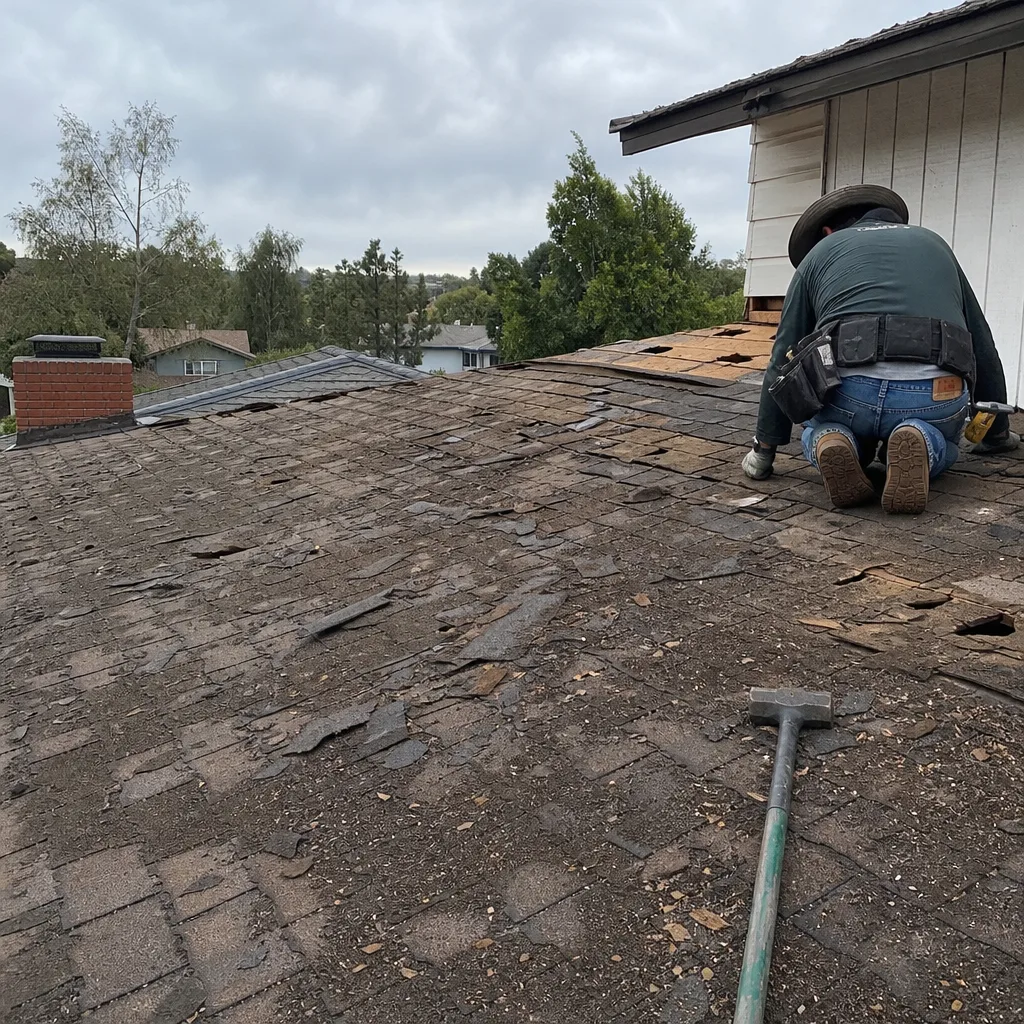 Before
 After
After