
Last updated October 17, 2026
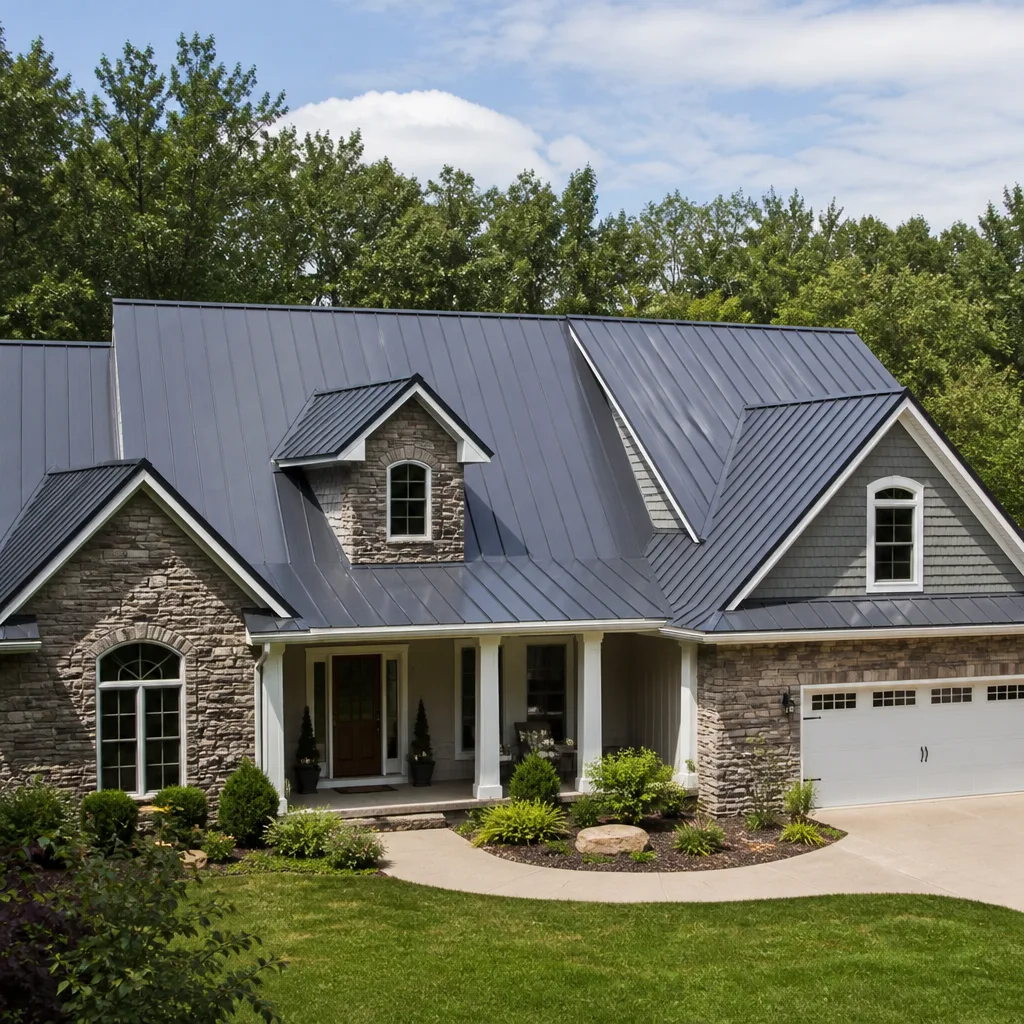 Metal roofing
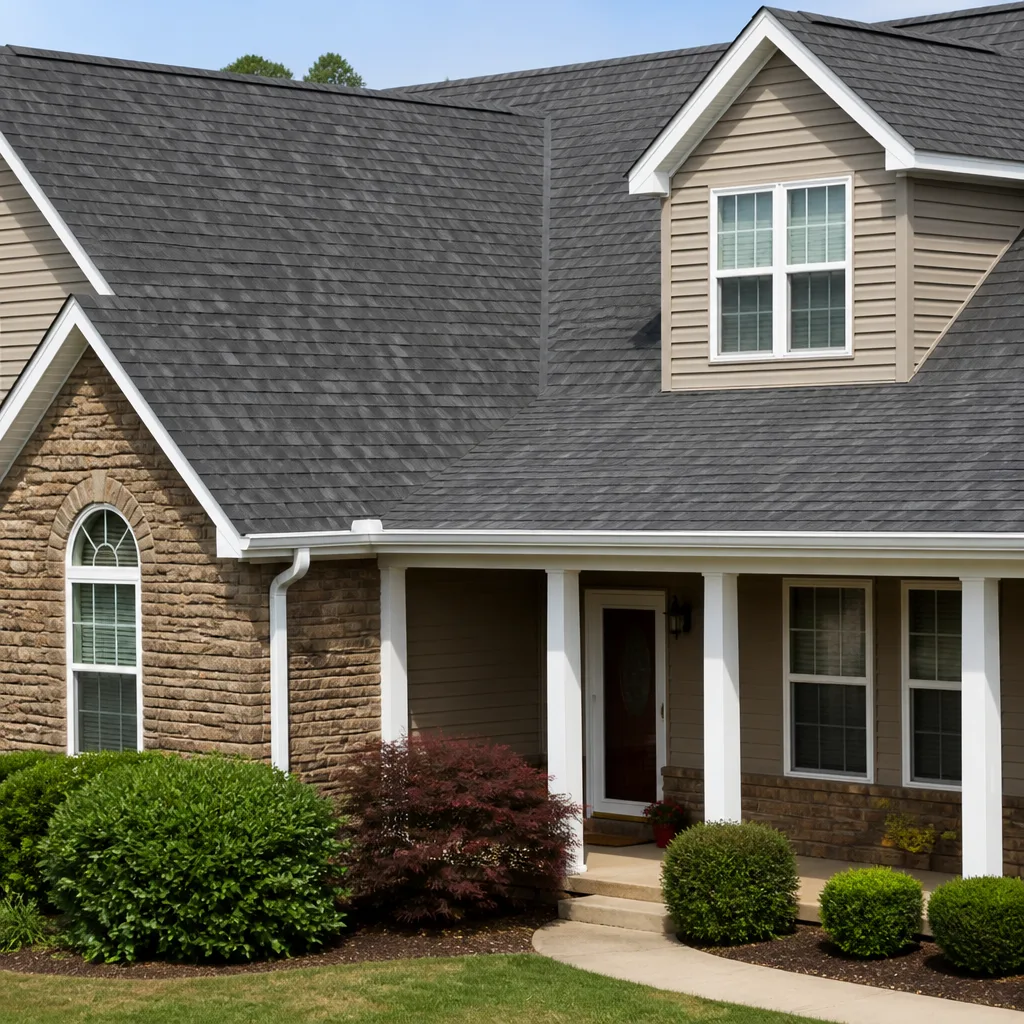 Architectural shingles
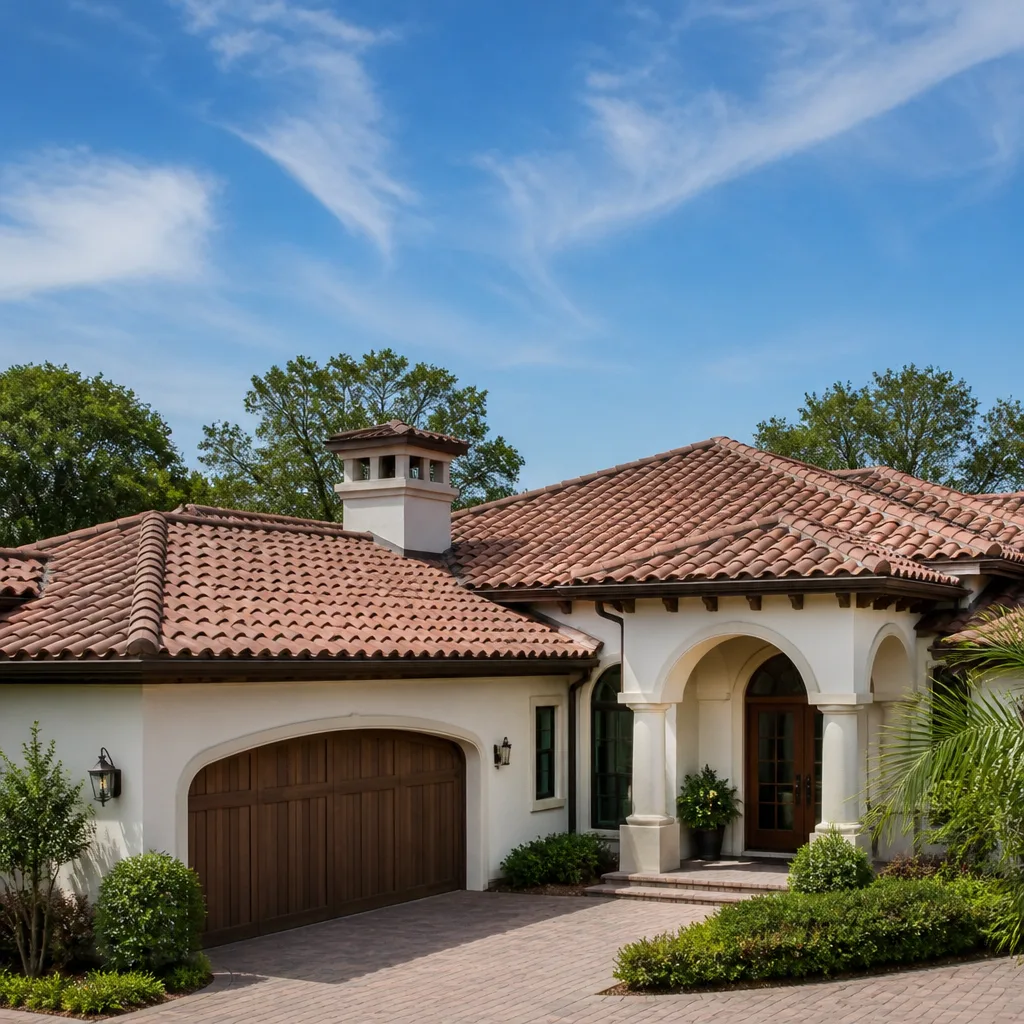 Tile roofing
 GAF
GAF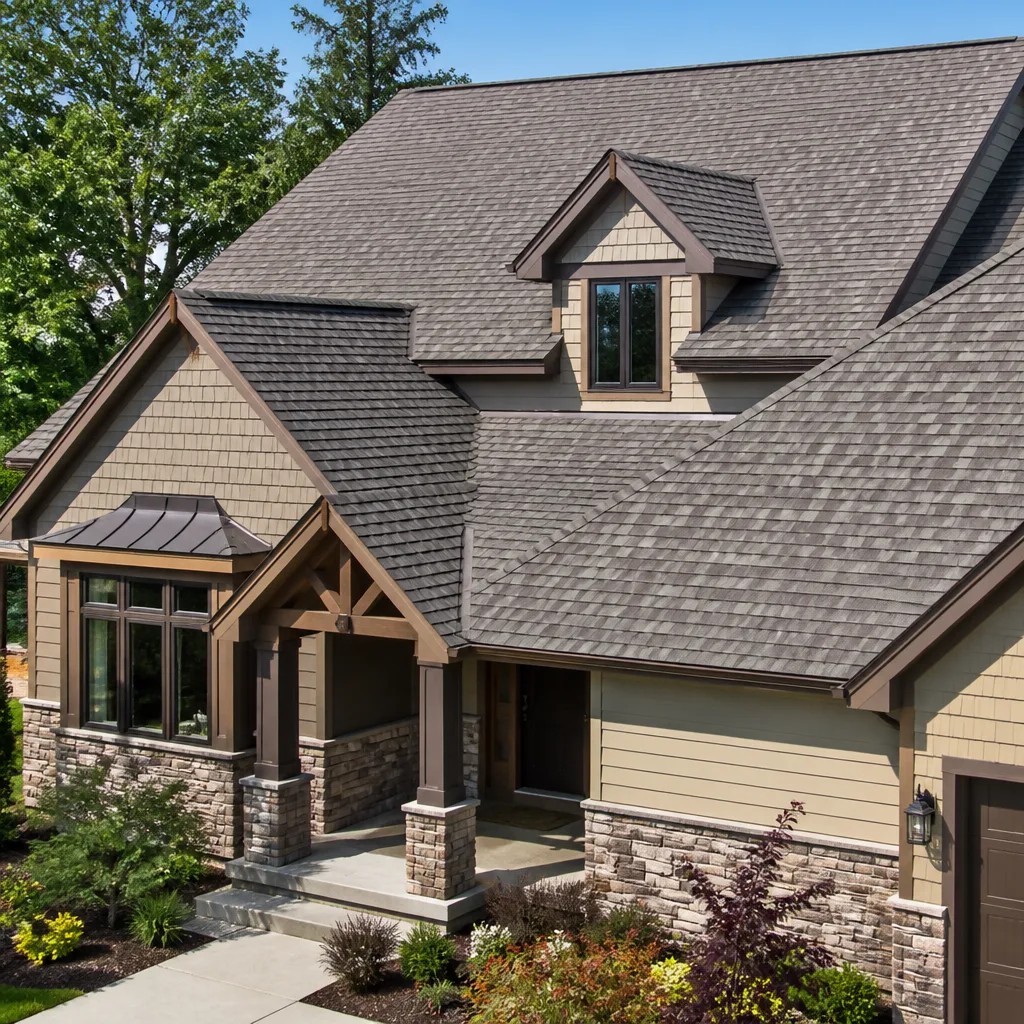 Owens Corning
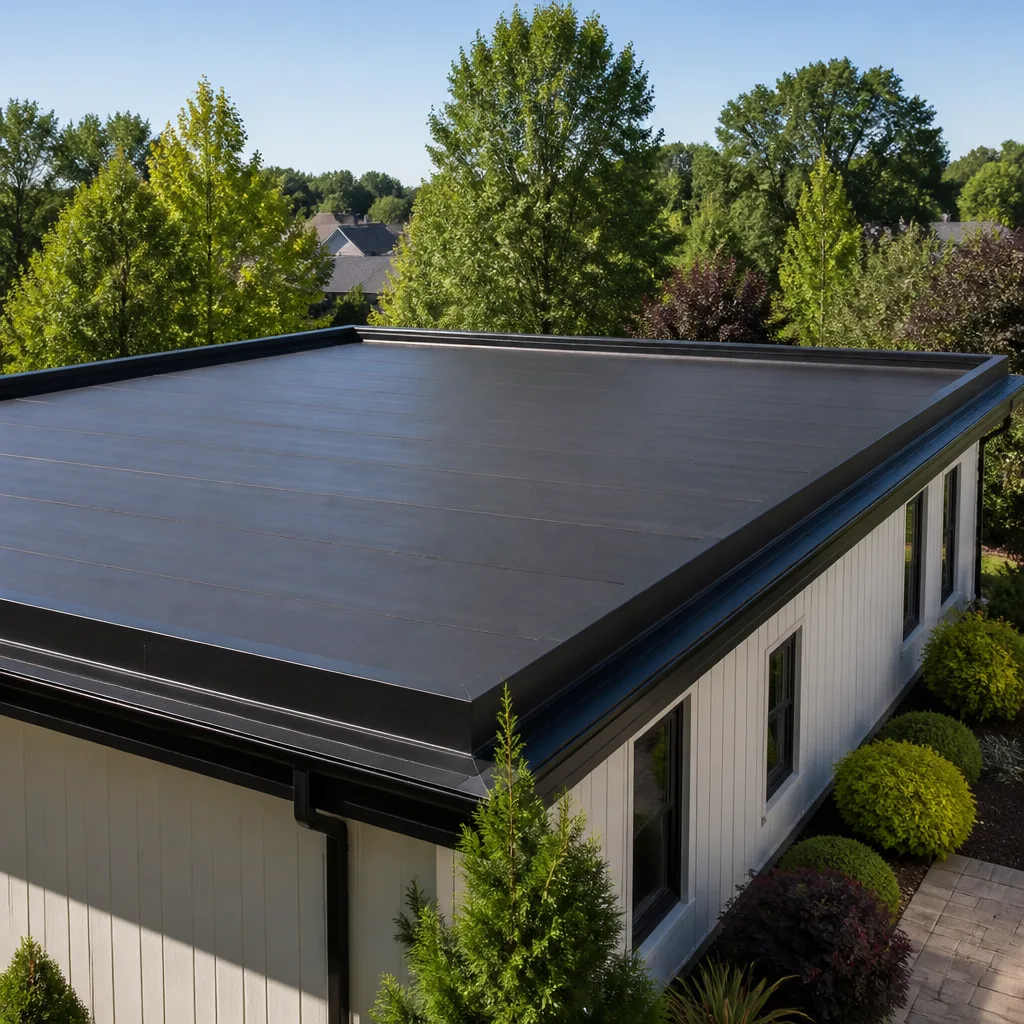 Flat & low-slope
Free roof inspection with deck photos before we talk money - GAF and Owens Corning certified installation
DIY vs Professional Roofing: The Woodland Hills Homeowner’s Decision Guide
Roughly one in four California homeowners who attempt a major roof repair themselves end up hiring a professional to redo the work within eighteen months. The reason rarely has anything to do with shoddy effort. It usually comes down to how Woodland Hills sits inside Los Angeles County’s building code framework, where an owner-builder permit carries liability provisions that most weekend how-to videos never mention. This guide will walk you through the legal, financial, and practical reality of doing your own roofwork versus hiring a licensed contractor so you can make a decision that won’t come back to bite you in escrow or at a future insurance claim.
Quick Answer
DIY roofing in Woodland Hills is legally possible for minor repairs like single-section patching and flashing work, but any project that disturbs the roof deck, involves structural framing, or exceeds a single contiguous 10-by-10-foot area triggers California’s owner-builder permit requirements and La County inspection protocols. Once you pull that permit as an owner-builder, you personally carry the liability for code compliance, and your homeowner’s insurance may deny a future claim if the work fails inspection. For most Woodland Hills homes, professional roofing makes more financial and legal sense than DIY once you account for tools, waste, permits, and the cost of a professional fix.
Styles & brands we work with
Table of Contents
- What California Law Actually Says About DIY Roofing
- The Woodland Hills Factors That Make DIY Roofing Harder Than It Looks
- The Real Cost Comparison: DIY vs Professional in Woodland Hills
- What DIY Can Actually Handle in Woodland Hills
- How Liability Works When You DIY: Insurance, Permits, and Resale
- How to Vet a Professional So It Feels Like a Defined Transaction
- Common Mistakes to Avoid
- When to Call a Professional
- Frequently Asked Questions
What California Law Actually Says About DIY Roofing
California’s Business and Professions Code allows a homeowner to act as their own contractor for work on their primary residence. That means you do not need a roofing license to reroof your own house in Woodland Hills. What you do need is an owner-builder permit from the Los Angeles Department of Building and Safety, and that permit comes with a disclosure form you must sign. The form is not a formality. It states in plain language that you, not a licensed contractor, are responsible for ensuring the work meets California Building Code, Title 24 energy standards, and any local fire-zone requirements. If the work fails inspection, you are liable for corrections. If the work later causes damage to a neighbor’s property, you carry the personal exposure.
There is also a practical restriction many Woodland Hills homeowners miss: the owner-builder exemption applies to work on the structure you live in. If you rent out the house, or if it is a multi-family property with more than two units, the exemption narrows or disappears entirely. And if you plan to sell the home within a few years, the seller’s disclosure form asks specifically about unpermitted or owner-builder work. You must disclose it. Failing to do so is fraud, and California courts treat it that way.
In our experience, the homeowners who run into trouble are not the ones who skip the research. They are the ones who read a national DIY guide that does not account for Los Angeles County’s specific permit trigger points. For example, replacing a few damaged shingles on a single slope does not require a permit in most cases. Removing an entire roof surface down to the sheathing absolutely does. The line sits at whether you are repairing or re-roofing, and LA County code draws that line at 100 square feet of contiguous surface area. Go beyond that, and you are in permit territory, which means you are also in inspection territory, which means you are now personally accountable for meeting Title 24 cool-roof requirements if your home falls under a fire zone classification.
The Woodland Hills Factors That Make DIY Roofing Harder Than It Looks
Woodland Hills has a specific set of conditions that make roofwork more demanding than the national average. The first is pitch. Many homes in the neighborhoods south of Ventura Boulevard, especially older builds from the 1950s and 1960s, feature steep roof lines that require fall protection equipment, roof jacks, and a working knowledge of how to stage materials without sliding. A 6/12 pitch might feel manageable in a video. The 8/12 and 9/12 pitches common in the hills around Topanga Canyon are a different animal entirely, and the safety risk is real. Falls from roofs remain one of the leading causes of homeowner injury in California, and a hospital visit will erase any DIY savings instantly.
The second factor is fire zone classification. A significant portion of Woodland Hills sits in a designated Wildland-Urban Interface (WUI) zone, which triggers specific requirements for roof covering materials. If your home falls in that boundary, any new roofing installed must meet a minimum Class A fire rating. That means not just picking the right shingle, but ensuring the full assembly, including the underlayment and any vents, meets the standard. A DIYer who installs a Class A shingle over a non-rated underlayment has created a code violation without realizing it.
The third factor is Title 24, California’s energy code. When you replace roofing in a fire zone or when you exceed that 100-square-foot threshold, the county requires the new roof surface to meet cool-roof reflectance standards unless a specific exemption applies. Most national DIY guides never mention Title 24, and that omission is exactly the kind of thing that causes a failed inspection in Woodland Hills.
None of this means a capable homeowner cannot do good work. It means the bar for “good work” in Woodland Hills is set by Los Angeles County building code, not by a general contractor in Kansas, and that bar is meaningfully higher than the DIY content machine tends to acknowledge.
The Real Cost Comparison: DIY vs Professional in Woodland Hills
The honest math rarely favors DIY once you include the costs that most comparisons leave out. Here is what a typical single-slope roof repair actually costs in Woodland Hills:
| Cost Item | DIY (Typical) | Professional (Typical) |
|---|---|---|
| Materials (shingles, underlayment, nails, flashing) | $180 – $420 | $250 – $450 (included in quote) |
| Tool rental (nail gun, compressor, ladder, harness) | $90 – $140 per day | $0 |
| Material waste (over-order/under-order) | $35 – $80 | $0 (quote is fixed) |
| Permit and inspection fees (if applicable) | $180 – $450 | $200 – $500 (handled by contractor) |
| Disposal fees for old materials | $80 – $150 | Included |
| Cost to fix DIY errors professionally | $400 – $1,800 | $0 |
For a small patch job under 100 square feet, DIY can absolutely be cheaper, sometimes by $300 to $500. But once you cross into permit territory, the savings shrink fast. The permit fee, the tool rental, the extra material you will inevitably waste, and your own time all stack against you. And if the work does not pass inspection, the professional fix typically costs more than the original professional quote would have, because now the contractor is correcting someone else’s mistakes rather than starting fresh. We have seen this play out in Woodland Hills enough times to know the pattern: a homeowner saves $800 on a DIY re-roof, then pays $2,400 to have it torn off and redone after a failed inspection.
The real question is not whether you can do the work. It is whether the savings justify the risk you are taking on in exchange for them. For most homeowners, particularly on homes valued above the Woodland Hills median, the answer is no.
What DIY Can Actually Handle in Woodland Hills
There is a real and legitimate set of roofwork tasks that a capable homeowner can do safely and legally in Woodland Hills. These are the exceptions to the “always hire a pro” rule, and they are worth naming specifically.
- Minor flashing repair around a single vent or pipe. This is the classic first-time DIY roofing project. The work surface is small, the materials are inexpensive, and the risk of water intrusion is contained. Use roofing cement and a replacement flashing boot, and the job is done in under an hour.
- Single-section shingle replacement under 100 square feet. If a windstorm knocked a few shingles loose on one slope, you can replace them without a permit. The key is matching the shingle brand and color. If you cannot find an exact match, do not improvise with a close color. A mismatched roofing repair will get flagged during a future inspection or a home sale.
- Gutter cleaning and minor gutter re-securing. This work does not touch the roof surface itself, which means no permit triggers. It is a safe and genuinely useful DIY task, provided you use a proper extension ladder with a stabilizer.
- Debris removal and roof inspection. Removing leaves, branches, and other buildup from valleys and drains is important maintenance, especially after the Santa Ana winds that hit Woodland Hills in the fall. Just do not walk on the roof if the pitch is steep. Use a drone or a camera to inspect from a safe position.
Everything beyond these four categories, including full roof replacement, structural repair, re-decking, or any work in a fire zone that requires a Class A rating, should go through a licensed contractor. The dividing line is not your skill level. It is the permit threshold, and once you cross it, the stakes change.
How Liability Works When You DIY: Insurance, Permits, and Resale
This is the section most national DIY guides skip, and it is the most important one for a Woodland Hills homeowner to understand. When you hire a licensed contractor, that contractor carries their own liability insurance and workers’ compensation coverage. If a roofer falls off your roof, their insurance handles it. If the work later fails and causes water damage, their liability policy is part of the conversation.
When you do the work yourself, you carry all of that exposure personally. Your homeowner’s insurance policy covers sudden, accidental damage. It does not cover damage caused by defective workmanship, and the insurance company will look specifically at whether the work was permitted and inspected. If a DIY roof repair fails during a rainstorm and water damages your interior, the insurer may deny the claim on the grounds that the damage resulted from unpermitted work. That is not a hypothetical scenario. California insurers have become significantly more aggressive about enforcing this distinction since the wildfire crisis began. A Woodland Hills home in a fire zone with unpermitted DIY roofwork can face a non-renewal just on that basis alone.
Resale liability works the same way. The California transfer disclosure statement you sign when selling a home asks, in section C, whether you are aware of any work performed without permits. Answering honestly places a discount on your home. Answering dishonestly creates legal exposure. Either way, the DIY savings you enjoyed years earlier come back to collect.
And then there is the owner-builder disclosure form itself. When you pull a permit as an owner-builder, the county documents that you took on the contractor’s role. If the work later fails and a future buyer sues over a roofing defect, that form is evidence that you, personally, were the responsible party for code compliance. A licensed contractor’s insurance absorbs that risk. Your personal assets do not.
How to Vet a Professional So It Feels Like a Defined Transaction
Half the reason homeowners consider DIY in the first place is that hiring a roofer feels like writing a blank check. The industry has earned that reputation. But it is possible to hire a Woodland Hills roofer in a way that feels more like a defined transaction than a gamble, and it comes down to what you demand in writing before work begins-starting with our How to Hire a Roofing Contractor in Woodland Hills: A Step-by-Step Guide.
- Get a written price before any work starts. This should be a line-item quote that lists materials, labor, and any permit or disposal fees. If a roofer will not put the number in writing, walk. A written price is the single clearest signal of how a company operates. At Crestview Roofing Co Woodland Hills home, every job gets a written price before any work begins, no exceptions.
- Ask what the guarantee covers and for how long. A legitimate Woodland Hills roofer should offer a workmanship warranty in writing. Look for at least one year of coverage, and make sure you understand what “failure” means under the terms. Does it include a free second visit? Does it cover the materials or just the labor? If the answer is vague, keep looking.
- Confirm who will actually be on your roof. Background-checked, uniformed technicians who arrive with a name and a photo prove the company has a process. A crew of unnamed unknowns is a red flag. You should know exactly who is coming to your home before they pull into your driveway.
- Demand documentation. Before-and-after photos of the work are standard practice at any reputable roofing company, and they protect you in two directions. They prove the work was done, and they create a record of the roof’s condition at the time of the job. If a leak appears six months later, the photos help establish whether it relates to the repair or a different issue.
- Ask about material brands. A professional roofer should be able to tell you which manufacturers they work with and why. Companies that install GAF, CertainTeed, Owens Corning, or IKO products are putting manufacturer-backed material warranties behind their work, which adds a second layer of protection beyond the workmanship guarantee.
For homeowners who want a more thorough read on the decision between repairing and replacing, Roof Repair in Woodland Hills and Roof Replacement in Woodland Hills walk through the specific factors that make each choice the right one.
Common Mistakes to Avoid
- Assuming a permit is optional if the work is small. In Los Angeles County, the 100-square-foot rule is the trigger, not the “it was just a few shingles” defense. Measure the area before you decide you do not need a permit. Guessing wrong creates a disclosure problem later.
- Matching shingles by color alone. Shingle brands have different profiles, thicknesses, and exposure dimensions. A GAF shingle in “Charcoal” is not interchangeable with a CertainTeed shingle in a similar shade. Mismatched materials are a common point of failure on DIY repairs in Woodland Hills.
- Ignoring underlayment requirements. In fire zones, the underlayment matters just as much as the shingle above it. A Class A shingle over a non-compliant underlayment does not meet code, no matter how good the shingle is.
- Doing steep-pitch work without fall protection. A 9/12 pitch roof is not a place to learn. If you cannot comfortably stand on the surface, you should not be doing the work. The hospital bill will exceed the cost of hiring a professional by an order of magnitude.
- Skipping the second visit. Roofing work can look fine from the ground while small problems develop underneath. A professional contractor who offers a free second visit within the guarantee period is worth the premium. We include a free second visit in our 365-day guarantee for exactly this reason.
- Underestimating disposal. Old roofing materials are heavy and awkward to haul. If you do not have a truck and a dump plan, disposal costs will eat into DIY savings more than you expect.
When to Call a Professional
Any project that crosses the 100-square-foot threshold, touches the roof deck, involves structural framing, or falls within a fire zone should go to a licensed contractor. So should any steep-pitch work, any job involving two or more roof slopes, and any repair where water has already entered the home. The moment interior damage is visible, you are no longer in a DIY situation. You are in a water-intrusion situation, and delay makes it worse. Roof Installation in Woodland Hills covers the full-installation process for homeowners who need more than a repair. Crestview Roofing Co Woodland Hills offers free estimates in Woodland Hills. Call (650) 456-5615 and a live person will answer, day or night.
Frequently Asked Questions
No, not for a repair under 100 contiguous square feet on a single slope. Once the area exceeds that threshold, or if you remove the roof surface down to the sheathing, a permit from the Los Angeles Department of Building and Safety is required, and the work must pass inspection. If you are unsure which category your project falls into, call (650) 456-5615 and we will tell you straight.
Yes, California allows owner-builder construction on your primary residence, including roofing. But the moment you pull that permit, you sign a disclosure accepting personal liability for code compliance, and your insurance company may treat a future claim differently if the work was not professionally installed. The legal right exists. The financial protection often does not.
Most standard repairs in Woodland Hills run between $300 and $850 depending on the type and extent of the damage, with larger repairs and replacements running higher; see our Roofing Cost Breakdown: The Woodland Hills Homeowner’s Reference for 2026 for full pricing details. A written quote before work starts is the best way to know exactly what you are spending before you commit. Estimates are free.
Possibly not. California insurers commonly deny claims for water damage that results from unpermitted or defective workmanship, especially in fire zone areas where roof standards are stricter. The insurance standard is sudden and accidental damage, not gradual failure from a repair that did not hold.
Most standard repairs finish in one day. Larger repairs may take two to three days depending on scope, and full replacements typically run five to ten days. The time depends heavily on the roof’s pitch, the number of slopes, and the condition of the decking underneath.
Look for a written price before work starts, a workmanship guarantee of at least one year, background-checked technicians who arrive with a name and a photo, before-and-after photo documentation, and a live person who answers the phone. If a roofer cannot check all five boxes, the risk of a blank-check job goes up.
The Bottom Line
Most Woodland Hills homeowners who dig into the actual numbers arrive at the same conclusion. DIY roofing is a real option for small, contained repairs under the permit threshold. It is a poor option for anything larger. The legal exposure, the insurance risk, the resale complications, and the specific demands of Woodland Hills roofs in fire zones combine to make professional work the better financial decision for the vast majority of projects. The smartest thing you can do is get a real quote, compare it against your all-in DIY estimate, and decide with numbers in front of you rather than a YouTube tutorial playing in the background. For ongoing care tips, check our Roof Repair Maintenance Checklist for Woodland Hills Homeowners.
Written by Dylan Pace, Owner at Crestview Roofing Co Woodland Hills, serving Woodland Hills since 2000.
See the difference
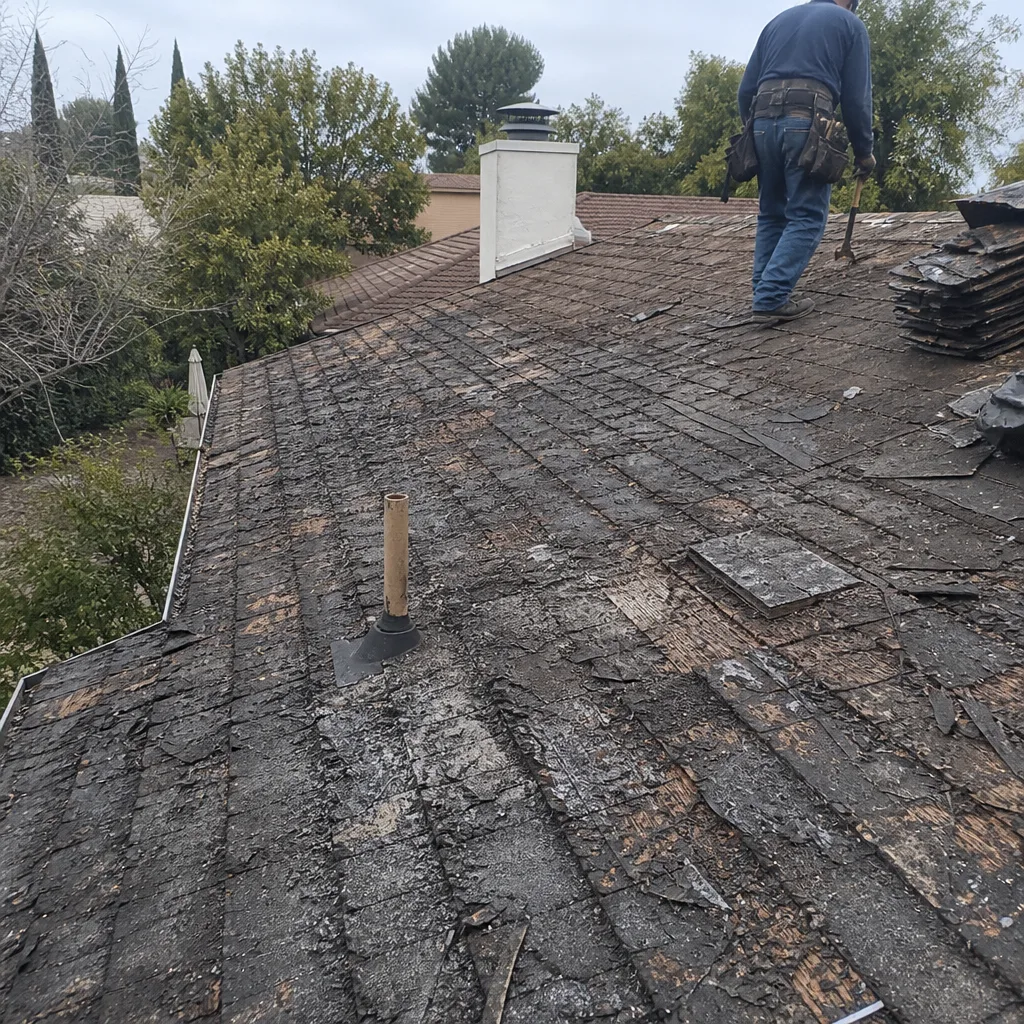 Before
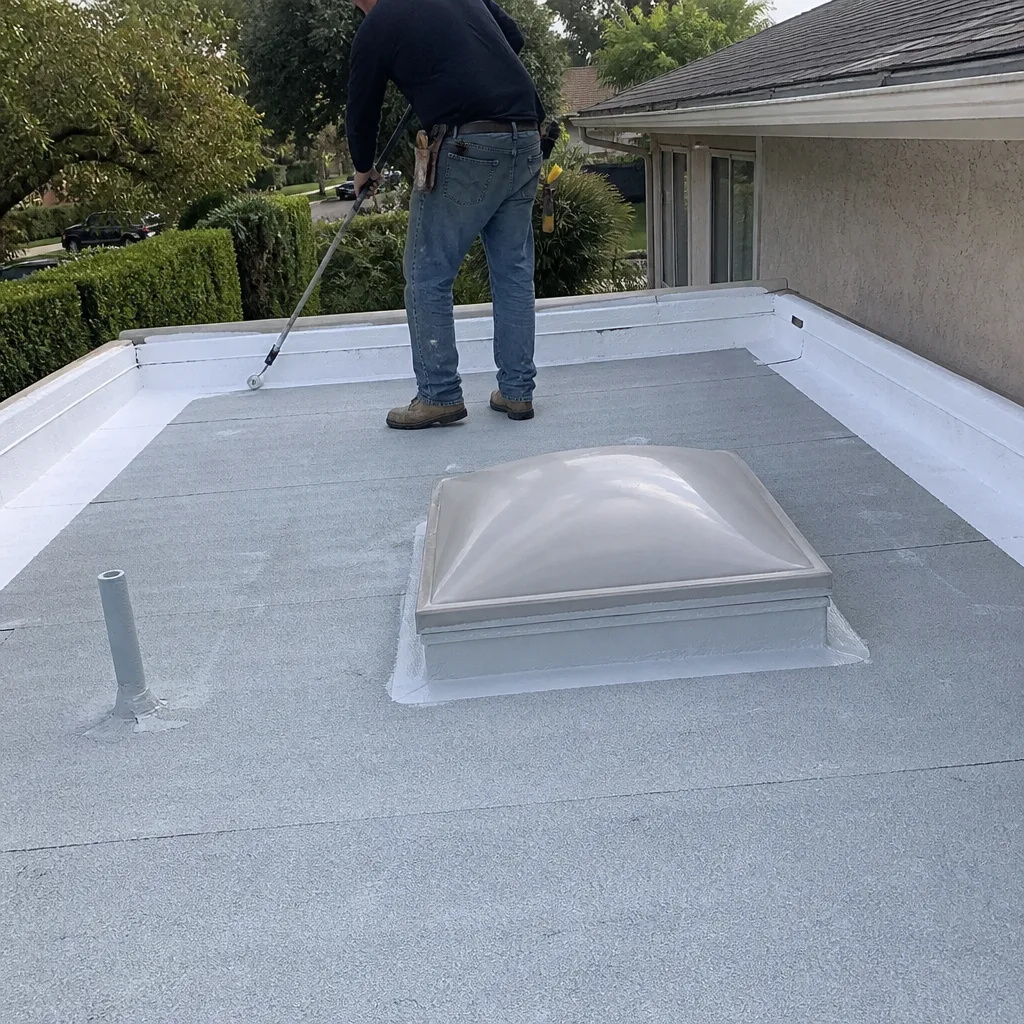 After
After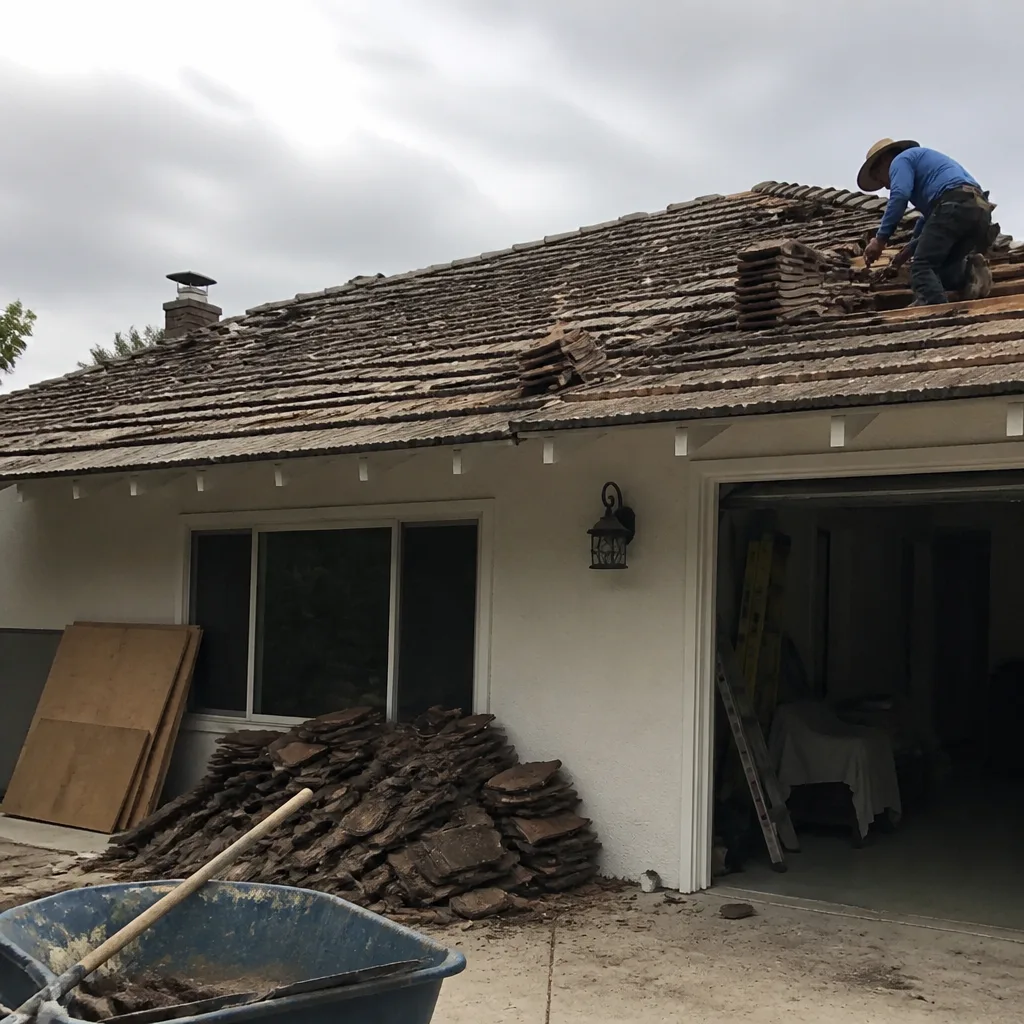 Before
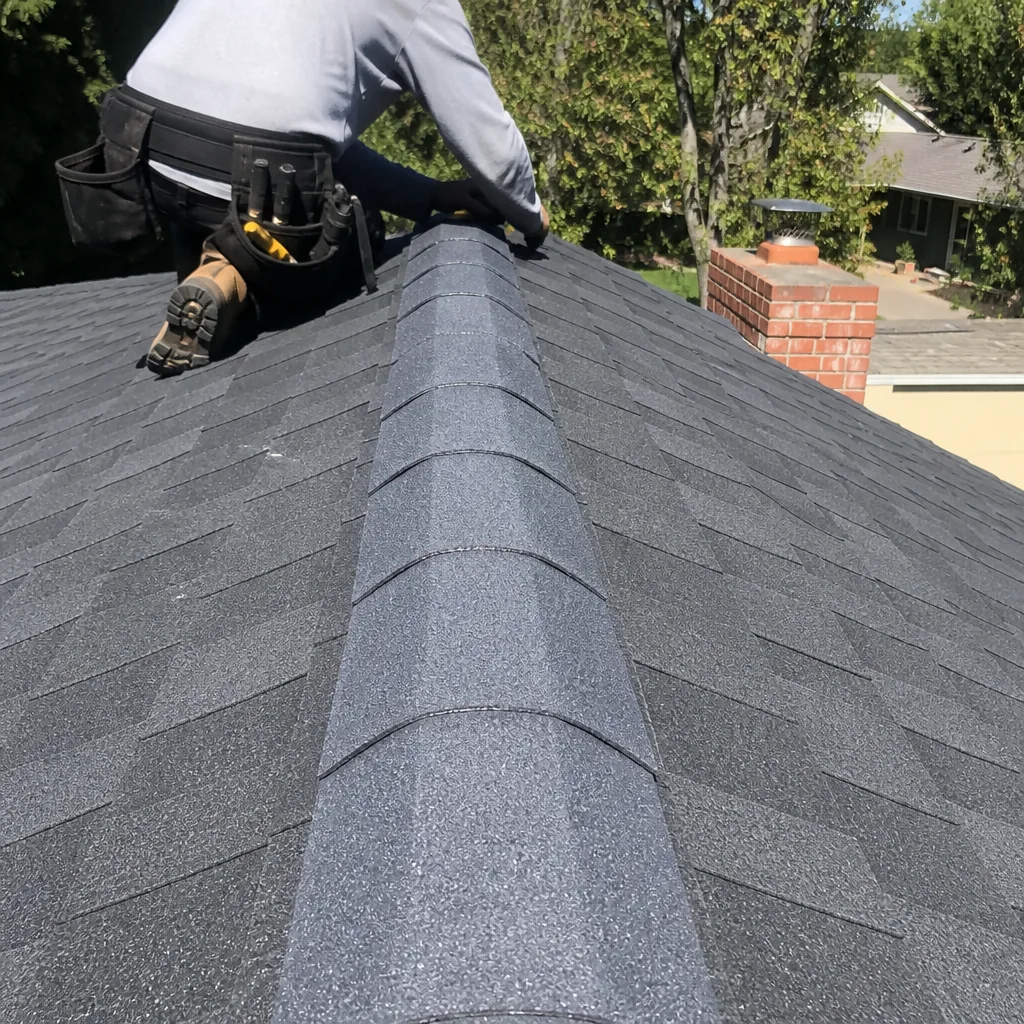 After
After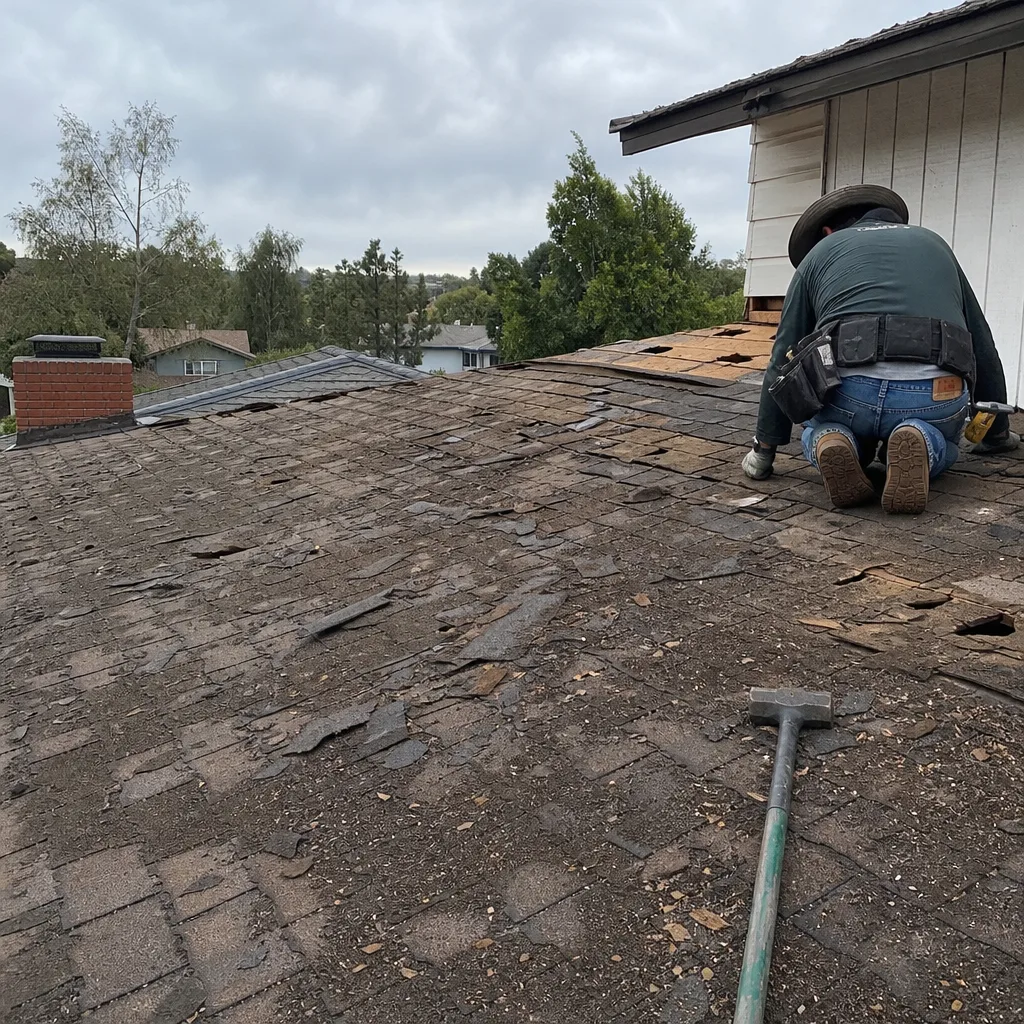 Before
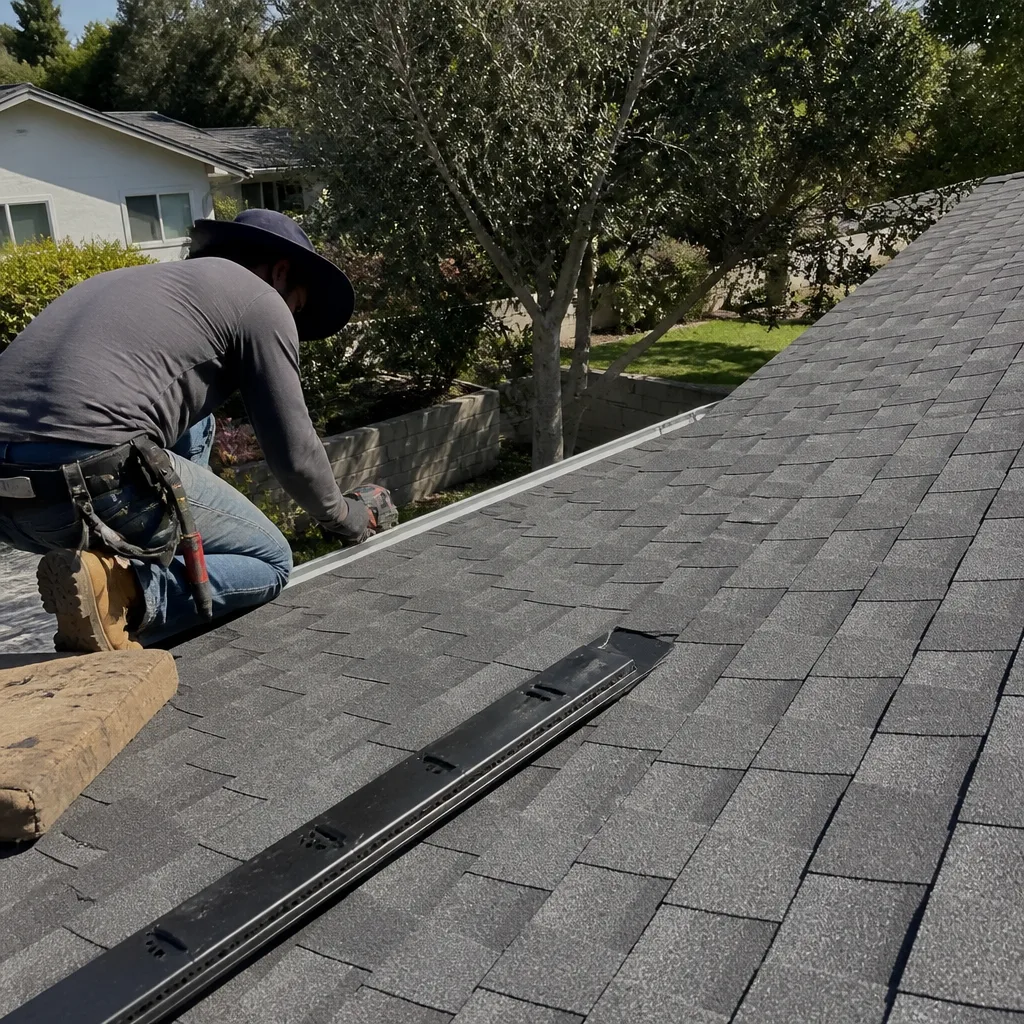 After
After